How Social Media Has Quietly Changed Car Accident Claims
Social platforms have reshaped nearly every corner of daily life, and car accident claims are no exception. From dashcam clips going viral to insurance adjusters quietly reviewing a claimant’s public posts, social media has become an unavoidable factor in how these claims actually get handled.
What Adjusters Actually Look for on Social Platforms
Insurance adjusters routinely check claimants’ public social media activity during an investigation, looking for anything that contradicts a claimed injury, a photo showing physical activity inconsistent with reported limitations, or a post with an inadvertent admission about the accident itself. This practice is legal and common enough that claimants should assume it’s happening in any disputed claim.
The Post You Don’t Think Twice About Can Matter
A celebratory post about a good day, a photo from an activity that looks more strenuous than it actually was, even a joking comment about the accident, can all get pulled out of context and used to challenge a claim’s credibility. This doesn’t mean living in fear of every post, but it does mean exercising real caution while a claim is active.
Privacy Settings Provide Less Protection Than People Assume
Even with strict privacy settings, content can surface through tagged photos, mutual connections, or platform data sharing practices that most users don’t fully understand. Guidance from the Federal Trade Commission outlines general privacy protections relevant to how personal data gets collected and shared, though these protections don’t eliminate the practical risk of relevant content surfacing during a claims investigation.
Dashcam and Accident Footage Cuts Both Ways
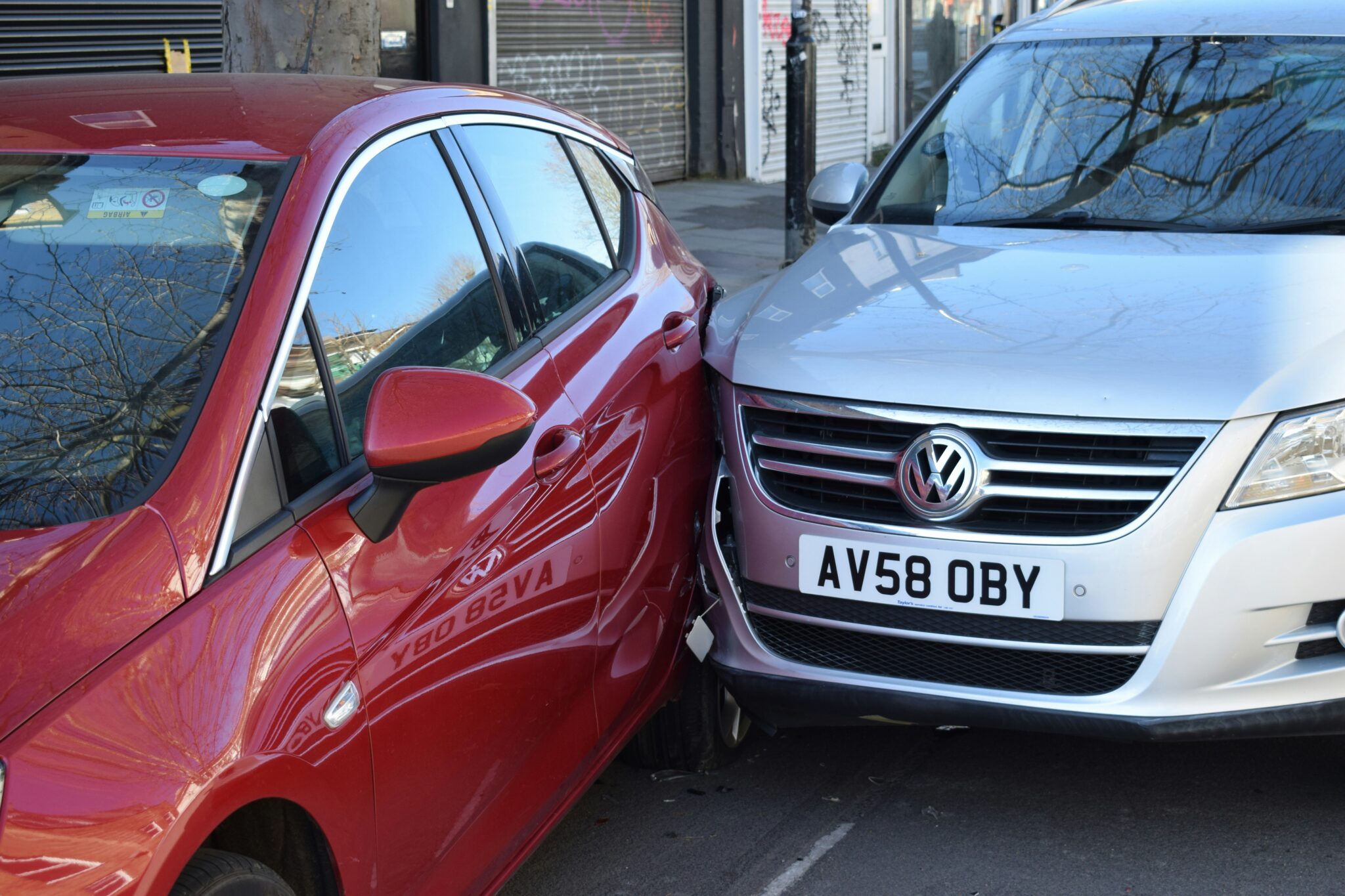
The same viral dashcam culture that’s made accident footage a popular content category also means real evidence sometimes gets shared publicly before a claim has even been filed. This can strengthen a case when the footage clearly supports your account, or complicate it if shared carelessly before consulting anyone about the claim itself.
How Platform Design Standards Intersect With This Issue
Technical standards for how platforms handle and display user-generated content, referenced in part through work from the World Wide Web Consortium, shape how easily content can be found, shared, and referenced later- technical details that have real practical implications for anyone whose accident-related content ends up circulating online.
A Simple Rule Worth Following During an Active Claim
The safest approach during an active claim is treating social media as effectively paused for anything accident-related, and exercising general caution about posting anything that could be taken out of context regardless of topic. This isn’t paranoia; it’s a practical response to how claims investigations actually work in the current media environment.
What Brands and Content Creators Should Understand Too
Beyond individual claimants, brands and creators sharing accident-related content for engagement carry their own responsibility to handle real incidents with care, since content involving actual injured people deserves more thoughtful treatment than a purely engagement-optimized approach would provide.
When Social Media Content Becomes Part of a Legal Dispute
Explaining Digital Nuance Requires Real Fluency, Not Just Translation
A sarcastic comment, a joke taken out of context, cultural idioms that don’t translate literally- these nuances are exactly what an insurer might misread from a social post, and they’re exactly what’s hardest to clarify through an interpreter working secondhand. Direct, fluent communication in the claimant’s own language is what actually resolves this kind of misunderstanding cleanly.
This is exactly where having a legal team that communicates clearly, in whatever language you’re most comfortable in, matters most. Misunderstandings about a social post are hard enough to untangle in your first language, let alone through a translated back and forth.
If social media activity becomes a point of contention in your claim, having “El equipo legal bilingüe de Abogado de Accidentes en Houston” review how that content is being used, or misused, protects you from having a casual post derail a legitimate claim.
How Long This Scrutiny Actually Lasts
Social media monitoring during a claim typically continues throughout the entire active investigation and negotiation period, not just the initial days after an accident. Maintaining the same level of caution for the full duration of an active claim, rather than relaxing after the first few weeks, protects you throughout the process.
What to Do If You’ve Already Posted Something Concerning
If you realize after the fact that you’ve posted something that could be misconstrued, deleting it isn’t necessarily the right move, since deletion itself can sometimes look suspicious if discovered later. Discussing the specific situation with whoever is helping you with your claim before taking any action produces a better outcome than an impulsive deletion.
The Broader Digital Footprint Beyond Social Media
Social media represents just one part of a much broader digital footprint that can factor into a claim: search history, fitness app data, even smart home device logs in some cases. Understanding that this broader digital trail exists helps put social media-specific caution into a fuller context of general digital awareness during an active claim.
The platforms will keep evolving, and so will how claims investigations use them. Staying broadly aware of this reality serves you better than trying to memorize every specific tactic an adjuster might use.
A Practical Habit Worth Building Starting Today
Consider a brief digital pause during any period of active legal or insurance activity, not permanent, just heightened awareness for the specific duration a claim remains open. This single habit addresses the majority of risk described throughout this piece without requiring dramatic lifestyle changes.
A little digital discipline during the specific weeks or months a claim is active protects far more than it costs in temporary inconvenience.
Final Practical Note
Keep this general awareness in the back of your mind as ordinary practice, not just during an active claim. It’s a reasonable habit for anyone navigating an increasingly public digital life, claim or no claim.
Closing Thought
Social media isn’t going away, and neither is its role in how accident claims get investigated. Understanding this reality and adjusting your online behavior accordingly during an active claim protects you from an entirely avoidable complication.
This article has been published in accordance with Socialnomics‘ disclosure policy.