Using Credit Cards to Streamline Recurring Business Subscriptions
Many small businesses rely on a growing number of subscriptions, including software, tools, and services that keep operations running. These recurring expenses are often essential, but they can also become difficult to manage as they increase in number.
Tracking these charges manually can take time and may lead to gaps in visibility. Over time, it becomes harder to know exactly what you are paying for and when. A credit card for small business can be used as a central payment method for subscriptions. When used thoughtfully, they can help organize and monitor recurring expenses more effectively.
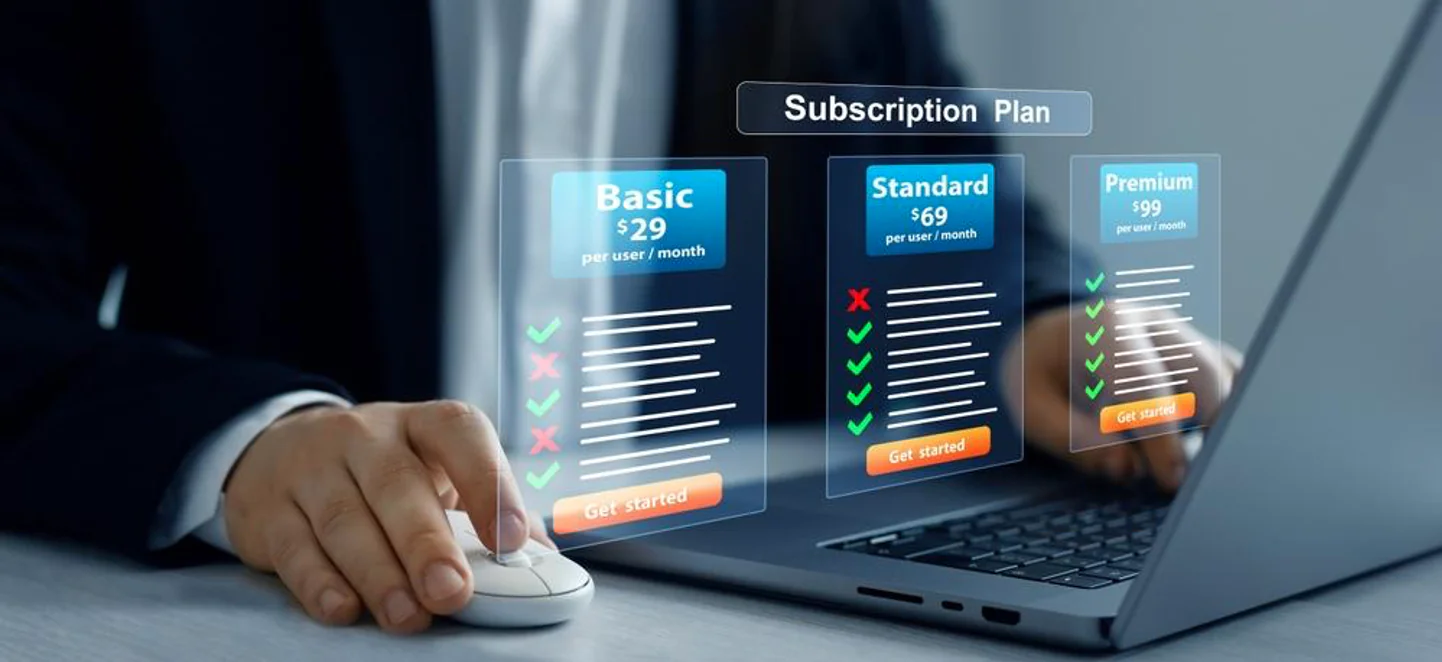 Source: Mer_Studio/Shutterstock.com
The Role of Subscriptions in Modern Business Operations
Subscriptions now support many core business functions, including accounting, marketing, communication, and project management. These tools are often billed on a monthly or annual basis, making them predictable but ongoing expenses. As a result, subscription costs are typically spread across multiple vendors. Without a clear system in place, it can be easy to lose track of how much is being spent in total.
This is especially important because small, recurring charges can add up over time. Maintaining visibility into these expenses helps ensure your financial records remain accurate and your costs stay under control.
How Credit Cards Can Support Subscription Management
Using a credit card for subscriptions can help centralize these payments into one place. Instead of managing multiple payment methods, charges are grouped within a single account or a small number of accounts. Each transaction creates a record, providing a running history of active subscriptions and payment timing. This can make it easier to review expenses and identify patterns.
Many credit cards also connect with accounting tools, allowing transactions to be imported automatically. This can reduce manual data entry and support more consistent categorization. Using a consistent payment method does not eliminate the need for oversight, but it can simplify how subscription data is captured and reviewed.
Benefits of Consolidating Subscriptions on A Credit Card
When subscriptions are consolidated onto a credit card, visibility often improves. Having all recurring expenses in one place can make it easier to understand how much your business is spending on tools and services. This setup can also help identify duplicate, unused, or forgotten subscriptions. When charges are scattered across different accounts, these issues are harder to spot.
Monthly reviews may become more straightforward as well. Instead of checking multiple payment sources, you can focus on a single statement or system. In addition, managing fewer payment methods can reduce administrative complexity. This can be especially helpful as the number of subscriptions increases.
Potential Challenges to Keep in Mind
While credit cards can help organize subscription payments, they do not solve every challenge. Automatic renewals can continue without regular review, which may lead to unnecessary expenses if tools are no longer needed. Without a review process, it is easy for these charges to go unnoticed.
Shared card usage can also create confusion. If multiple people use the same card, it may not be immediately clear who is responsible for a specific subscription. There is also the risk of service interruptions. If a card expires or needs to be updated, subscriptions tied to that card may fail to renew.
Finally, relying only on card statements without proper categorization can limit financial clarity. Transaction descriptions alone may not provide enough detail for accurate reporting.
Best Practices for Managing Subscriptions with A Credit Card
A structured approach can help you get more value from using a credit card for subscriptions. Using a dedicated card for recurring expenses can improve visibility. Separating subscriptions from other spending makes it easier to review and manage them. Maintaining a simple subscription list can also be helpful. Tracking active services, costs, and renewal dates provides an additional layer of oversight beyond your card statement.
Regular reviews are important. Looking at subscription charges on a monthly or quarterly basis can help identify services that are no longer needed or are being duplicated. Consistent categorization within your accounting system improves reporting accuracy. This makes it easier to understand where your money is going and how subscription costs are changing over time.
Setting reminders for renewals or pricing changes can help you stay ahead of upcoming charges. This allows you to make adjustments before costs increase or contracts renew. Assigning ownership for each subscription can also improve accountability. When someone is responsible for evaluating a tool’s value, it becomes easier to decide whether it should be kept or canceled.

Tools and Systems That Can Help
Several types of tools can support subscription management alongside credit cards. Accounting software that syncs with credit card transactions can help centralize and categorize expenses. Subscription management tools can provide additional visibility by tracking recurring charges across vendors.
Expense management platforms may offer features that help monitor team-based spending, while simple calendar or reminder systems can be used to track renewal dates and contract terms. The right combination depends on how many subscriptions you manage and how detailed your tracking needs to be.
Final Thoughts
Credit cards can be a practical way to organize and track recurring subscription expenses. They provide a centralized record of payments and can simplify how transactions are captured. However, the real benefit comes from combining centralized payments with regular review and clear processes. Without oversight, even well-organized systems can lose effectiveness over time.
With a thoughtful approach, businesses can maintain better visibility into subscriptions while reducing unnecessary costs and keeping operations more manageable.
This article has been published in accordance with Socialnomics disclosure policy.