How Digital Tools Are Reshaping Admin Workflows in U.S. Home-Service Trades
The time when a truck and a clipboard were all you needed in home services is, unfortunately, a thing of the past. Independent contractors in areas like plumbing, residential cleaning, and lawn care can no longer keep up with their manual logs, carbon-copy receipts, and physical planners – it’s an operational disadvantage against competition, and compliance standards have also risen.
As a result, all trades are becoming digitized, and the entire business can be run from a smartphone.

The End of Admin As We Know It
Admin being a bottleneck is a clear red flag – revenue opportunities are being reduced at the expense of paperwork. The self-employed in the US work 6 hours a week more on average than full-time employees, and it’s fair to say that’s mostly the extra admin.
The result has been a movement to digital transformation in contractor workflows. Mobile-first tools are allowing tradespeople to generate professional documents there and then, on-site, and leave no midnight homework for themselves. More than the time itself, it lets people mentally clock out when they get home.
When admin is a bottleneck, it places a lower ceiling on growth– scaling becomes impossible, even when taking on staff. Automation is needed.
Streamlining Cash Flow
Cash flow is frequently stated as the number one threat to small businesses. Manual invoicing is notoriously slow, and it delays the time it takes for cash to hit your account. Digital invoice generation has radically changed the time it takes to get paid, and the speed at which the client is billed influences their urgency to pay. It also avoids the social friction of asking for money in person – when reminders are automated, it’s more transactional. Errors are reduced, and bookkeeping is centralized.
Digital Maturity and Changing Expectations
Digital maturity across the home-service sector is a very broad spectrum. While larger renovation firms often use complex ERP systems, solo operators and small teams in lawn care or cleaning are finding more success with leaner, more focused applications that prioritize simplicity. And don’t underestimate the power of professionalizing the client experience – a trading name present on communications and billing makes a world of difference.
As more people use these, more homeowners expect things like digital estimates and options when paying. Cheques are dying out, and people expect frictionless payment. There is a data legacy involved here, too, turning a messy list of past clients into searchable assets. Re-targeting them a year later for their annual chimney sweep, for example, but also having a record of an itemized estimate – it protects both parties, and keeps the regulators happy.
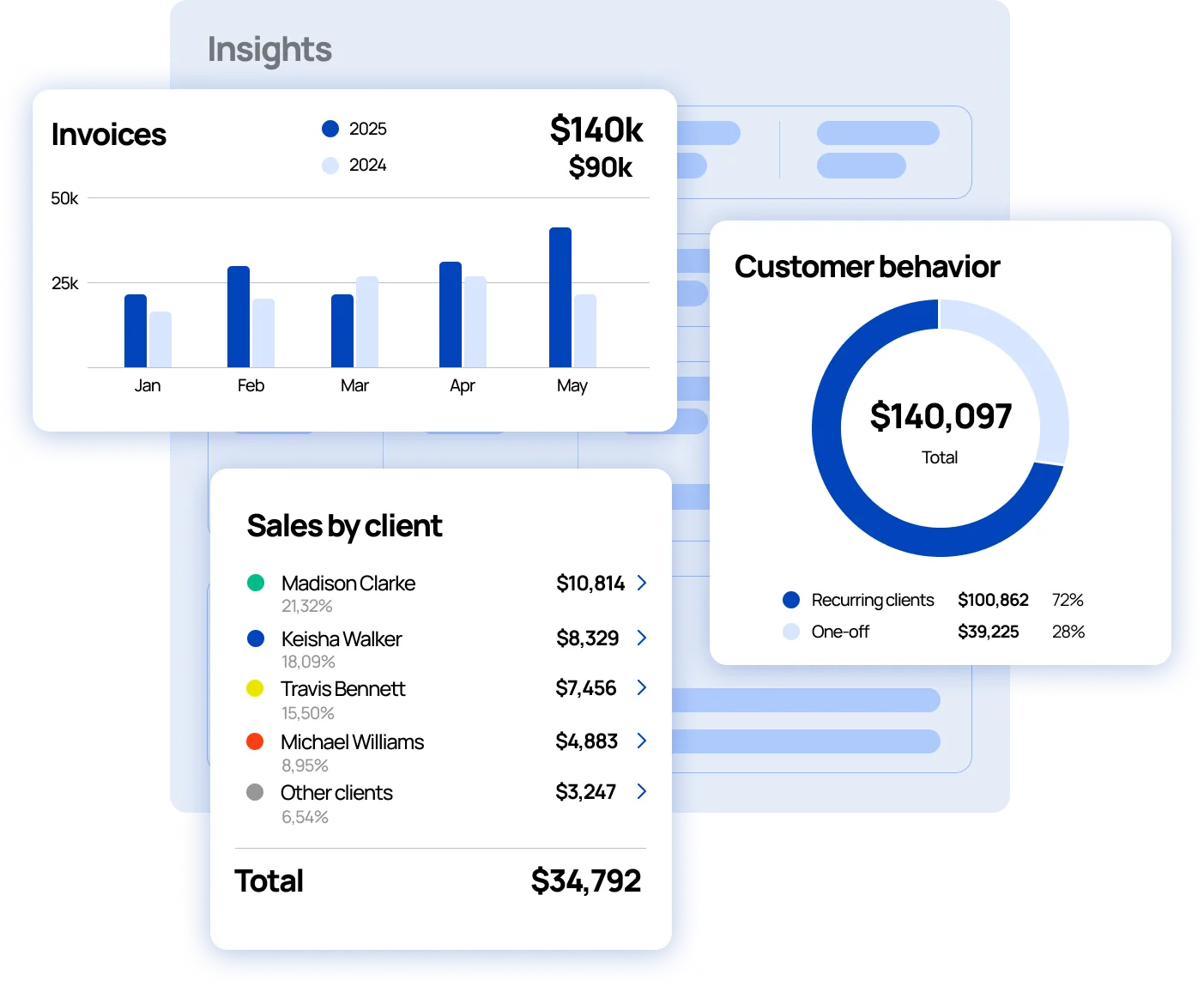
Being able to view these reports and data from a smartphone can also help with strategy. It opens our minds up to new possibilities or trends, and sometimes, because it’s a suggested feature, but other times, because we allow ourselves more time to think.
Q&A: Understanding The Digital Shift
What challenges do home-service contractors face in managing administrative work?
Contractors have to balance on-site responsibilities with admin like estimates (often for people who never go through with the purchase) and invoicing. It’s often evening work.
How is digital invoicing changing profitability in independent trades?
Digital payment tools improve cash flow by speeding up payments and reminders, as well as reducing manual errors. We also get better visibility over financial health.
What does digital maturity look like in home-service industries?
Digital maturity depends on the trade. Sometimes, paperwork is simply cultural, while other times, the size of the business will force them to use an ERP.
This article has been published in accordance with Socialnomics‘ disclosure policy.