Hibu Smart Sites vs. DIY Builders: Why 70,000+ Small Businesses Made the Switch
Small business owners face a fundamental choice when establishing their digital presence: build a website themselves using popular DIY platforms, or partner with a professional service that handles the technical complexity. More than 70,000 small businesses have chosen Hibu, a digital marketing agency that builds custom websites as part of its integrated marketing solutions.
The website-building market reflects this tension between self-service and professional assistance. While DIY builders like Wix command a 45% share of the global website builder market, and over 18 million websites use DIY platforms worldwide, a growing segment of businesses seeks alternatives that eliminate the time investment and technical learning curve.
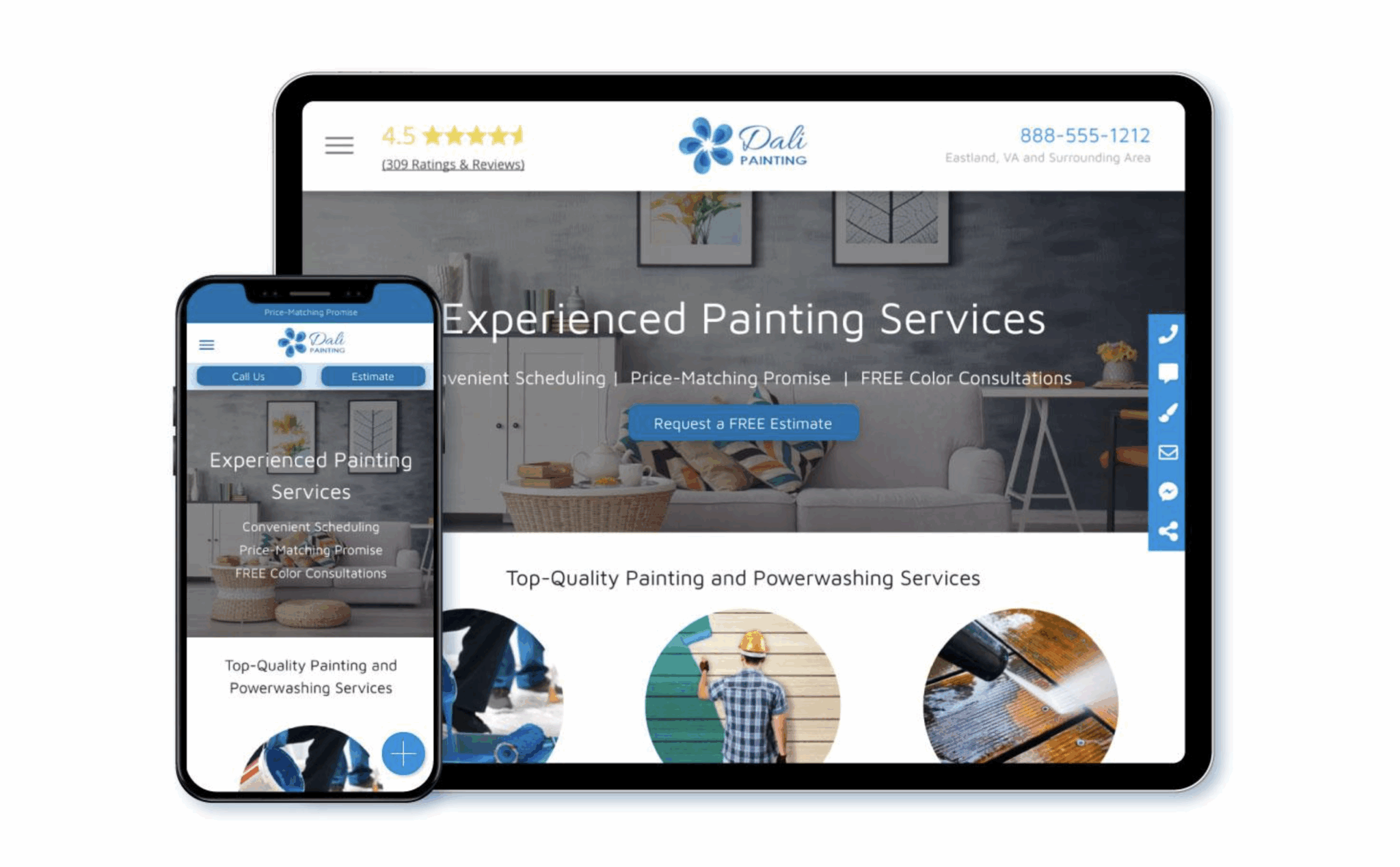
The Technical Divide That Matters
Hibu Smart Sites distinguish themselves through advanced structured data implementation that most DIY-built websites lack. According to Hibu’s website, “over 80% of websites don’t have the advanced technology that helps Smart Sites perform better than other websites.”
“Our sites give search engines much more information — so they’ll present your site, rather than your competitors’, when someone is searching (or asks) for what you do,” according to Hibu’s technical documentation. This structured data approach addresses voice search optimization, a feature that requires specialized knowledge to implement correctly through DIY builders.
The functional differences extend beyond search optimization. While DIY platforms like Wix and Squarespace offer drag-and-drop interfaces and hundreds of templates, they require business owners to make numerous design and technical decisions. Hibu’s approach involves a consultation process where professionals gather business requirements, then build the site without requiring ongoing input from the business owner.
The Time Investment Reality
DIY website builders promise quick setup, but small business owners often discover the process requires significantly more time than anticipated. Modern DIY platforms, such as Wix, now offer AI-powered tools and extensive customization options; however, these features can create decision fatigue for non-technical users.
Hibu’s professional service model eliminates the need for this time investment. After the initial consultation call, business owners receive a completed website within two to three weeks, requiring no additional input during the build process. Once the site is launched, customers can request adjustments and iterations to further customize their digital presence according to their preferences. One review noted that while this timeline may seem long compared to DIY builders, where sites can go live immediately, it actually represents faster delivery than most professional web design services.
The time savings extend beyond initial website creation. DIY websites require ongoing maintenance, security updates, and technical troubleshooting that fall entirely on the business owner. Hibu Smart Sites include hosting, security certificates, and technical support as part of the service package, removing these responsibilities from business owners.
Integration Advantages That DIY Builders Cannot Match
The most significant differentiator between Hibu and DIY builders lies in marketing integration capabilities. While platforms like Wix offer email marketing tools and basic SEO features, they cannot automatically synchronize business information across multiple online directories and social media platforms.
According to Hibu’s service description, “all of your digital marketing solutions will be in sync — your Hibu Smart Site, your Google information, your Facebook page and over 60 other key websites” with “any changes you make to your information updated everywhere that matters in just minutes.”
This synchronization addresses a common challenge for small businesses using DIY builders: maintaining consistent business information across multiple online platforms. When business owners update their information on a DIY website, they must manually update dozens of other online listings to maintain consistency. Hibu automates this process through its integrated platform.
The Professional Support Factor
DIY website builders offer knowledge bases, tutorials, and customer support; however, business owners are ultimately responsible for implementation and troubleshooting. Hibu assigns dedicated account representatives who understand specific industry challenges and local market dynamics.
Client feedback frequently mentions the value of this personalized relationship. According to client testimonials, businesses appreciate having representatives who understand their local market and can provide personalized guidance rather than relying on generic support resources.
Cost Considerations and Return on Investment
DIY website builders typically cost $16-$52 monthly for business plans, with additional costs for premium features, apps, and advertising. However, client reviews suggest the price difference often proves justified by results. Business owners report that professional expertise and integration capabilities yield better outcomes than DIY approaches, despite the higher costs associated with them.
Small businesses choosing between DIY and professional services face trade-offs between cost, time investment, technical complexity, and marketing integration. The success of Hibu’s model, with over 70,000 clients, suggests that many business owners prefer professional expertise to investing their own time in learning website building and digital marketing skills.
The choice ultimately depends on individual business priorities: DIY builders offer control and lower costs, while professional services, such as Hibu, provide expertise, integration, and time savings at a premium price point.
This article has been published in accordance with Socialnomics‘ disclosure policy.