

How Social Media Is Transforming the Way We Do Business in 2026
It’s not just for selfies and memes: Social media is now a driving force behind how companies connect to customers, create trust, and drive up revenue.
In 2026, these are the platforms (i.e., TikTok, Instagram, LinkedIn, and YouTube) driving trends that any startup – or Fortune 500 company, for that matter – can’t afford to overlook.
In this piece, we’ll take a look at how companies are using social media, why it matters more than ever, and what the most recent data is telling us about where things are going.
Social Media Stats (as of 2026)
First, a few facts: You can’t argue with the numbers.
- 5.3+ billion individuals use social media on the planet; this is more than 66% of the world’s population.
- Average duration of use per user per day is ~ 2h 30m.
- YouTube reaches more people aged 18–49 in the U.S. than any TV network.
- There are more than 2.3 billion monthly active users on Instagram.
- TikTok surpassed 1.6 billion monthly users in 2025.
- LinkedIn has recently surpassed 1 billion members and is still the king of B2B networking.
(These are all industry estimates, based on recent digital marketing reports.)
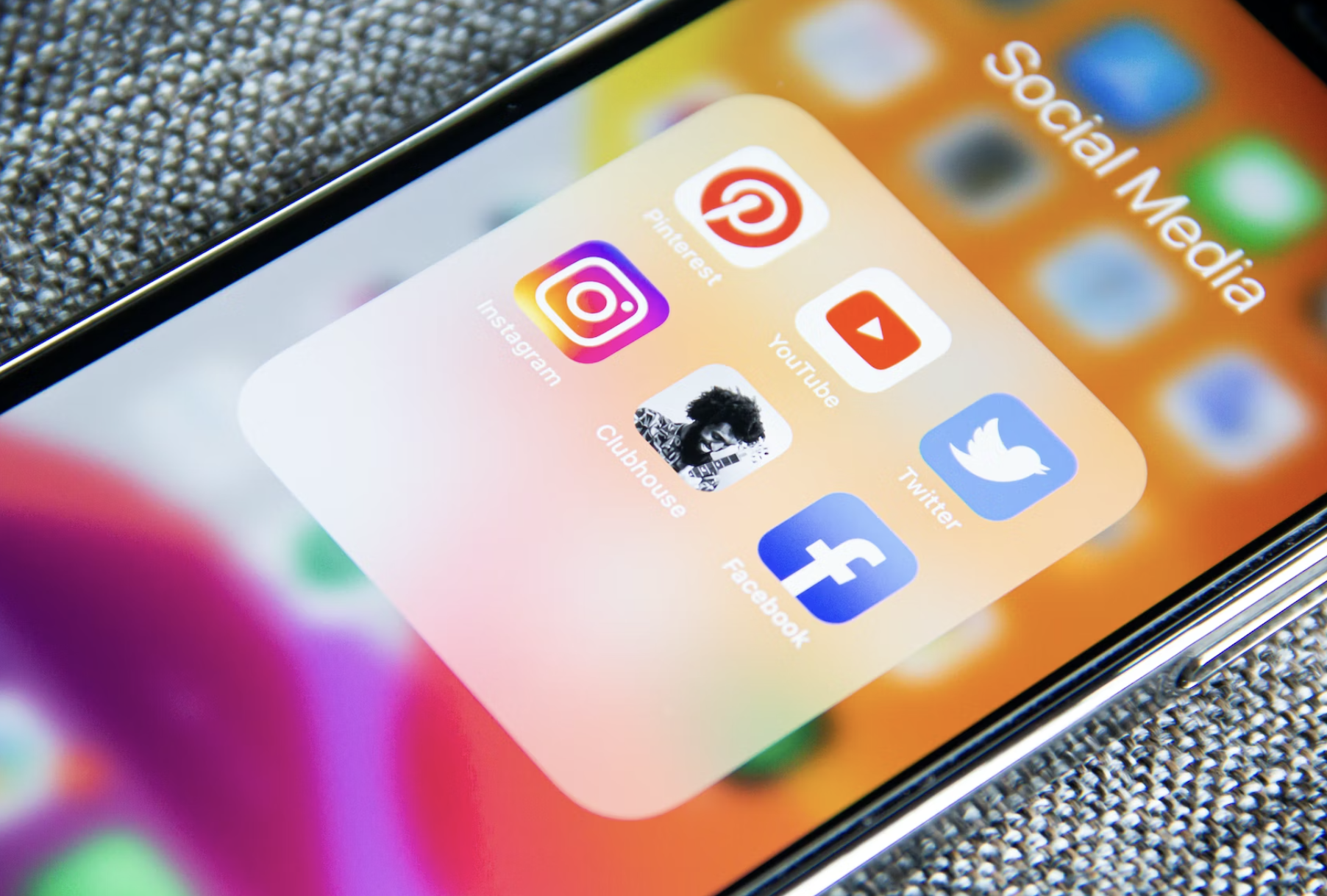
4 Reasons Why Social Media Is Important for Business
Social media is no longer an option in 2026; it’s a necessity.
1. Higher Customer Reach Than Ever
Prior to the social explosion, brands were very reliant on advertisements. Organic and paid social campaigns today can reach razor-focused audiences at a fraction of the cost.
Example:
A small clothing store with a limited $500/month budget for advertising can now access over 100,000 potential customers on Instagram, never doable before due to print or TV ads.
2. Social Media Shopping Is Exploding
Consumers are purchasing directly through apps like Instagram and TikTok, thanks to in-app checkout capabilities.
Stat:
More than 70% of Gen Z shoppers report finding new products through social apps.
That muddy distinction between discovery and purchase is a big change from the “find it on Google, buy it in a store” approach.
3. Social Media Content Determines Trust and Loyalty
People don’t just buy things; they buy stories, personalities, and values. Businesses that share behind-the-scenes footage, customer testimonials, or education videos are also establishing:
✔ Better rapport
✔ Stronger brand identity
✔ Higher long-term loyalty
Today, 80 percent of users claim that authenticity is more important than production quality on the web when consuming content from brands.
4. User-Generated Content (UGC) Is Gold
User-generated content from customers outperforms slick ads.
Stats to know:
- UGC is 2.4X more trusted than branded content.
This makes it clear that customers are influenced in their purchases by seeing real people use products.
It’s the reason why so many Fortune 500 brands these days are using UGC to give their campaigns a boost.
The Hottest Trends Set to Shape Social Media in 2026
Here are the most significant emerging trends:
Short-Form Video Reigns Supreme
Platforms such as TikTok and Instagram Reels are already responsible for more than 45% of overall engagement on social platforms. And LinkedIn? They are even pushing short videos because of what users want.
Pro Tip:
Videos that are under 30 seconds work best for awareness and memory.
AI-Driven Personalisation of Social Media
Social networks employ AI to curate feeds, ads, and recommendations so that users are exposed to content that might pique their interest.
This has led to engagement rates as high as 60% when compared to static feeds.
Interactive Content Is Winning
Polls, quizzes, and “tap to reveal” styles increase interactivity and alert platforms’ algorithms to show your content to a wider audience.
Social Audio Rooms
After the explosion of Clubhouse in 2021, audio rooms quickly became popular on social media. As a result, many major platforms started adding this feature. For example, LinkedIn and Instagram now offer their own audio rooms.
Because of this, users can join live conversations and share ideas easily.
In addition, these spaces help brands talk with people in a more natural way. Therefore, brands can build a more “person-to-person” connection without the pressure of being on video.
How the Best Companies to Work Are Nailing Employee Engagement
Fortune 500 Companies Embrace Social
Companies such as Nike, Coca-Cola, and Apple are now more than advertisers; they are storytellers.
Example strategies:
- Nike leverages athlete stories to add inspiration and emotional connection.
- Coca-Cola operates worldwide challenges to engage users.
- Apple features tutorials and use cases that educate users.
On a very basic level, these companies aren’t just selling goods—they’re selling culture.
How Startups Can Win Too
Here are straightforward, doable steps any business can and should take:
Understand Your Audience
First, use social analytics tools to learn where your customers spend their time online.
Next, study what type of content they like the most. For example, some audiences prefer short videos, while others like helpful tips or simple guides.
In addition, check the time when people are most active on social media.
As a result, you can post content when more users are online and ready to engage. For instance, if you promote farming equipment or a tractor, this data helps you reach the right audience at the right moment.
To learn more about how social media trends influence business strategies, you can explore insights on Socialnomics.
Therefore, using analytics makes your social media strategy more effective and focused.
Invest in Short Video Content
You don’t even need elaborate setups; user-generated or credible content frequently works best.
Track What Works On Social Media
Track engagement (likes, comments, shares) and conversion (clicks, purchases, signups) to adjust campaigns.
Be Consistent: Regular posting creates familiarity, and platforms reward it with more visibility.
How Data Can Guide Smarter Social Media Decisions
At the root of a successful social media strategy is the ability to make data-backed decisions. In 2026, businesses don’t guess or luck into vitality; they use insights.
Social networks now offer detailed analytics, such as:
- Audience demographics
- Engagement patterns
- Content performance by format
- Best posting times
Why this matters:
Companies that are data-informed when it comes to social strategy are 23% more likely to outperform the competition when acquiring new customers.
Brands that review engagement data each week see up to 30% higher ROI on their social campaigns.
Access to data helps companies use predictive analytics powered by AI to anticipate trends and tune content before demand spikes.
For instance, monitoring which posts get the most saves or shares can help uncover what audiences really value—not just what they “like.” This lets businesses optimize messaging, increase relevance, and minimize wasted effort.
Simply put, data transforms social media from a creative initiative into an actionable growth channel that allows brands to remain nimble in fast-paced digital waters.
Final Takeaway
Social media in 2026 isn’t just a means of communicating; it’s business growth fuel. No matter if you’re working for a Fortune 500 or a little start-up down the street, your ability to authentically connect with audiences will make or break your business.
Social platforms are not simply venues for displaying products; instead, they are spaces where relationships are built and nurtured. Moreover, these platforms allow businesses to interact directly with their audience and create long-term trust.
In fact, in today’s digital world, nearly 66% of people use social media platforms daily. Therefore, social media has become one of the most powerful tools for communication and brand growth.
As a result, choosing not to engage on these channels means ignoring some of the most valuable growth opportunities available.
