Exploring the Technology Behind Space Missions and the Laws That Safeguard It
Before the mid-20th century, space exploration seemed like a dream. Today, the United States has conducted hundreds of space missions. None of it would have been possible without constant technological advancements and international cooperation.
This ultimately has a lot to do with rules and regulations known as space law. Space law enforces culpability, cooperation, and good intentions within space exploration. Without space law, any country could simply use harmful practices to further explore space, despite the environmental repercussions.
Not only do these laws protect astronauts, but they also help each spacefaring nation maximize its potential. Follow along as we explore the incredible technology behind space missions and highlight the laws that make it possible.
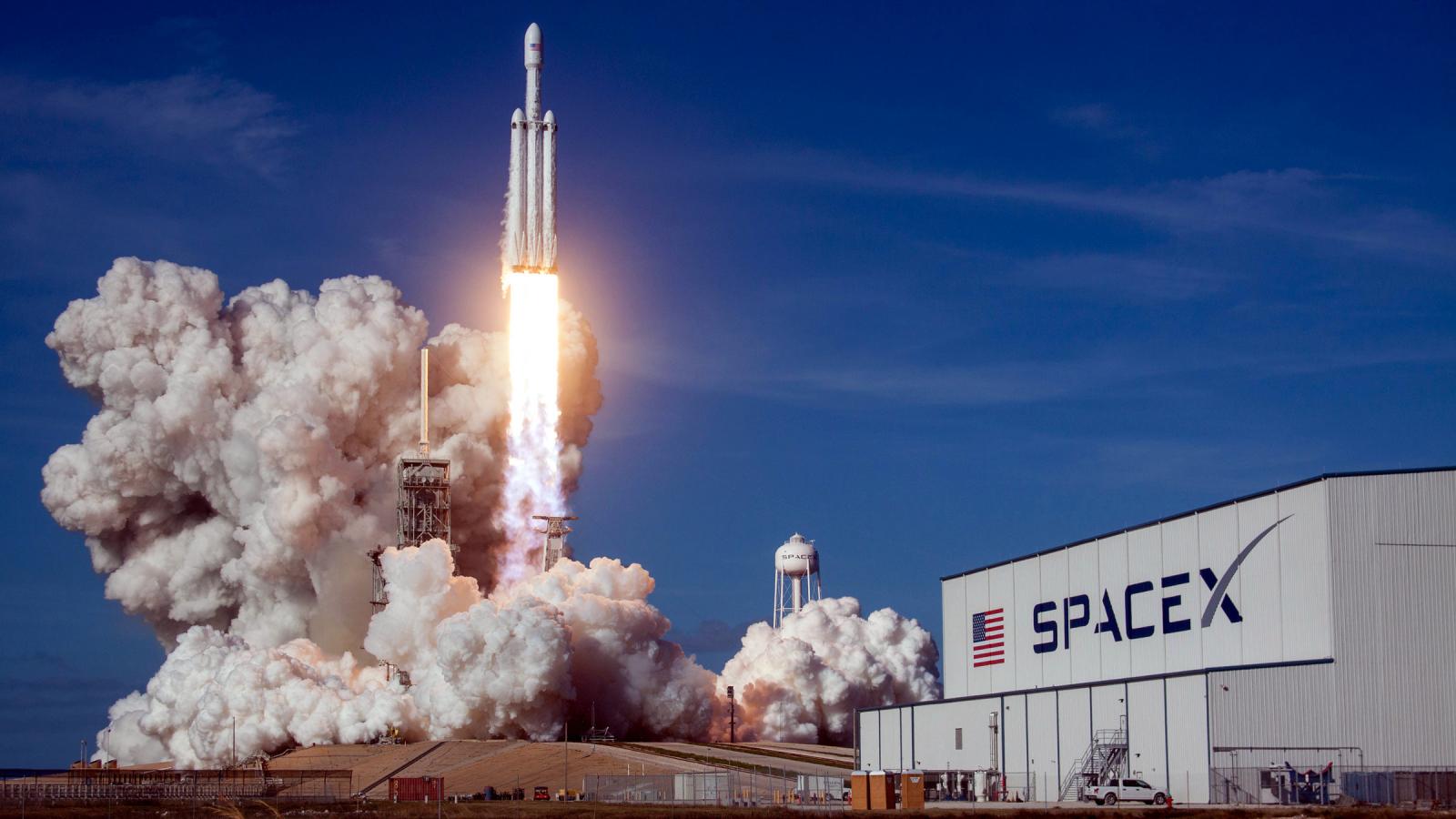
Technology is Key to Space Exploration
Technology has been at the forefront of space exploration since the National Aeronautics and Space Administration (NASA) was created in 1958. While we didn’t land on the moon until 1969, NASA spent over a decade developing groundbreaking technology. The Apollo program, which ran from 1960 to 1973, was the first demonstration of NASA’s technological prowess.
While it took $25.8 billion ($257 billion adjusted for inflation) to get us to the moon, the developed technology is invaluable. Today, NASA continues to develop new technologies while updating and even discontinuing old programs.
Essential Space Technology
Space exploration relies on a wide variety of technology, from telescopes and rovers to landers and ships. While some technology is meant to keep astronauts safe, other devices are meant to gather information. Some technology, like space shuttles, has been retired.
However, NASA continues to develop new technology for space missions. The most essential pieces of space technology we still use include:
Rover
Anyone who follows the news is at least familiar with the dune buggy-like Mars rovers. Rovers are advanced robot vehicles that NASA deploys to explore other moons and planets. The U.S. has sent 5 rovers to Mars since 1997, expanding our knowledge of the red planet.
Mars rovers are invaluable in that they provide information humans cannot safely gather on Mars. Everything from the heat and radiation to the time it takes to get to Mars makes it unsafe for humans to go there. NASA has also sent many lunar rovers to the moon.
Robotics
Robotics are essential to modern space missions, and NASA is at the forefront. NASA developed the first “robonaut” in 1997, but they have worked with robotics since the late 1970s. The development of robots makes maintenance easier and safer on space missions.
High-tech robotics minimize the need to deploy people to work on basic maintenance and data collection. This makes space missions safer and reduces how many resources are needed for them.
5G Technology
The prospect of 5G cellular networks in space has frequently made the headlines. However, this recent digitization effort has exciting implications for the future of communications and networking. Not only can this offer connectivity to remote areas without it, but it can aid in disaster relief.
A widespread network can ensure connectivity even during disasters. This can ultimately change the future of response times during natural disasters, even in the most remote places.
Microprocessors
NASA may not have invented microprocessors, but it significantly improved them. They helped advance integrated circuits for space travel, which eventually helped in countless industries. Microprocessors are used daily in household appliances, computers, cars, and even video game consoles.
NASA uses microprocessors for infrared seekers, control systems, and onboard computers. They are essential for navigation, making them essential for space missions. Microprocessors are among the best contributions to everyday life that NASA has made as we use them daily.
Active Debris Removal Vehicle
The Active Debris Removal Vehicle (ADRV) is one of the most practical pieces of space technology. It’s no secret that space missions generate debris, and that’s where the ADRV comes in. The ADRV helps collect and get rid of debris in the low earth orbit (LEO).
Space law doesn’t currently specify what must be done with space debris. However, the 1967 Outer Space Treaty dictates that any state that launches objects into space is responsible for the debris. The consensus is that each nation that enters space must reduce space debris to ensure longevity.
Understanding Space Law
Much like maritime law governs the sea, space law governs, well, space. Space law exists to regulate our activities in space, maintain relations, and keep the low Earth orbit clean. Dating back to the 1950s, space law involves all countriesthat enter space.
It was originally needed to establish guidelines for what was acceptable in space. Space law primarily relates to 5 principles that involve all countries with space programs:
- The Declaration of Legal Principles ensures that no country or entity can claim ownership over anything in space. The most essential part of the principle is that it makes each country accountable for its actions in space. By subjecting such actions to international law, countries face repercussions for nefarious activities in space.
- Broadcasting Principles encourage entities to freely share their findings publicly and with the United Nations.
- Remote Sensing Principles regulate the electromagnetic wave technology we use to scan the Earth. Without such principles, any country could use technology that may harm the atmosphere.
- The Nuclear Power Source Principles specify that using nuclear technology to launch spacecraft is only allowed with protective precautions.
- One of the most important parts of space law, the Benefits Principles, encourages cooperation. It dictates that space cooperation is beneficial to all countries involved in space exploration.

Maximizing Results While Minimizing Damage
At the end of the day, spacefaring technology and space law have the same goal in mind: gaining insight without causing harm. Otherwise, we would constantly hear about international disputes regarding harmful space missions. Space exploration has given way to technology that is essential to daily life, such as microprocessors.
NASA continues to launch new programs and support the International Space Station. As long as NASA exists, the nation’s best innovators will keep developing new technology. Such developments, paired with good intentions and regulation,s ensure new developments will come soon.
This article has been published in accordance with Socialnomics‘ disclosure policy.