How Telehealth and AI Are Changing What Nurses Do
A decade ago, a nurse’s tools were a stethoscope, a chart, and their own clinical judgment. Today, that judgment is increasingly augmented by telehealth platforms, AI-assisted diagnostics, predictive analytics, and remote monitoring devices that stream patient data in real time. The shift isn’t coming—it’s already here, and it’s quietly redefining what advanced practice nurses actually do all day.
This matters whether you’re already in the field or thinking about advancing your career. The technology reshaping healthcare is also reshaping which roles are growing, what skills they demand, and where the opportunities are. Understanding that landscape is now as important as understanding the clinical work itself.
The Foundation Is Shifting Too
Even at the entry point, technology is changing the work. While a BSN has always opened the door to a rewarding career, today’s nurses step into environments built around electronic health records, connected monitoring systems, and digital documentation from day one. Technical fluency is no longer a bonus—it’s part of the baseline. And it’s through advanced qualifications that nurses expand both their earnings and their ability to work at the frontier of these tools.
Telehealth Has Redrawn the Nurse Practitioner’s Map
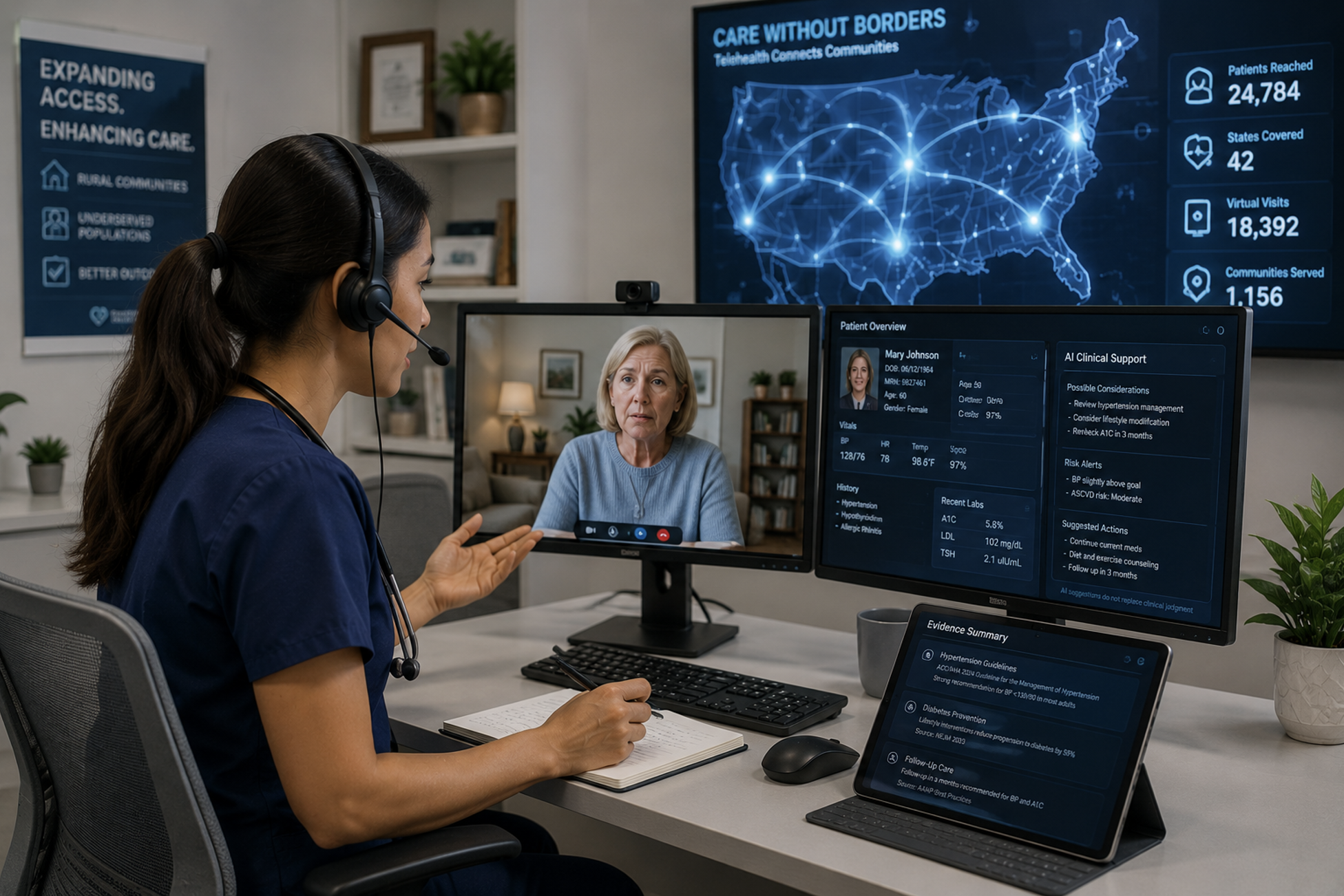
Nurse Practitioners are the most recognizable advanced practice role—diagnosing conditions, ordering and interpreting tests, and prescribing medications, often independently. But telehealth has fundamentally expanded what that looks like.
NPs now diagnose and manage patients who may be hundreds of miles away, extending care into rural and underserved communities where physician presence is thin. AI-assisted decision-support tools surface relevant evidence and flag risks at the point of care, helping NPs make faster, better-informed calls. The result is a role with broader reach than ever—and one whose growth is tightly linked to the booming digital-health economy. The clinical responsibility hasn’t changed, but the geography and the toolkit have.
Big Data Has Made the Clinical Nurse Specialist More Powerful
Clinical Nurse Specialists have always been the system-level thinkers of nursing—developing protocols, leading quality-improvement initiatives, and bridging research and bedside practice. Technology has handed them far sharper instruments.
Today, that work runs on clinical analytics, outcomes dashboards, and population-health data. A CNS can now identify patterns across thousands of patient encounters, pinpoint where care breaks down, and design data-backed interventions at scale. Where an NP focuses on delivering care, the CNS focuses on improving the entire system that delivers it—and big data has made that mission dramatically more achievable. Health systems investing in analytics-driven quality improvement are increasingly recognizing how valuable this role has become.
Real-Time Data Defines Acute Care
Acute Care Nurse Practitioners (AGPCNPs) manage hospitalized patients with complex, unstable conditions in ICUs and emergency departments, making real-time decisions that affect survival. It’s one of the most technology-saturated roles in all of healthcare.
These nurses work amid continuous monitoring systems and predictive analytics that can flag a patient’s deterioration before it becomes a crisis—sometimes hours earlier than a human would catch it. Interconnected device data feeds split-second decisions. For nurses who thrive in high-intensity, data-rich environments, the AGPCNP path is rewarding, with strong job availability and competitive compensation. The trade-off is unpredictability and the genuine emotional weight of managing critically ill patients.
Automation in the Operating Room
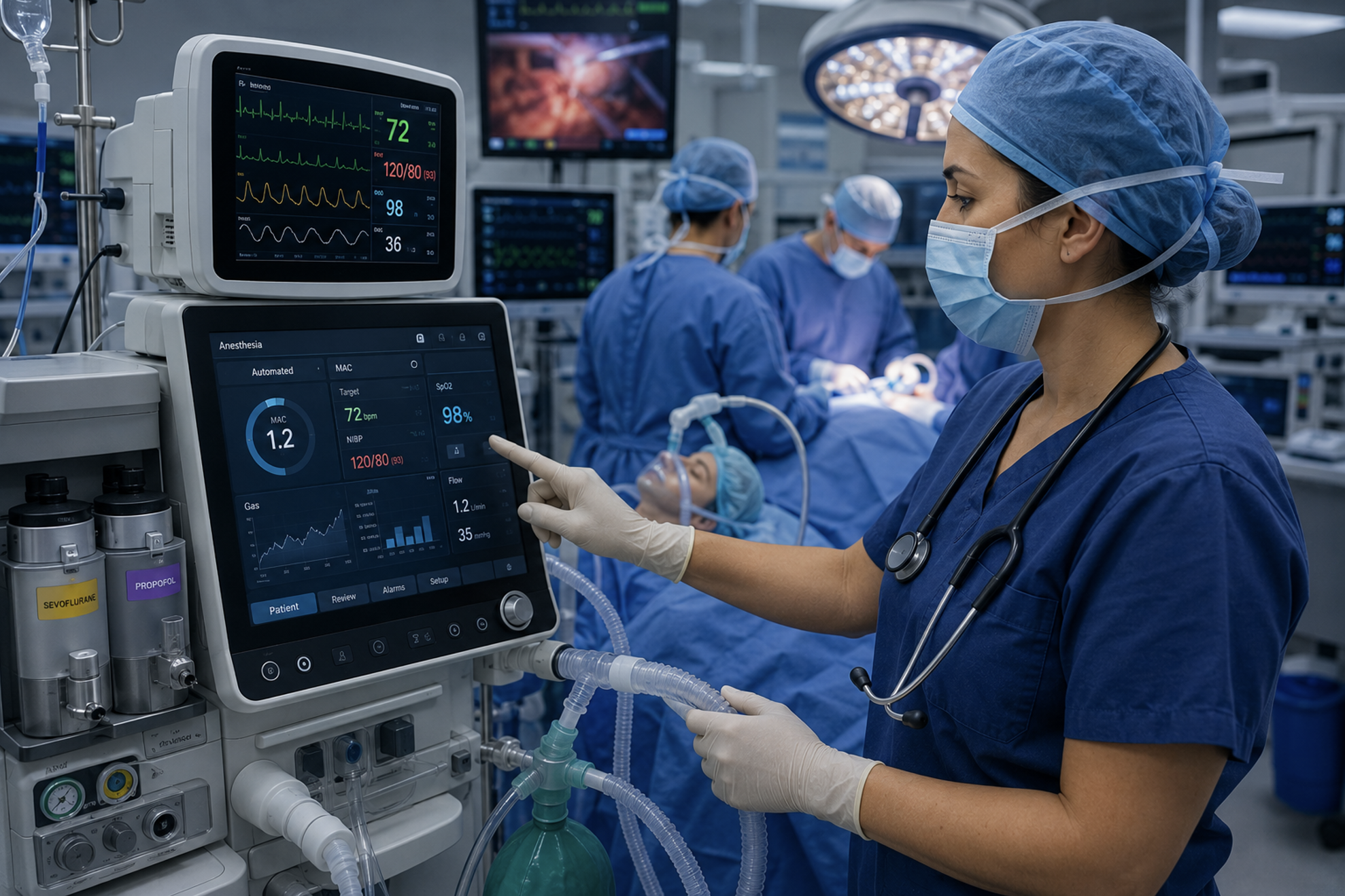
Certified Registered Nurse Anesthetists administer anesthesia during surgery—assessing patients, monitoring vital signs, and managing recovery with precision under pressure. It’s among the most instrument-dependent roles in medicine, and it’s getting more so.
Advanced monitoring technology and increasingly automated delivery systems now track and adjust in real time, augmenting the CRNA’s expertise rather than replacing it. The work remains procedurally focused and technically demanding, and compensation is typically higher than in other advanced practice roles—a reflection of both the specialization and the steady market demand.
Digital Tools in Women’s Health
The line between a Certified Nurse-Midwife and a women’s health NP confuses people. A CNM specializes in midwifery and obstetrics; an NP with women’s health certification handles broader care, from gynecological conditions to preventive care and contraception.
Both roles are now supported by digital health tools—remote fetal monitoring, symptom-tracking apps, and platforms that keep patients connected to their providers between visits. The technology doesn’t erase the distinction between the paths, but it does extend the reach and continuity of care in both.
What This Means for the Future of the Profession
The throughline across every one of these roles is the same: technology is augmenting clinical judgment, not replacing it. Telehealth extends reach. AI accelerates decisions. Big data reveals patterns no individual could see. Remote monitoring catches problems earlier. None of it removes the nurse from the center of care—but all of it changes the skills that matter.
For anyone weighing an advanced practice path, that’s the real takeaway. Beyond asking which specialty fits your temperament—autonomy versus teamwork, direct care versus system change, ongoing relationships versus acute episodes—it’s worth asking how comfortable you are working in an environment that grows more data-driven every year. The nurses who thrive in the next decade will be the ones who treat these tools not as a burden, but as leverage.
Advanced practice nursing offers a genuine variety and meaningful pathways, and technology is expanding all of them. The work is changing fast. The nurses who understand that early will be the ones best positioned to shape where it goes.
This article has been published in accordance with Socialnomics‘ disclosure policy.