

How Mobile Wallets Are Redefining Everyday Finance in 2025
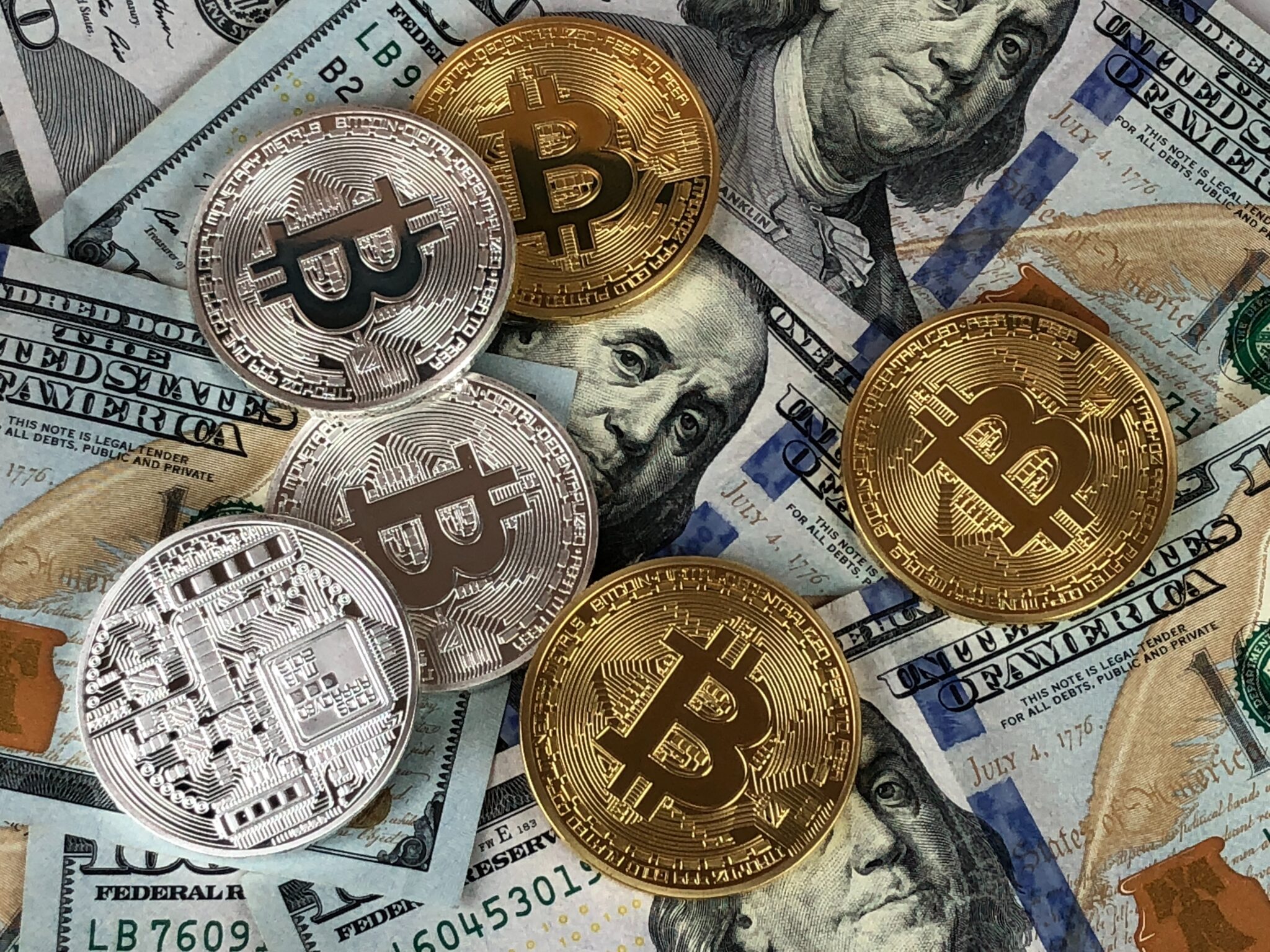
Mobile wallets are no longer just a convenient way to tap your phone at checkout. In 2025, they’re reshaping how people move money, store value, build financial independence, and interact with digital assets — all without needing a traditional bank.
What used to be a “nice-to-have” app has become the command center for personal finance. The shift is cultural as much as it is technological: people now expect speed, control, and flexibility from their money, and mobile wallets are stepping up in ways banks haven’t.
From Payments to Full Financial Hubs
Just a few years ago, mobile wallets were mostly for contactless payments and peer-to-peer transfers. Today, they’re acting more like mini financial platforms:
✅ Pay bills and subscriptions
✅ Store multiple fiat currencies
✅ Access savings tools and budgeting
✅ Trade or hold crypto assets
✅ Send money across borders
✅ Connect to Web3 apps
Users don’t think in terms of “banking” anymore — they think in terms of access. If an app handles money, it’s part of their financial ecosystem. That’s why even non-crypto users are beginning to adopt wallets that can manage both digital and traditional assets.
Crypto Wallets Go Mainstream
One of the biggest reasons mobile wallets are evolving so quickly is the rise of self-custody. After years of exchange collapses, hacks, and sudden account freezes, people want more control over their assets.
According to trusted platforms in the space, including Exodus, the appeal comes down to familiarity and function. Users want the look and feel of a finance app without the complexity of traditional crypto tools. That’s why people are choosing wallets that let them buy, sell, and manage assets directly from their phones—without handing everything over to an exchange.
This shift is key: wallets are no longer just for crypto enthusiasts. They’re onboarding everyday users who want optional exposure to digital assets without the friction.
Cross-Border Finance Is Getting Simpler
Traditional banking still treats international transfers like premium services, with delays and fees to match. Mobile wallets are flipping that model.
Wallets now let users:
Send money to other countries instantly
Convert currencies in-app at competitive rates
Avoid paperwork and wire transfer delays
Pay freelancers, family, or vendors directly
For entrepreneurs, remote workers, and expats, this isn’t a perk — it’s survival. Mobile wallets are filling the gap left by outdated banking infrastructure.
Security Without the Complexity
Security used to be the trade-off for convenience. Not anymore.
Modern mobile wallets integrate:
Multi-factor authentication
Biometric logins
Hardware-level encryption
Built-in backup tools
Private key protection
Users don’t need to understand seed phrases or network fees to feel safe. That invisible security layer is what’s making adoption possible at scale.
Financial Access Without Permission
A major shift in 2025 is the rise of “bankless banking” — the ability to manage money without opening an account or visiting a branch.
Mobile wallets now provide:
Digital identity onboarding in minutes
Fiat on-ramps tied to debit cards or payroll
Access to savings or yield tools
Alternative credit and lending options
Payment rails that bypass card networks
For millions of underbanked consumers, especially in emerging markets, a phone and a wallet app can replace an entire financial institution.
Integration With Daily Life
Another reason mobile wallets are winning? They’re embedding themselves into everyday experiences.
Paying for transit and rideshares
Splitting restaurant bills
Shopping online without card numbers
Managing subscriptions and auto-pay
Tipping service workers digitally
Logging into apps using wallet authentication
The less users think about the mechanics of money, the more powerful these apps become.
Business Adoption Is Accelerating the Shift
Consumers aren’t the only ones redefining finance. Businesses are leaning into mobile wallets for real reasons:
Faster payouts to freelancers and global teams
Lower transaction fees than cards or wires
Instant refunds and digital receipts
Built-in tax tracking and invoicing
Access to crypto payments without custom tools
Even small businesses are moving away from POS hardware in favor of mobile-based payment acceptance.
What Comes Next
The direction is clear: mobile wallets are turning into multi-functional financial identities, not just tools. The winners will be those that blend three things seamlessly:
Simplicity — no jargon, no onboarding friction
Control — users decide how and where assets live
Interoperability — fiat, crypto, and digital services in one interface
Exodus and similar platforms are already proving that people don’t need a finance degree to navigate digital assets or self-custody. As wallets become more user-first, the line between fintech and crypto will fade completely.
2025 isn’t about asking whether people will replace banks — it’s about realizing they already have.
