

Top 5 Mistakes Companies Make When Hiring a Keynote Speaker
Hiring the right keynote speaker can transform a corporate event from an ordinary gathering into an unforgettable experience. A great speaker does more than entertain an audience; they inspire new ideas, motivate employees, and deliver insights that can influence an organization’s future.
However, choosing the wrong speaker can lead to disengaged attendees, missed opportunities, and wasted resources. With countless motivational speakers, business leaders, and industry experts available, finding the perfect fit requires careful consideration.
To ensure your next corporate event delivers lasting value, here are the five most common mistakes companies make when hiring a keynote speaker—and how to avoid them.

1. Choosing a Speaker Based on Popularity Alone
One of the biggest mistakes companies make is selecting a keynote speaker simply because they have a recognizable name or a large social media following.
While popularity can generate excitement, it doesn’t guarantee that a speaker will connect with your audience or deliver meaningful insights.
Instead, companies should prioritize relevance, expertise, and the speaker’s ability to engage attendees. A successful keynote should align with the event’s objectives and provide actionable takeaways.
Before making a decision, review previous speaking engagements, watch presentation videos, and evaluate audience testimonials. The best keynote speakers combine credibility with compelling storytelling and practical knowledge.
2. Failing to Align the Speaker With Event Goals
Every corporate event has a purpose, whether it’s motivating employees, introducing new technologies, encouraging innovation, or preparing teams for organizational change.
Hiring a speaker without clearly defining these goals can result in a presentation that feels disconnected from the event’s overall message.
For example, organizations navigating digital transformation may benefit from a speaker who specializes in technology, leadership, and innovation.
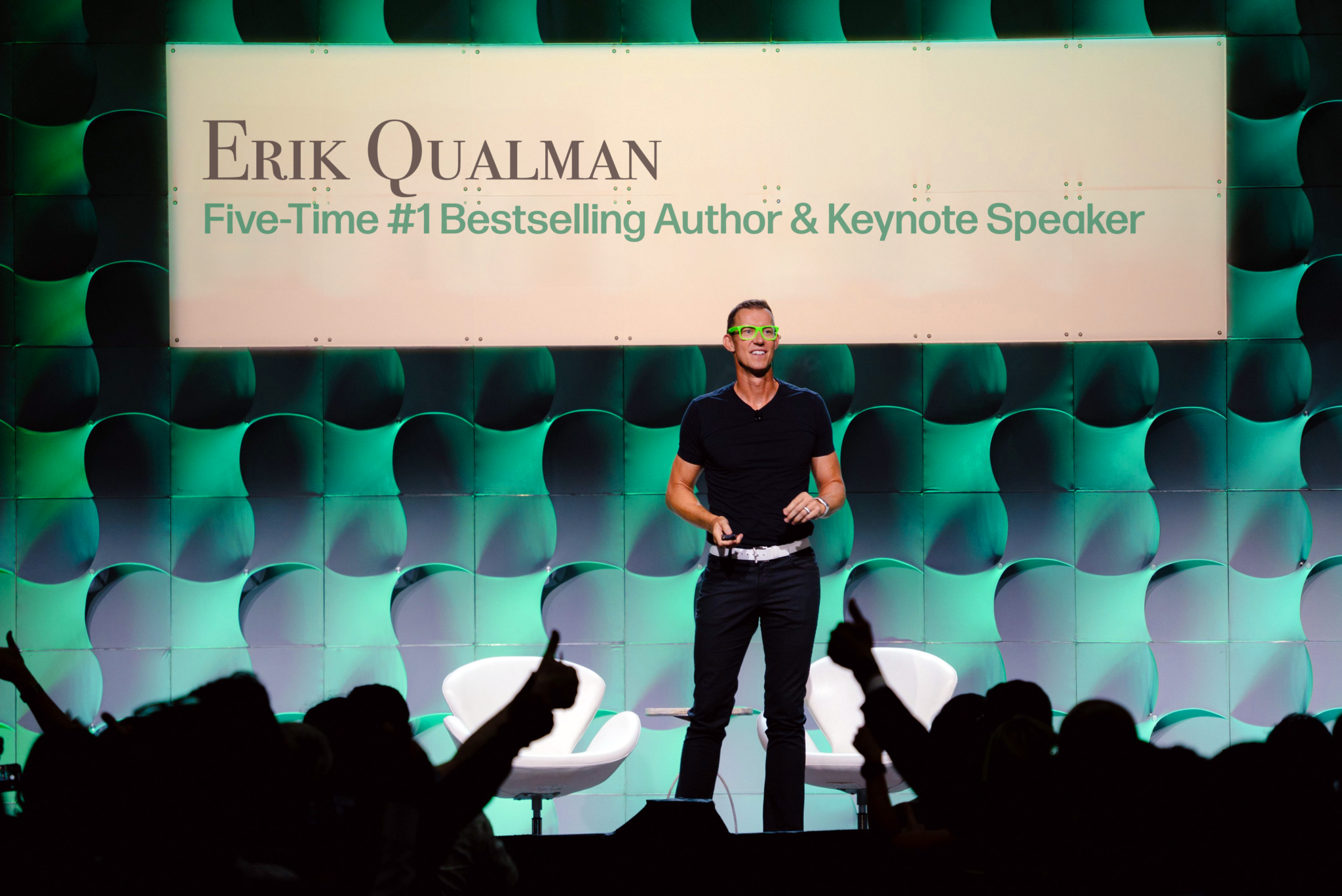
Erik Qualman, a globally recognized digital leadership keynote speaker and bestselling author, focuses on topics such as digital transformation, innovation, and leadership in an increasingly connected world. His presentations explore how organizations and individuals can adapt to technological change while developing stronger leadership practices.
Choosing a speaker whose expertise supports your event’s objectives helps ensure the keynote delivers relevant insights rather than generic motivation.
 3. Overlooking Audience Engagement and Speaking Style
Even the most knowledgeable expert can struggle to make an impact if their presentation fails to engage the audience.
Some speakers rely heavily on slides, technical terminology, or lengthy explanations that leave attendees feeling disconnected.
An effective keynote speaker understands how to balance information with entertainment, storytelling, and audience interaction.
When evaluating potential speakers, consider whether their presentation style matches your audience’s expectations. A conference filled with senior executives may require a different approach than an event designed for emerging professionals.
Look for speakers who demonstrate energy, authenticity, and the ability to simplify complex topics.
Watching full-length keynote presentations, rather than short promotional clips, can provide valuable insight into how speakers maintain audience attention throughout an event.
4. Focusing Too Much on Budget Instead of Value
Budget is an important consideration when planning any corporate event, but selecting the least expensive keynote speaker isn’t always the smartest investment.
A lower speaking fee may initially appear attractive, yet an ineffective presentation can diminish the overall event experience.
Conversely, a speaker who delivers memorable insights, inspires meaningful conversations, and encourages positive organizational change may provide greater long-term value.
Companies should evaluate the potential return on investment rather than focusing exclusively on the speaker’s fee.
Consider factors such as industry expertise, presentation customization, audience engagement, and the relevance of the speaker’s message.
It’s also important to clarify additional expenses, including travel, accommodations, and any special presentation requirements, before finalizing an agreement.
The goal should be finding a speaker who delivers the strongest combination of quality, relevance, and value within your budget.
5. Waiting Until the Last Minute to Book
Another common mistake is delaying the keynote speaker selection process until the event date is approaching.
Highly sought-after speakers often have demanding schedules, particularly during major conference seasons.
Waiting too long can limit your options, increase logistical challenges, and leave insufficient time to customize the presentation.
Booking early gives event organizers more flexibility and allows speakers to better understand the organization’s goals, audience demographics, and event theme.
It also creates opportunities for pre-event collaboration, including planning calls, promotional materials, and discussions about key messages.
Ideally, companies should begin researching keynote speakers several months before their event, especially when planning large conferences or annual corporate gatherings.
Final Thoughts: Choosing the Right Keynote Speaker Matters
The right keynote speaker can elevate an event, energize employees, and introduce perspectives that inspire lasting change.
By avoiding these five common mistakes, companies can make more informed hiring decisions and create experiences that resonate with attendees long after the event concludes.
Whether you’re organizing a leadership summit, technology conference, or company-wide meeting, prioritize speakers who understand your audience, align with your objectives, and deliver meaningful insights.
A successful keynote isn’t simply about filling a speaking slot. It’s about creating an experience that inspires action, encourages growth, and leaves a lasting impression.
