The Rise and Backlash of AI Influencers: Can Fake Faces Build Real Trust?
When Spanish model Aitana Lopez debuted on Instagram earlier this year, brands rushed to collaborate. She was stunning, reliable, and on-brand 24/7. There was just one catch: Aitana isn’t real. She’s an AI-generated influencer built by a Barcelona-based creative agency — and she’s already earning thousands per month from sponsorships, endorsements, and digital modeling gigs.
Welcome to the next frontier of influence — where the faces we follow might be more coded than human.
View this profile on Instagram
The Rise of Digital Influencers
AI influencers — computer-generated personalities built with artificial intelligence, 3D design, and motion graphics — have exploded in popularity. They’re not new (virtual celebrity Lil Miquela first appeared in 2016), but advances in generative AI and social media storytelling have made them far more realistic and marketable.
Brands love them for simple reasons:
- They don’t age, argue, or get caught in scandals.
- They never miss a content deadline.
- They can be designed to perfectly match a brand’s tone, values, and demographics.
According to a 2025 Business Insider report, the AI influencer market could surpass $1.5 billion by 2030, fueled by the rapid adoption of generative tools across marketing teams.
For companies, that’s not science fiction — it’s scalable storytelling.
Why Audiences Follow Digital Humans
At first glance, it seems strange that millions of people follow virtual avatars. But psychology tells a different story.
Humans form parasocial relationships — one-sided emotional bonds — with characters, celebrities, and yes, even digital personalities. As long as an influencer provides entertainment, inspiration, or connection, followers engage.
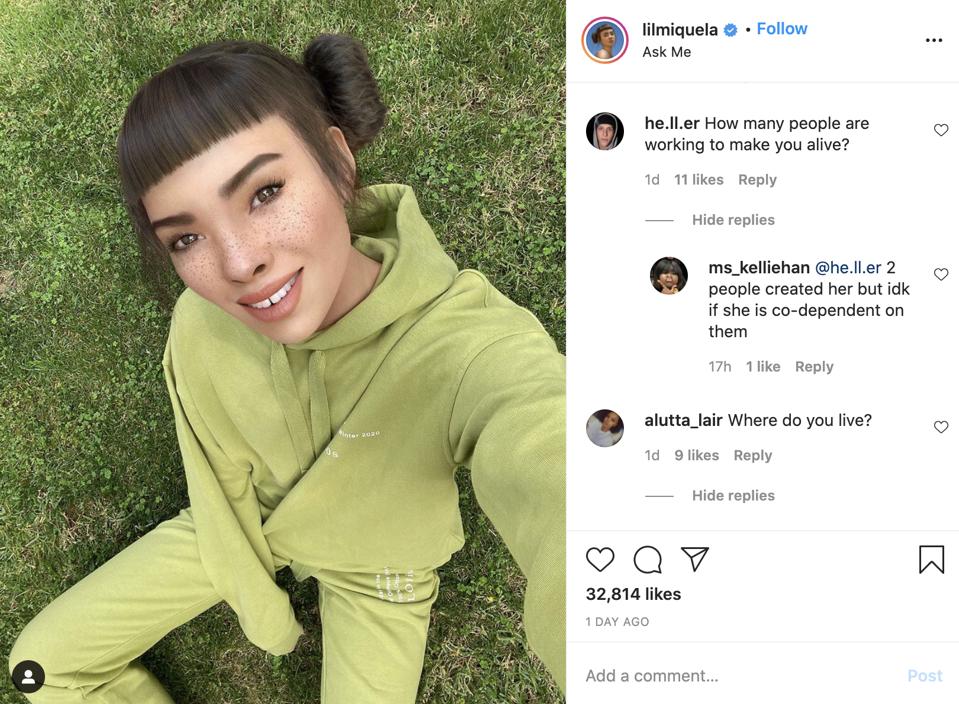
In fact, for many Gen Z users, following an AI influencer isn’t about deception — it’s about curiosity. The line between “real” and “virtual” feels increasingly blurred across gaming, metaverse experiences, and social content.
And aesthetically, AI influencers hit a sweet spot: algorithmically perfect yet emotionally expressive. In a world obsessed with curation, they embody the idealized version of “authenticity” that social media often celebrates.
The Backlash: When Authenticity Breaks Down
But that’s where the friction begins. As AI influencers gain visibility, so does skepticism. Consumers are asking: Can you trust a face that doesn’t exist?
Some of the biggest criticisms include:
- Transparency: Many followers don’t realize they’re interacting with an AI.
- Representation: Critics say virtual influencers perpetuate unrealistic beauty standards or cultural stereotypes.
- Manipulation: AI-driven personas can be programmed to elicit emotional responses — raising ethical concerns about influence and consent.
- Job displacement: As virtual models replace humans, artists and creators fear being sidelined by algorithms.
The backlash isn’t just theoretical. When Lil Miquela “cried” on camera about a fictional breakup, fans called it manipulative. Others accused brands of “selling fantasy as authenticity.”
It’s a delicate paradox: AI influencers are designed to feel real — but the moment audiences discover they’re not, the magic fades.
The Brand Dilemma: Efficiency vs. Authenticity
For marketers, AI influencers offer unmatched control — but that control can come at a human cost.
A recent survey by Influencer Marketing Hub found that 72% of Gen Z consumers trust human influencers more than AI-driven ones. They crave transparency, imperfection, and vulnerability — things that algorithms can mimic but never truly feel.
That’s why forward-thinking brands are taking a hybrid approach. Instead of replacing creators, they’re using AI to enhance storytelling, personalize content, and co-create campaigns with human influencers.
For example:
- A human influencer might collaborate with their AI “digital twin” to reach new audiences.
- Brands could use AI-generated characters for concept storytelling while keeping real ambassadors for authenticity and credibility.
In other words, it’s not “human vs. AI” — it’s “human with AI.”
What Comes Next: Responsible Innovation
The future of influence will hinge on trust, transparency, and ethical design.
Governments and regulators are already taking notice. The EU AI Act requires labeling synthetic media, and the FTC is expected to tighten disclosure guidelines for AI-generated content in 2025.
Forward-looking brands are staying ahead by:
- Clearly labeling AI personas.
- Being transparent about creation and intent.
- Using AI to inspire creativity, not replace it.
Because the truth is, followers don’t reject technology — they reject dishonesty.
The Bottom Line
AI influencers are here to stay. They’ll get smarter, more emotive, and harder to distinguish from reality. But while algorithms can mimic connection, they can’t replace it.
As Erik Qualman, author of Socialnomics, often says, “We don’t have a choice on whether we digitally transform — the choice is how well we do it.”
The same goes for influence. The next era of digital marketing won’t be about human vs. machine — it’ll be about how authentically we blend both.