What Is an Edutainer and Who Are the Best Edutainers?
In a world overflowing with information, it’s not enough for leaders, speakers, or content creators to simply teach. They also have to engage. This is where the concept of the edutainer comes in—a blend of educator and entertainer who turns lessons into memorable experiences.
Defining “Edutainment” and the Rise of the Edutainer
The term edutainment combines “education” and “entertainment” and refers to content or experiences that teach while keeping audiences entertained. It’s not a new idea—think of “Sesame Street” or “Bill Nye the Science Guy”—but in the age of podcasts, social media, and streaming platforms, edutainment has evolved into a powerful way for professionals and thought leaders to connect with audiences.
An edutainer is someone who embodies this approach. Rather than simply delivering facts or theories, edutainers weave stories, humor, visuals, and interactive elements into their presentations, books, or videos. They captivate while they teach, making information stick. This is especially relevant for adults who are often inundated with competing demands for their attention.
Why Edutainers Stand Out
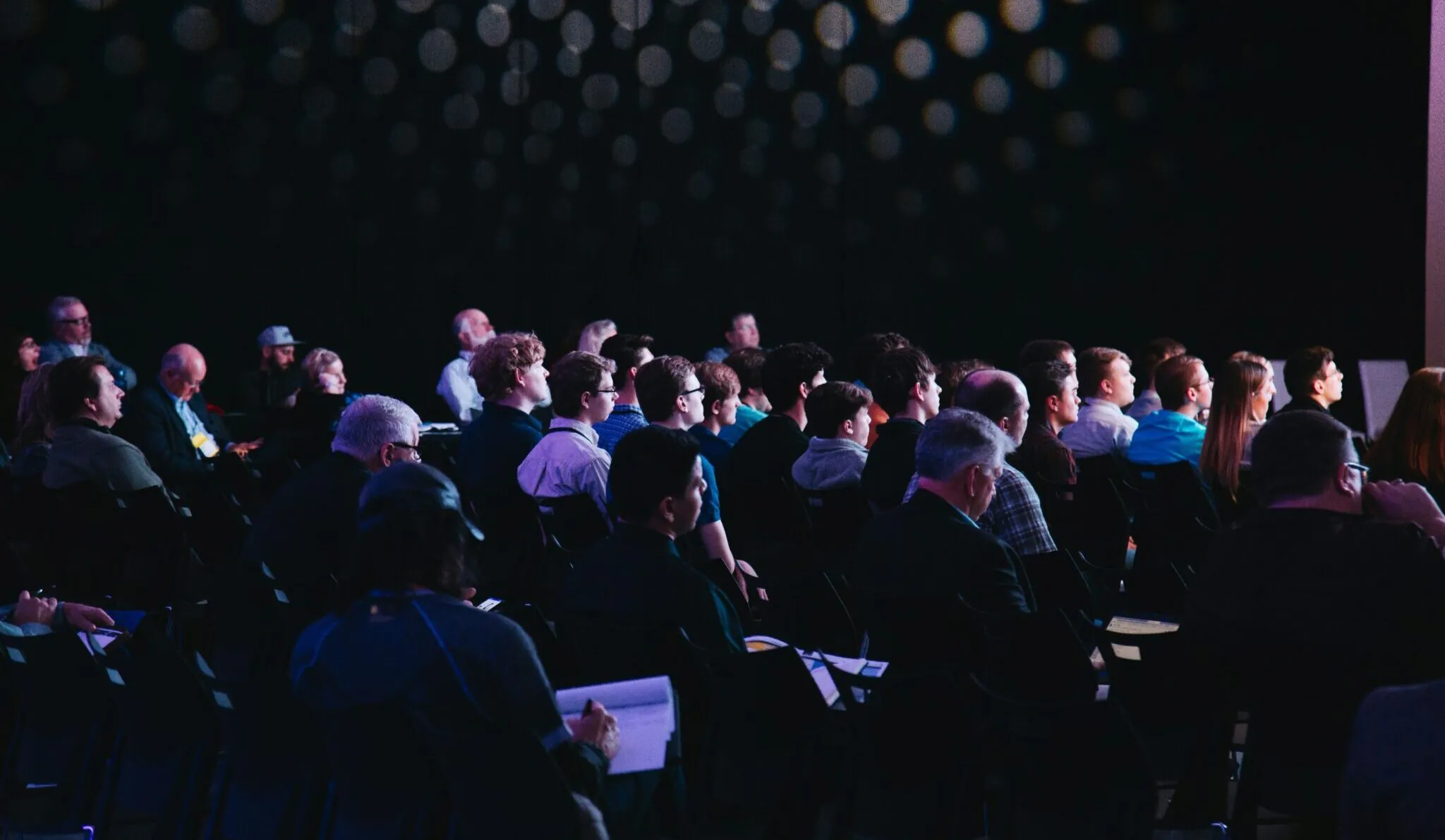
Traditional education and straight entertainment have always had clear boundaries. Teachers instruct; entertainers amuse. Edutainers occupy the dynamic space in between, which makes them particularly effective at inspiring and motivating action. They appeal to both the mind and the heart, creating an emotional connection that helps their message resonate long after the presentation ends.
In a corporate training session, for instance, an edutainer might use real-life stories, humor, or gamified exercises to drive home a point. In a keynote, they might mix data with compelling visuals and audience participation. This multi-sensory, story-driven approach makes complex topics more accessible and memorable.
Hallmarks of an Effective Edutainer
While every edutainer has their own style, most share a few core qualities:
- Storytelling mastery: They use narratives rather than dry facts to frame ideas.
- Authenticity: They share personal experiences and vulnerabilities to build trust.
- Engagement techniques: They invite interaction through questions, challenges, or multimedia.
- Actionable takeaways: They give their audiences clear steps to apply what they’ve learned.
These qualities explain why certain names have become synonymous with the edutainment movement.
Examples of Leading Edutainers
Here are six standout figures who embody the spirit of edutainment today:
Brené Brown

Brené Brown, a research professor at the University of Houston, has built a global following by transforming academic research on vulnerability, courage, and shame into relatable, human stories. Her TED Talk “The Power of Vulnerability” is one of the most viewed of all time, and her books and Netflix special present complex psychological concepts in a way that feels conversational and deeply personal. Brown’s mix of humor, storytelling, and research makes her a quintessential edutainer.
Mel Robbins

Mel Robbins is known for her high-energy talks and practical tools like “The 5 Second Rule.” She combines science-backed strategies with lively anecdotes to empower audiences to take immediate action. Whether on stage, in her books, or on social media, Robbins blends motivational speaking with real-world application—a hallmark of edutainment.
Malcolm Gladwell

Best-selling author and podcaster Malcolm Gladwell is another leading edutainer. His books, such as Outliers and The Tipping Point popularize sociological and psychological research through compelling stories about everything from professional hockey players to marketing phenomena. His podcast “Revisionist History” takes a similarly narrative-driven approach, turning overlooked or misunderstood topics into binge-worthy episodes.
Simon Sinek

Simon Sinek gained fame with his concept of the “Golden Circle” and the question “Start With Why.” His ability to translate leadership principles into vivid metaphors and simple frameworks—delivered in an approachable, conversational style—makes him a favorite among business audiences. Sinek’s TED Talks and books inspire leaders not just to understand concepts but to live them.
Jay Shetty

Former monk turned author and podcaster Jay Shetty brings a unique blend of ancient wisdom and modern self-improvement strategies. His content—whether in his viral videos or bestselling books—fuses mindfulness lessons with relatable stories from everyday life. By packaging spiritual principles in a format suited to social media, Shetty exemplifies edutainment for a digital generation.
Erik Qualman
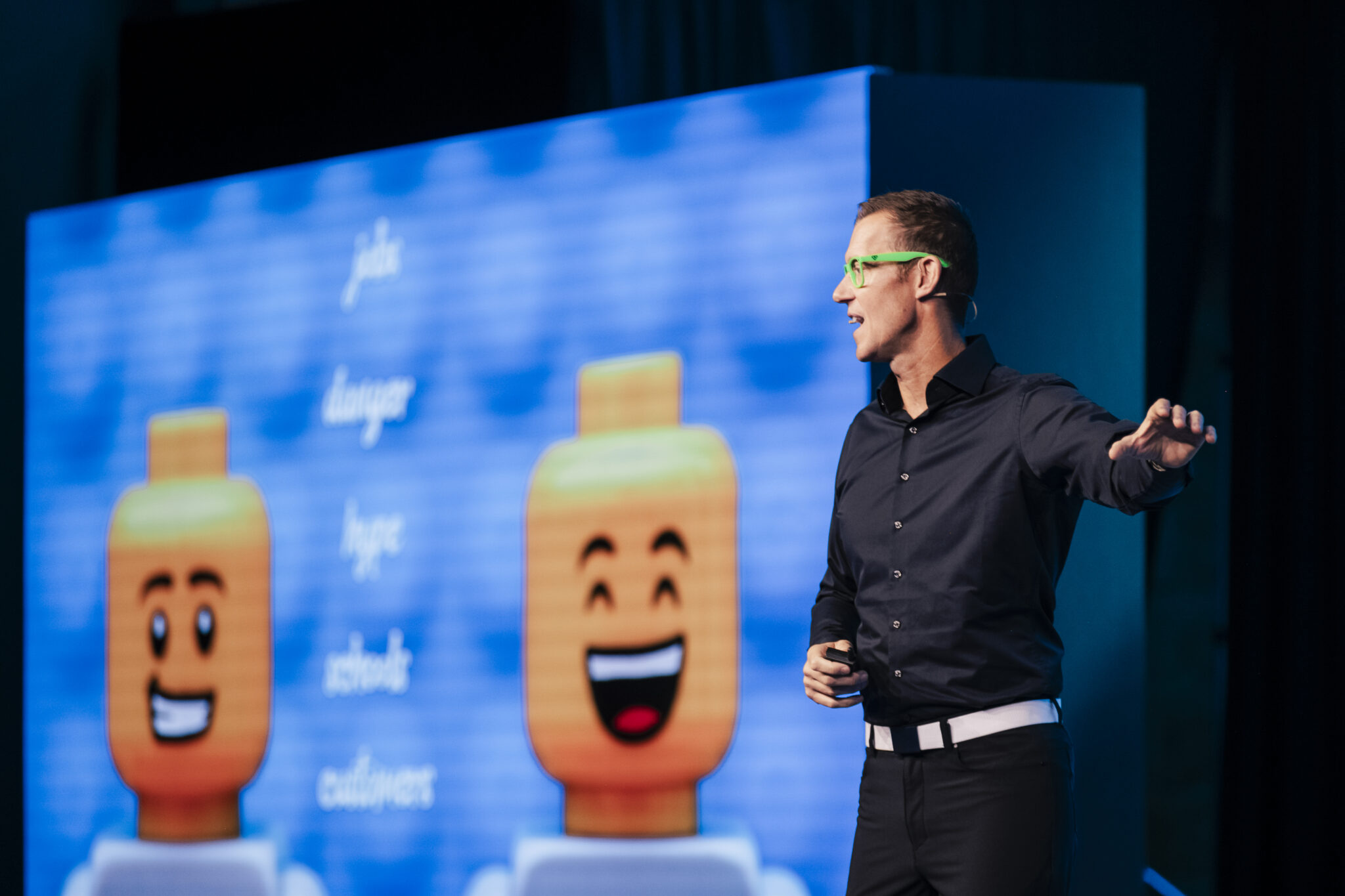
Erik Qualman, also known as “Equalman,” is a digital leadership expert whose work focuses on the intersection of technology, leadership, and innovation. With books like Socialnomics and his dynamic keynotes, he uses videos, interactive visuals, and high-energy delivery to engage audiences. His approach demonstrates how edutainment can make even complex digital trends feel accessible and actionable for organizations and individuals alike.
The Impact of Edutainers
The rise of edutainers reflects a broader shift in how people prefer to learn. In workplaces, employees expect training to be interactive, not lecture-based. On social media, audiences favor short, visually engaging content over text-heavy posts. And at conferences, attendees value speakers who deliver insights with energy and authenticity.
Edutainers thrive in this environment. They don’t just inform—they inspire and transform. Their lessons stick because they connect emotionally and intellectually, offering not just knowledge but also a memorable experience.
Becoming an Edutainer
If you’re a teacher, trainer, coach, or speaker, adopting an edutainment mindset can elevate your impact. Start by:
- Incorporating stories and case studies instead of only data points.
- Using visuals, humor, or interactive exercises to reinforce learning.
- Sharing your personal experiences to build authenticity.
- Providing actionable takeaways so audiences can immediately apply what they’ve learned.
By blending education with entertainment, you’ll make your message not only heard but felt.
Final Thoughts
An edutainer is more than just a teacher or an entertainer—they’re a bridge between knowledge and experience. In an age of constant distraction, edutainers like Brené Brown, Mel Robbins, Malcolm Gladwell, Simon Sinek, Jay Shetty, and Erik Qualman show how powerful this approach can be. They prove that learning doesn’t have to be dull and that entertainment can have substance.
As audiences increasingly demand content that both informs and engages, the edutainment model is poised to shape the future of how ideas are shared. Whether you’re on a stage, on camera, or online, embracing edutainment principles can help you educate more effectively—and inspire like the best edutainers do.