

How EV Charging Infrastructure is Transforming Mobility in India
India is standing at the edge of a mobility revolution — and it’s being driven not by oil, but by electricity. As traffic-choked cities battle pollution and consumers seek smarter, cleaner transport, electric vehicles (EVs) are no longer just an alternative — they are becoming the inevitable future. But behind every EV on the road is something more critical: the infrastructure that powers it.
EV charging infrastructure is not just a utility — it’s the foundation of India’s transition to sustainable mobility. Without it, the promise of electric transport collapses. With it, we unlock cleaner cities, reduced carbon emissions, lower operating costs, and a new wave of energy innovation.
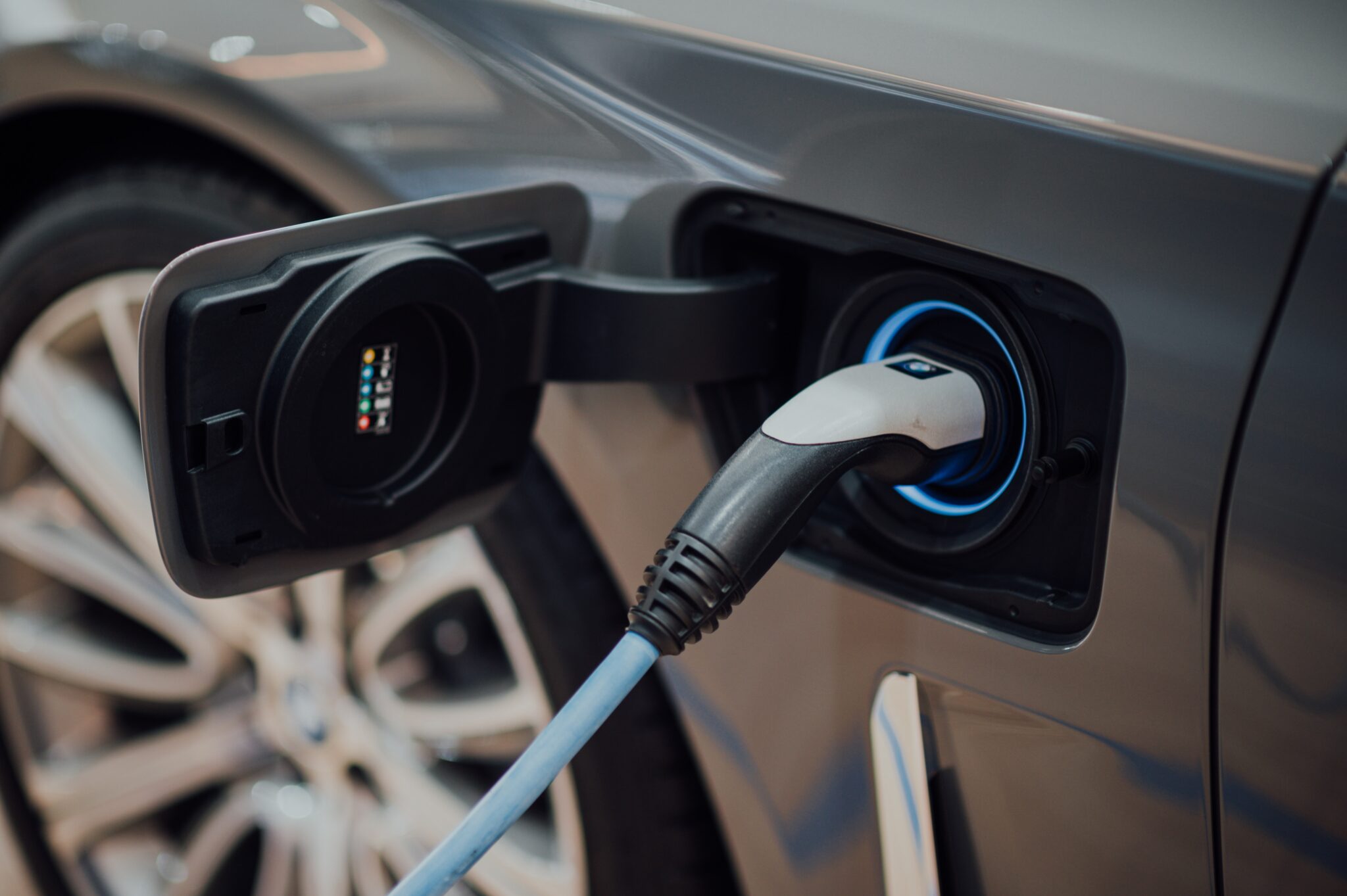
India has already set bold goals: 30% of new vehicles electric by 2030, supported by government subsidies, private investments, and a surge in local manufacturing. Yet one question continues to define the pace of progress: Where will all these EVs charge?
From rapid urban deployments to smart charging platforms integrated with real-time data and mobile apps, India’s EV infrastructure is expanding fast, and it’s doing more than just powering vehicles. It’s transforming how people move, how businesses operate, and how cities are designed.
In this article, we explore how the rise of EV charging infrastructure is reshaping mobility in India
1. The Growth of EV Adoption in India
India has set ambitious goals — by 2030, the country aims for 30% of all new vehicle sales to be electric. This includes:
- 70% of commercial vehicles
- 30% of private cars
- 40% of buses
- 80% of two and three-wheelers
These targets are driven by a mix of environmental urgency, rising oil imports, and a growing focus on urban air quality. In 2024 alone, EV sales in India crossed 1.7 million units, more than double the previous year.
However, for mass adoption to be viable, India needs a robust and widespread charging infrastructure, and fast.
2. Charging Infrastructure: The Backbone of the EV Ecosystem
The charging infrastructure does more than refuel a vehicle. It enables trust, fights range anxiety, and improves the practicality of owning an EV. The Indian government and private players are actively laying the foundation:
Key Developments:
- Over 12,000 public EV charging stations have already been installed across India (as of mid-2025).
- FAME II Scheme: ₹10,000 crore allocated, with a significant focus on charging networks.
- PLI (Production Linked Incentive) schemes to support battery storage and energy components.
State-level policies in Maharashtra, Delhi, Tamil Nadu, and others offer tax exemptions, subsidies, and land incentives for setting up stations.
Charging infrastructure is becoming part of urban planning, being integrated into malls, metro stations, residential complexes, office parks, and highways.
3. The Impact on Indian Mobility
Urban Mobility Transformation
EV charging is altering commute behavior. With app-based visibility and station mapping, users plan routes based on charge points, not fuel stations. Fleets—like Ola, BluSmart, and Amazon’s electric delivery partners—now build operations around charging hubs.
Rise of Multi-Modal and Shared EVs
With charging networks accessible and affordable, shared mobility platforms are moving toward electric fleets. Auto-rickshaws, two-wheelers, and last-mile delivery vehicles are shifting to EVs, especially in cities like Delhi, Pune, and Bengaluru.
New Business Models
Battery swapping, subscription-based charging, and smart energy management are emerging. This is not just about EVs — it’s about how energy flows through our cities.
4. Technology Is Powering the Change
One of the strongest enablers of EV adoption is technology, specifically, digital platforms that simplify the EV experience.
Examples:
- Apps that locate the nearest available charger
- Real-time status updates on availability, pricing, and charger type
- Integration with payment wallets and billing systems
- Load balancing and energy optimization using AI
Companies in India are now investing in EV charging app development to create user-centric solutions that remove friction from charging. These apps are becoming the digital companion to every EV owner, guiding, scheduling, and managing the entire charging experience.
5. Challenges Still Exist
Despite progress, India’s EV infrastructure faces hurdles:
- Uneven distribution: Most chargers are in metro cities; however, rural and tier-2 areas are underserved.
- Grid capacity: Power supply must be managed to support large-scale EV charging.
- Standardization: Varying connector types and payment systems create friction.
- Affordability and speed: Fast chargers are expensive and energy-intensive.
However, these are being actively addressed through public-private partnerships, policy reforms, and innovation in localized solutions like solar-powered or hybrid charging units.
6. The Road Ahead
India’s EV journey is still in its early chapters, but the pace is accelerating. With sustained policy support, rising consumer awareness, and technology integration, EV charging infrastructure will reshape how Indians travel.
Expect to see:
- Hyper-localized charging stations across neighborhoods.
- Highway fast-charging corridors between major cities.
- Smart charging is integrated into urban planning.
- EV-first zones in cities, banning ICE vehicles in certain areas.
Wrapping up
EV charging infrastructure isn’t just a technical requirement — it’s the foundation for a new era of mobility. As India transitions from combustion to electric, the chargers being installed today will define the freedom, accessibility, and convenience of tomorrow’s transport.
What’s being built now is more than a grid of plug points — it’s an entire ecosystem that empowers people to move cleaner, smarter, and more responsibly.
