

AI vs Human Creativity in Marketing: Where Each Works Best
Marketing has always relied on creativity, strategy, and a strong understanding of human behavior, along with a clear grasp of essential digital marketing terms that shape modern campaigns. Over the past few years, artificial intelligence has become an important tool in marketing operations. From content generation to predictive analytics, AI is now integrated into many stages of campaign planning and execution.
Platforms such as ChatGPT, Jasper AI, and HubSpot have made it easier for marketers to automate tasks, analyze customer data, and scale campaigns efficiently.
This shift has sparked an important question across the marketing industry. Can artificial intelligence replace human creativity, or do both play different roles in building effective campaigns? Understanding where AI works best and where human creativity remains essential helps businesses build stronger and more effective marketing strategies.
 The Growing Role of AI in Marketing
Artificial intelligence has become a powerful force in marketing because of its ability to process large volumes of data quickly. Marketers rely on AI systems to analyze consumer behavior, track engagement patterns, and optimize advertising campaigns.
AI tools help businesses perform several marketing functions such as:
- Generating marketing copy and product descriptions
- Analyzing customer data and segmentation
- Automating email marketing campaigns
- Optimizing digital advertising performance
- Personalizing content for different audiences
AI can evaluate thousands of data points in seconds. This allows marketers to identify trends and make faster decisions based on real user behavior rather than assumptions.
Another important advantage is scalability. AI tools enable marketing teams to produce large volumes of content and manage campaigns across multiple platforms without significantly increasing workload.
Where AI Works Best in Marketing
Artificial intelligence performs particularly well in areas that involve structured data, repetitive tasks, and pattern recognition. These capabilities allow marketing teams to operate more efficiently and improve performance across campaigns.
Data Analysis and Customer Insights
Marketing strategies depend heavily on understanding customer behavior. AI systems can analyze browsing habits, purchase history, and engagement patterns to identify trends that would be difficult for humans to detect manually.
This helps companies segment audiences more accurately and create targeted campaigns that match customer preferences.
Personalization at Scale
Modern consumers expect personalized experiences from brands. AI enables companies to tailor emails, advertisements, and website content based on user behavior.
Large e-commerce platforms frequently rely on recommendation algorithms to show customers products that match their interests. These personalized suggestions often increase engagement and conversions.
Brands are also using personalized AI marketing videos to deliver tailored messaging, combining data-driven insights with more engaging, human-like content experiences.
Marketing Automation
AI is extremely effective at automating routine marketing tasks. Email sequences, ad bidding, lead scoring, and customer support responses can be handled by AI driven systems.
AI-driven automation allows marketing teams to focus on strategic work while AI manages repetitive operations. A similar approach is seen in how businesses delegate repetitive tasks to support systems, as explained in this guide on why hire a virtual assistant, allowing teams to focus more on strategy and creative decision-making.
Performance Optimization
AI powered advertising platforms constantly analyze campaign performance and adjust targeting or bidding strategies to improve results. This level of continuous optimization would be difficult to manage manually.
Tools connected with Google Ads often use machine learning algorithms to identify which ads perform best and allocate budgets accordingly.
The Strength of Human Creativity in Marketing
While AI offers speed and efficiency, human creativity remains essential in marketing. Emotional intelligence, storytelling ability, and cultural awareness cannot be fully replicated by algorithms.
Marketing campaigns that resonate with audiences often rely on human insight and creativity.
Storytelling and Brand Voice
Brands build strong connections with customers through stories. Human marketers understand how to create narratives that communicate brand values, mission, and personality.
AI can assist with drafting content, but defining the emotional tone of a brand requires human judgment and creativity.
Cultural and Social Understanding
Marketing messages must align with cultural context and social values. Human marketers understand subtle nuances in language, humor, and emotional tone.
AI systems rely on training data and may struggle with context that requires cultural sensitivity or emotional interpretation.
Strategic Thinking
Marketing success often depends on long term strategic planning. Humans excel at evaluating market conditions, competitive landscapes, and brand positioning.
AI can provide data and insights, but interpreting that information and shaping a creative strategy requires human expertise.
Innovative Campaign Ideas
Many successful marketing campaigns are built around bold creative concepts. These ideas often emerge from brainstorming, intuition, and experimentation.
Human creativity drives innovation in branding, storytelling, and campaign design.
Collaboration Between AI and Human Creativity
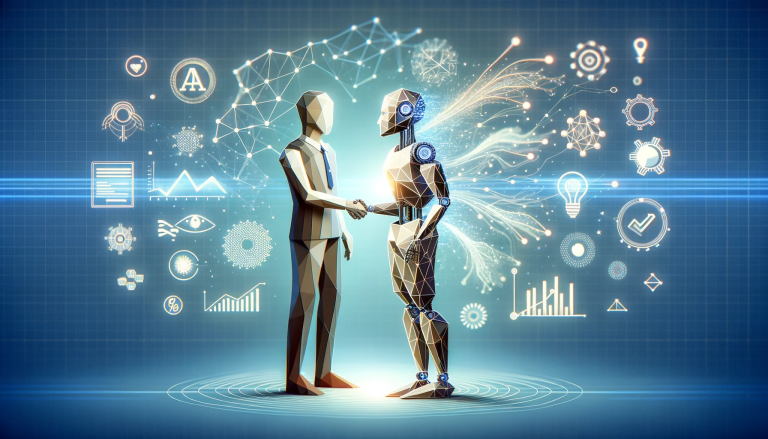
The most effective marketing strategies combine the strengths of both AI and human creativity. Rather than replacing marketers, AI acts as a powerful assistant that improves efficiency and supports decision making.
AI handles data analysis, automation, and optimization, while humans focus on creativity, storytelling, and strategic direction.
For example, a marketing team might use AI tools to analyze audience behavior and identify trending topics. Human marketers then transform these insights into creative campaigns that resonate emotionally with audiences.
This collaboration allows businesses to operate faster while maintaining authenticity and originality in their marketing messages.
Real World Examples of AI and Human Collaboration
Several global brands already use a hybrid approach that combines AI technology with human creativity.
Personalized Advertising Campaigns
Companies often use AI to analyze user behavior and determine which ads should appear to specific audiences. Marketing teams then design creative visuals and messaging that align with those insights.
Content Strategy Development
AI tools help identify trending search topics and analyze competitor content. Human marketers convert these insights into valuable articles, videos, and campaigns that strengthen brand authority.
Customer Experience Optimization
AI powered chatbots can handle basic customer inquiries. Human support teams step in when conversations require empathy, complex problem solving, or relationship building.
This balance improves efficiency while maintaining a positive customer experience.
Challenges and Ethical Considerations
While AI provides many advantages, there are also challenges associated with its use in marketing.
Over reliance on automation
Excessive reliance on AI generated content may lead to generic marketing messages that lack originality. Human oversight is necessary to maintain quality and brand authenticity.
Data privacy concerns
AI driven marketing relies heavily on consumer data. Businesses must ensure that data collection practices comply with privacy regulations and ethical standards.
Risk of bias in algorithms
AI systems are trained on historical data. If that data contains bias, marketing recommendations may reflect the same bias. Human review helps reduce this risk.
The Future of Marketing Creativity
Artificial intelligence will continue to play a growing role in marketing operations. Advances in machine learning and natural language processing are making AI tools more capable and accessible.
Even with these developments, human creativity remains the driving force behind powerful marketing campaigns. Technology can support creative work, but it cannot replace the human ability to connect with audiences through emotion, storytelling, and cultural understanding.
Marketing teams that combine advanced technology with strong creative thinking will likely achieve the best results.
Conclusion
Artificial intelligence and human creativity serve different but complementary roles in marketing. AI excels at analyzing data, automating repetitive tasks, and optimizing campaign performance. Human marketers contribute strategic thinking, emotional intelligence, and innovative ideas.
Rather than competing with each other, AI and human creativity work best when combined. Businesses that use AI to enhance efficiency while allowing human creativity to guide brand messaging and strategy are better positioned to build meaningful relationships with their audiences and achieve sustainable marketing success.
