How Social Platforms Are Reinventing Discussion in 2026
Over the past year, users expressed dissatisfaction with endless brand promotions, misinformation, and posts that felt increasingly disconnected from real life. In 2026, the way we talk, respond, and share information online is undergoing a significant shift, even as AI-powered algorithms seek to predict and influence which content we see and engage with.
Instead of the same-old-same-old, users now demand posts that sound more human, conversations that are worth joining, and spaces where opinions have a shelf life longer than the time it takes to scroll to the next post. As we navigate 2026, expect to see the evolution of social media platforms change to accommodate user needs and the rise of authenticity-driven engagement. So make sure you have a reliable internet provider, because social media is about to become much more interesting!

From Feeds to Forums
Social media platforms have long prioritized chronological, engagement-only feeds, making it difficult to have deep conversations or craft long-form replies (just look at X’s 280-character limit for free accounts). Endless, algorithm-based feeds encourage continuous scrolling, designed to give our brains a little dopamine hit every time we move to the next post. Because anger and outrage keep people engaged, algorithms often give negative posts more weight than positive news.
The results of this strategy are feeds that feel crowded, repetitive, depressing, and performative. Users are starting to become inundated with overwhelming news and are growing more aware of the negative effects of doomscrolling. As a result, social media platforms that offer deeper forums and community-based spaces are gaining in popularity.
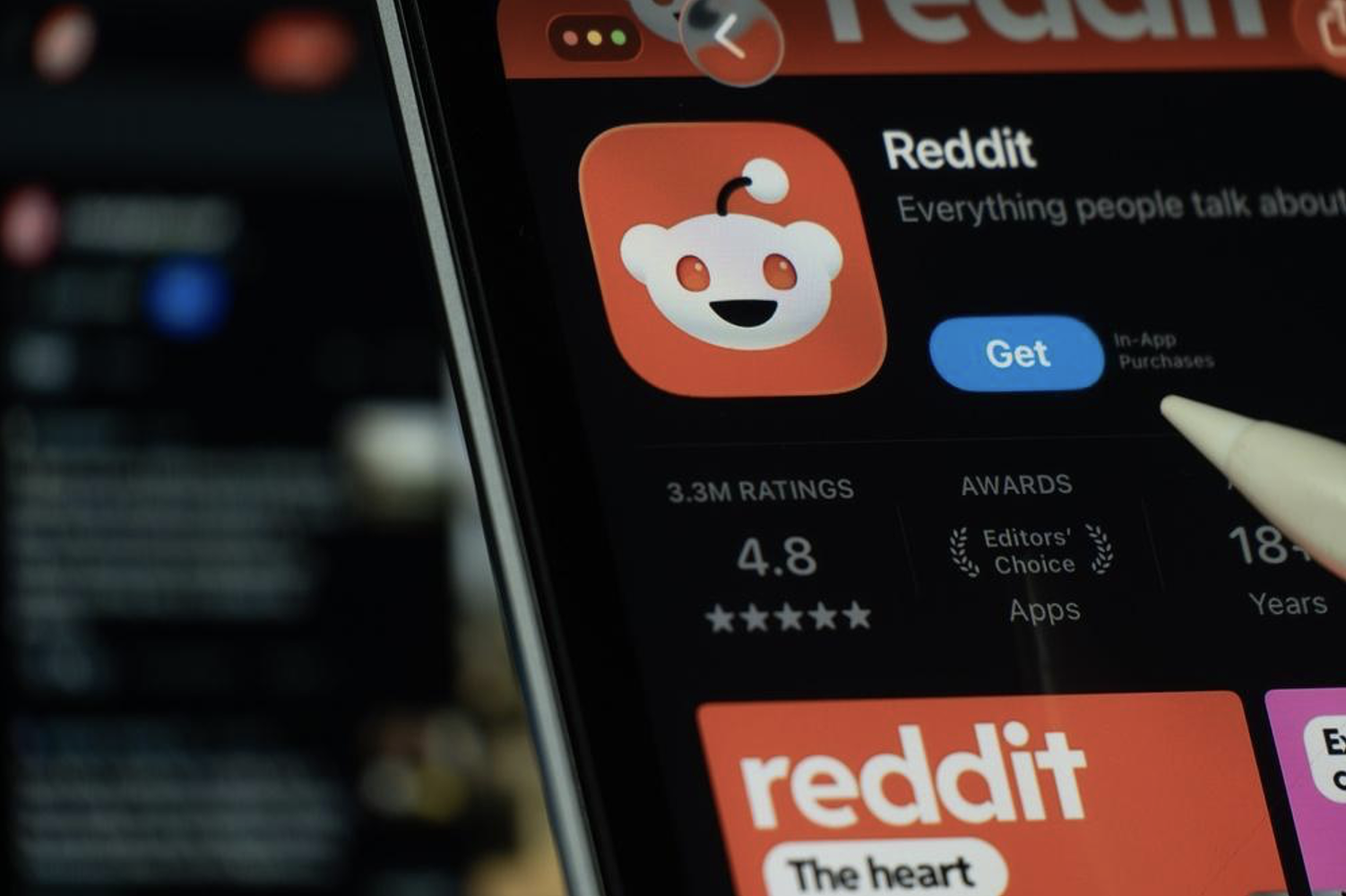
Users increasingly opt for smaller, trusted online communities built around shared interests. The popularity of forum-based social media platforms like Discord and Reddit reflects this change, as they allow users to engage in real conversations and build personal relationships. Unlike feed-based platforms, forum posts don’t disappear into an ever-changing feed of unrelated posts.
Equally important, forum popularity is not defined by follower counts or the drive toward virality. If you’re engaging and make good points, you’ll have no difficulty finding and maintaining meaningful conversations. Community moderation reduces the toxicity that infects so many feed-based social media platforms, and offers a calmer alternative to outrage-driven public feeds. (That’s not to say arguments, insults, and harassment aren’t possible, only that community members tend to self-police such behavior).

Algorithmic Curation and Conversation Quality
Social media platforms have begun to realize that trying to be all things to all people is a losing proposition. Instead of chasing scale for scale’s sake, platforms are moving away from broad, viral reach to relevance, context, and deeper interactions. More, faster content is out. Context that fits the platform’s audience is in.
Algorithmic curation — the process by which platforms select, organize, and present content — is fast becoming hyperpersonalized. Your feed will reflect your interests, habits, and even moment-to-moment intentions. How long you remain with a post, whether you save it, and whether you return will be more relevant than follower counts.
Under this new system, platforms combat user fatigue by giving you more control and allowing you to fine-tune your interests. Users can mute specific topics or switch between algorithmic and chronological views depending on their preferences.
As the evolution of social media platforms continues, expect them to take inspiration from search engines. Content that provides clear, direct answers to questions will have an advantage, as it directly affects conversations. The ability to identify and reduce AI-generated content helps support an authentic experience. Platforms will have less reach, but encourage more meaningful discussion and stronger communities.
The Rise of Niche and Interest-Based Communities
User preference for niche, interest-based communities in some ways hearkens back to the days before social media platforms, when message boards and forums were the norm. It’s an understandable backlash to years of large, noisy, one-size-fits-all platforms. Users are sizing down, choosing the coziness and sense of belonging that characterize smaller spaces. The priority has moved from volume to value, from reach to signal, and from general to specific conversations.
The shift didn’t happen overnight. Massive public feeds have defined social media since the early 2000s. What were once spaces where users could connect with anyone now feel crowded, impersonal, and exhausting. Even large platforms acknowledged the change. Facebook began pushing Groups years ago, while spaces like Subreddits on Reddit or Discord servers function as customized social hubs.
Expect to see even more niche-based communities. Already, film fans gather on Letterboxd, fanfiction writers congregate on Archive of Our Own, and neighbors connect through hyper-local networks like Nextdoor. Smaller spaces reduce information overload and encourage participation rather than passive scrolling.
Multimedia as a Discussion Tool
Multimedia has become a powerful tool for online discussion, changing not just what people say, but how they say it. Text is no longer the default. Voice notes, video replies, live reactions, and visuals shape conversations in ways that feel faster, more human, and more inclusive. While TikTok was the first platform to adopt multimedia as its primary form of communication, Instagram and X quickly followed.
Multimedia turns passive scrolling into active participation. Video replies let users respond with tone, expression, and context that text alone can’t capture. A short video can explain nuance, show emotion, or demonstrate an idea in seconds.
Not everyone communicates best through writing. Voice notes, visuals, and live video give more people a way to join conversations comfortably, leading to broader participation and more diverse perspectives. Live formats push discussions even further. Live feeds enable real-time feedback, follow-up questions, and audience interaction.
Overall, multimedia makes social media conversations quicker, more dynamic, and more relatable. It turns discussion into something you can see, hear, and respond to in the moment, not just read and scroll past.
How Technology Infrastructure Shapes Social Interaction
Real-time discussion depends on speed, stability, and low latency for full involvement. Users who want to take full advantage of evolving social media platforms should run an internet speed test to ensure they have the speed and reliability needed for multimedia interactions. High-quality internet connections, such as fiber internet, support richer media and live engagement, and are becoming the norm in heavily populated areas. Rural internet providers are increasingly offering fiber internet services, helping rural users bridge the digital divide.
What This Means for the Future of Social Media
What does all this mean for the future of social media platforms? Reach alone no longer assures platform success. The focus has shifted to conversations that feel responsive and intentional. Platforms can no longer see discussion as a byproduct; it is now the primary reason for their existence.
Micro-communities will become more commonplace, even on the larger platforms. AI algorithms will continue to push hyper-relevant content, with an emphasis on short-form videos and live feeds. Users can expect tailored experiences in niche communities. After two decades of overwhelming scrolling, the change is a welcome one.
This article has been published in accordance with Socialnomics‘ disclosure policy.