

Video Resumes: How to Stand Out in 2026
In a job market shaped by remote work, artificial intelligence, and global competition, traditional résumés are no longer enough to capture attention. By 2026, video resumes have moved from novelty to necessity in many industries. While a polished PDF still matters, candidates who combine it with a compelling video introduction often gain a powerful edge. A well-crafted video resume can showcase personality, communication skills, and confidence in ways that paper simply cannot.
Why Video Resumes Are Rising in Popularity
The shift began as companies increasingly adopted remote hiring practices through platforms like Zoom and Microsoft Teams. Recruiters became comfortable evaluating candidates on screen. At the same time, short-form video platforms such as TikTok and LinkedIn normalized professional storytelling through video.
In 2026, employers expect candidates to demonstrate digital fluency. Submitting a thoughtful video resume signals adaptability, creativity, and confidence with modern tools. For roles in marketing, sales, tech, education, customer service, and media, a video resume can be especially impactful.
However, standing out requires more than simply recording yourself speaking. Strategy, clarity, and professionalism matter.
What Makes a Video Resume Effective?
1. Keep It Concise
Attention spans are shorter than ever. Aim for 60 to 120 seconds. Recruiters review dozens — sometimes hundreds — of applications. A sharp, focused video respects their time and increases the likelihood that they will watch until the end.
2. Start With a Strong Hook
The first 10 seconds determine whether someone keeps watching. Instead of stating your name and job title immediately, lead with a value statement:
- “I help startups turn complex data into clear growth strategies.”
- “I specialize in building customer experiences that increase retention by 30% or more.”
This positions you as a problem-solver from the start.
3. Tell a Focused Story
Rather than listing skills, briefly share one or two achievements that highlight your strengths. Use a clear structure:
- The challenge
- The action you took
- The measurable result
This approach demonstrates impact instead of just potential.
4. Show Personality — Professionally
Video gives employers insight into how you communicate. Maintain eye contact with the camera, smile naturally, and speak with energy. Avoid memorized, robotic delivery. Authenticity builds trust.
At the same time, professionalism remains essential. Dress appropriately for your industry, choose a clean background, and ensure good lighting and audio quality.
Technical Quality Matters
In 2026, poor video quality signals a lack of preparation. You don’t need expensive equipment, but you do need:
- Clear audio (use an external microphone if possible)
- Natural or soft lighting
- A stable camera setup
- Minimal background distractions
Editing should be clean and subtle. Overuse of flashy transitions or loud music can distract from your message. The goal is clarity, not cinematic production.
Tailor It to the Role
Just as you customize a written resume, tailor your video resume. Research the company’s mission, culture, and values. Reference them naturally in your introduction.
For example, if applying to a sustainability-focused organization, highlight relevant projects or values. If pursuing a creative role, you might integrate subtle visual elements that demonstrate your design sense.
Generic videos feel impersonal. Specificity shows intention.

Integrating AI Thoughtfully
Artificial intelligence tools are now widely used in job applications, from resume screening systems to automated interview scheduling. Candidates may use AI to script or refine their talking points — but authenticity is crucial.
If your delivery sounds overly scripted or unnatural, recruiters may question your communication skills. Use AI as an assistant, not a replacement for your voice. Practice enough that your message feels conversational and confident.
Common Mistakes to Avoid
Reading directly from a script – This reduces engagement.
Being too long-winded – Respect time limits.
Oversharing personal details – Stay relevant to the role.
Poor lighting or sound – Technical distractions weaken credibility.
Failing to include a call to action – End by inviting the viewer to connect or schedule an interview.
A simple closing, such as, “I’d welcome the opportunity to discuss how I can contribute to your team,” reinforces confidence and professionalism.
Where to Share Your Video Resume
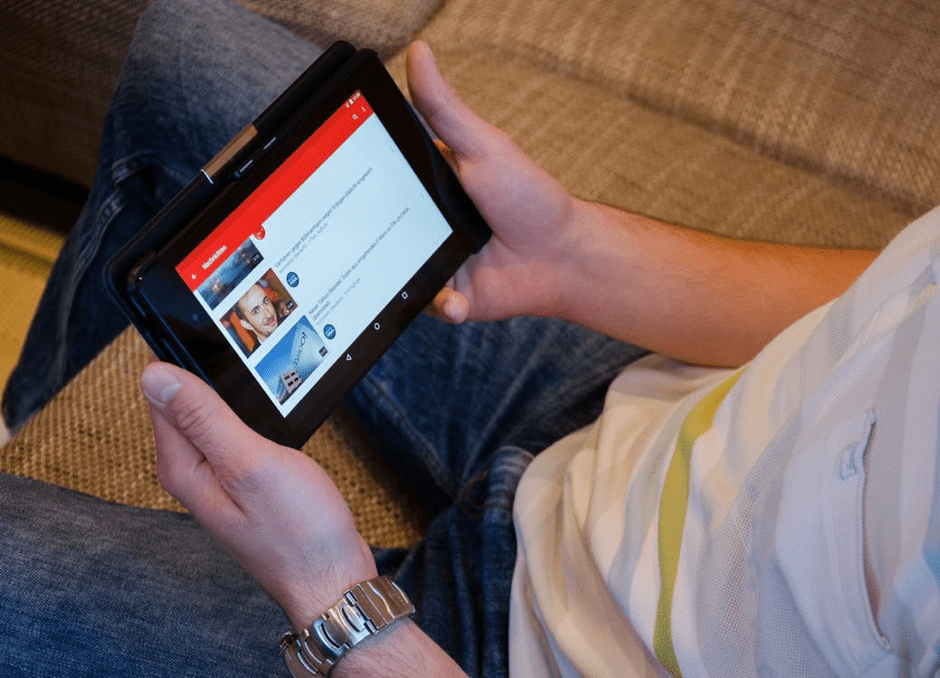
In 2026, candidates often include video links on their digital portfolios, personal websites, and professional profiles. Some upload unlisted videos to platforms like YouTube, while others host them directly on LinkedIn profiles.
Always ensure privacy settings are appropriate and test your link before submitting applications.
The Competitive Advantage
A strong video resume does more than summarize qualifications. It humanizes your application. Employers aren’t just hiring skills — they’re hiring collaborators, communicators, and culture contributors.
In a competitive 2026 job market, differentiation is essential. A compelling video resume demonstrates initiative and confidence. It shows you understand modern hiring dynamics and are willing to go beyond minimum requirements.
While not every industry mandates video resumes, the trend is unmistakable. Candidates who learn to present themselves clearly on camera will gain an advantage in interviews, networking, and personal branding.
Ultimately, the purpose of a video resume is simple: to make a memorable first impression before the interview even begins. When done thoughtfully, it can transform you from just another name in a stack of applications into a professional who already feels familiar, capable, and ready to contribute.
