

Consumer Trends in 2026: What Shoppers Want and Why It Matters
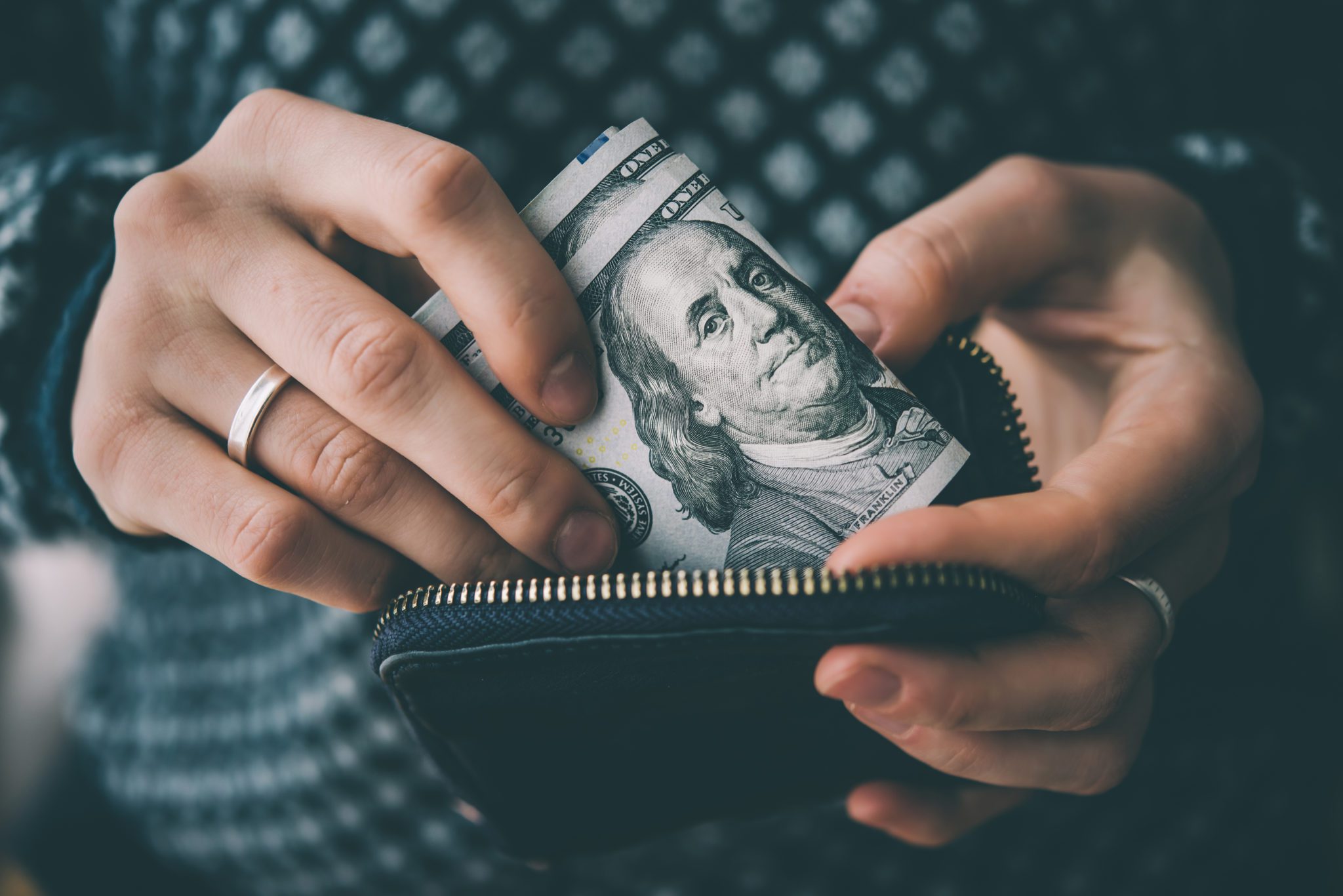 As 2026 unfolds, global consumer behavior is shifting in ways that reflect deeper economic pressures, technological breakthroughs, and new cultural values. Brands and businesses that understand these trends will be better positioned to connect with customers, drive loyalty, and thrive in an increasingly complex marketplace. From AI-powered commerce to a renewed emphasis on wellbeing and self-expression, the forces shaping spending today are as diverse as the consumers themselves.
1. Comfort, Value & Economic Reality
The economic backdrop of the mid-2020s continues to influence how people spend. Across many markets, consumers are prioritizing comfort and value in their purchases. With ongoing living-cost challenges and financial uncertainty, shoppers are more selective — spending thoughtfully on items that deliver emotional reassurance, everyday utility, and long-term satisfaction. Research indicates a global shift toward products that provide comfort and balance, as people seek emotional stability in uncertain times. Companies that offer simple, reassuring solutions — whether in food, home, or self-care categories — are likely to win trust and loyalty.
This value orientation also shows up in broader behavior: rather than abandoning brands altogether, many consumers are changing how they buy — opting for fewer purchases but not necessarily searching only for the cheapest options. Instead, “premium but rational” choices — where quality justifies spend — are performing well.
2. AI & Personalized Experiences
Artificial intelligence is no longer a futuristic add-on — it’s reshaping how consumers shop, interact with brands, and make purchasing decisions. In 2026, AI-driven personalization is becoming more sophisticated, moving beyond basic recommendations to predictive, emotion-aware experiences that interpret individual preferences, moods, and goals. Retailers leveraging AI to provide dynamic pricing, tailored offers, and predictive suggestions will stand out as customer expectations evolve.
What’s more, agentic AI commerce — where autonomous AI agents can search for, compare, and even complete purchases on behalf of consumers — is emerging as a major shift in retail. This moves shopping toward a model where consumers brief an AI once, and the AI handles repeat tasks like finding the best price or reordering favorites.
3. Rediscovering Physical Experiences
Despite the rise of digital interactions, consumers are showing renewed interest in in-person experiences. After years of digital-first engagement during the pandemic era, many people now crave real-world community and connection. Brands that offer meaningful physical experiences — whether through workshops, events, or immersive retail spaces — are finding deeper engagement and loyalty among customers.
This trend ties into a broader behavior shift away from passive consumption toward participation and connection. Consumers increasingly seek experiences that foster belonging, connection with peers, and memorable moments — trends that have profound implications for sectors from travel and hospitality to lifestyle retail.
4. Self-Expression and Identity
2026 consumers are embracing authenticity and individuality more than ever. Research shows that many shoppers want products that reflect personal values and unique identities rather than generic, one-size-fits-all offerings. Bold self-expression — whether through fashion, home decor, or digital personas — is becoming a defining force in how people choose brands.
This desire for personalized, expressive consumption intersects with hyper-segmentation: brands that tailor offerings to distinct groups and demonstrate genuine understanding of their audiences’ lifestyles will outperform those taking a broader, less nuanced approach.

5. Wellness Reimagined
Wellness in 2026 goes beyond simple fitness or diet trends. Consumers are increasingly integrating health optimizationinto their everyday lives — from precision nutrition and advanced therapies to everyday products that combine functionality with wellbeing benefits. Clinical-grade ingredients and tech-enabled wellness solutions are now expected in categories ranging from skincare to food and beverages.
Meanwhile, broader lifestyle trends such as increased protein consumption, focus on gut health, and preference for natural plant-based nutrition reinforce that consumers want choices that support overall health, energy, and longevity.
6. Creator-Led Commerce and Social Influence
The creator economy — once narrowly associated with influencer marketing — has matured into a powerful driver of commerce. A growing share of consumers now discover products through creators whose tastes and lifestyles they trust, blurring the line between content and commerce. Creator-led brands often enjoy higher engagement and loyalty because they are rooted in authentic personal stories and community-driven discovery.
This dynamic is especially strong among younger generations, where content platforms drive both inspiration and purchase decisions. Brands that collaborate with creators or embed shoppable experiences within social content are gaining traction with consumers who value connection and trust over traditional advertising messages.
7. Functional & Social Consumption Patterns
Beyond individual preferences, broader consumption patterns are reshaping social behavior. For instance, people are choosing more informal social occasions and placing a premium on shared experiences that feel relaxed and health-oriented — such as daytime gatherings or communal meals — rather than formal, traditional events. Food and beverages become part of social identity and well-being, not just sustenance.
