

5 Effective Strategies for Reducing Staff Churn in 2026
In 2026, companies must prioritise employee retention and implement effective strategies to reduce staff churn.
To better understand staff churn, also known as employee churn, companies need to recognise the difference between employee turnover and attrition. Turnover refers to the voluntary and involuntary employee departures that the company plans to rehire for, in a certain period of time. Meanwhile, attrition only includes voluntary departures, or those that occur naturally, such as retirement.
Staff churn is the total number of turnover and attrition cases combined in a specific period, reflecting the total number of employees leaving and entering the company.
A high staff churn rate is caused by several factors, including uncompetitive pay, poor management or leadership, a negative workplace culture, a lack of career advancement opportunities, inadequate employee recognition, and insufficient work-life balance. However, in some cases, such as when employees retire, staff departures can’t be avoided.
It is essential for companies to put measures in place to retain their staff as much as possible, as a high employee churn rate can:
- Be costly. It costs a significant amount to recruit, train, and onboard a new employee every time someone leaves the company.
- Damage business reputation. If it becomes public knowledge that a company has a high staff churn rate, top talent will likely stay away, as this indicates there is a problem.
- Damage workplace culture. With many employees coming and going, it’s difficult to maintain a positive, consistent workplace culture. In addition, it signals to employees that something is wrong, which can lead to further churn.
- Lower productivity. Employee churn often creates a skills gap within a team, placing additional strain on other team members who need to step in. This often impacts their productivity, the quality of their work, and their ability to complete tasks on time.
Now that we understand why reducing staff churn is important, let’s explore five proven ways to achieve this in 2026 and beyond.
 Create A Positive Onboarding Experience
80% of employees who have been undertrained throughout the onboarding experience plan to quit. One of the most effective ways to prevent employee churn is to create a positive onboarding experience that makes employees feel welcome and valued from the get-go.
Here’s how to create a positive onboarding experience:
- Plan ahead. Set up the employees’ workspace and give them access to any software or tools so they are ready for day one.
- Provide clear onboarding documents. Ensure all onboarding documents are clear and easy to understand, so they can learn about the company culture, values, and expectations.
- Assign a buddy or mentor. Pair them with a colleague who can be their friendly guide in the first few weeks, whether it’s helping them use the software or just showing them where the bathroom is.
- Introduce them to the team. Encourage team introductions so they know their colleagues’ names and who does what within the company.
- Check in regularly. Check-ins shouldn’t stop after onboarding, but it’s particularly important in the first few weeks to ask new employees how they’re settling in and address any concerns.
- Recognise early successes. If they’ve met even a small goal or target in the first few weeks, make sure it is recognised out loud so they feel valued.
Offer Clear Growth Opportunities
Companies should offer clear growth opportunities to all employees. Training, coaching, mentoring, and upskilling prove you are investing in their growth.
Ensure the training your company offers aligns with specific job positions, as this encourages employees to remain with the company as they grow, reducing your churn rate.
Recognise and Reward Employees
Recognising employees for their efforts and achievements helps them to feel valued, seen, and appreciated. There are a number of great ways to recognise or reward employees, including:
- Verbal recognition. This could be a shout-out in a team meeting or on social media, as well as a personal thank-you email.
- Monetary reward. This could be a monetary bonus, a gift card, or a gift.
- Employment bonuses. This could be the chance to secure a promotion or earn extra annual leave.
- Team rewards. If you are interested in rewarding the whole team, you could take them for lunch or organise an all-paid-for outing.
Recognition can leave a lasting impact on motivation and productivity, as it increases the employees’ desire to keep working hard and meeting goals. This leads to greater success for your company.
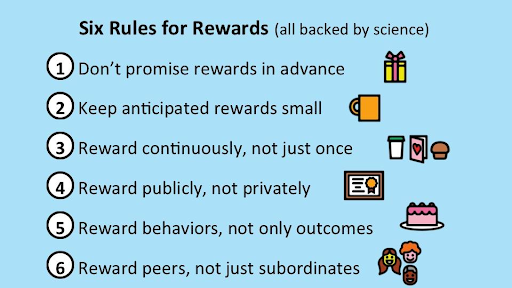
(Image Source: Forbes)
Make Sure Every Employee Has a Mentor
Mentors become a comfortable point of communication for employees, where they can discuss personal or workplace issues, receive feedback on their work, and set future goals.
In addition, mentorship encourages workplace bonds and stronger coworker relationships.
Introduce Flexible Working Arrangements
In 2026, more employees than ever will prioritise and seek flexible working arrangements that enable them to manage childcare and pets, avoid commuting during rush hour, and spend less time travelling to and from work.
This means it’s essential for companies to introduce flexible working arrangements, such as remote and hybrid roles, flexible hours, or compressed weeks.
91% of employers say they already offer flexible working arrangements, which means companies need to keep on top of this trend or risk staff leaving for better opportunities elsewhere.
Ready To Reduce Staff Churn in 2026?
Reducing staff churn is not just about company benefits; it’s about creating a workplace where employees are appreciated for their efforts, supported by colleagues, and motivated to stay with the company.
By focusing on positive onboarding, opportunities for growth, meaningful recognition, clear communication, and flexible working options, 2026 can be the year your employee retention rates thrive.
