

Australia’s Social Media Ban for Under-16s: A Historic First
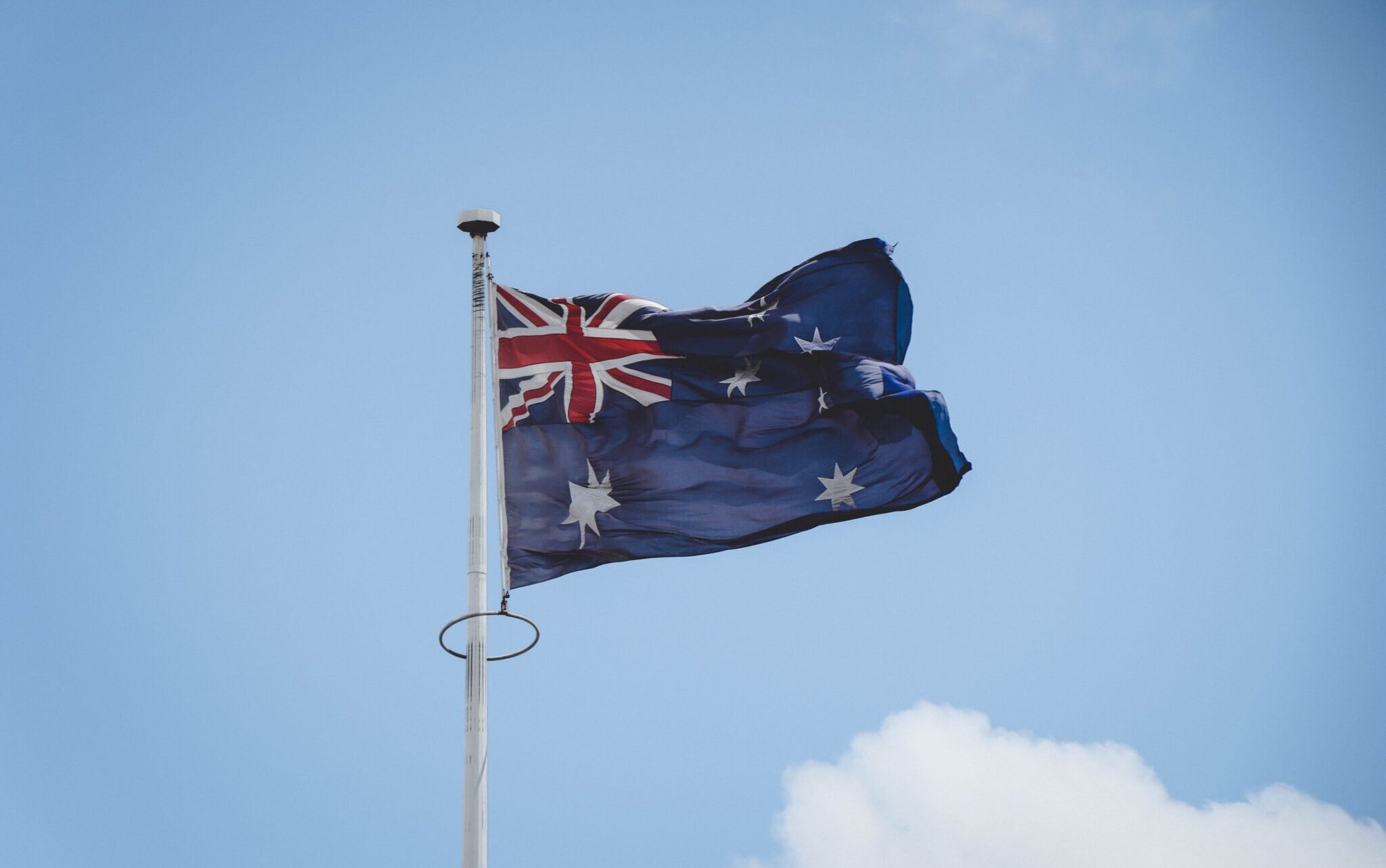
On December 10, 2025, Australia enacted a world-first law banning children under 16 from using major social media platforms. Under the Online Safety Amendment (Social Media Minimum Age) Act 2024, services such as TikTok, Instagram, YouTube, Facebook, Snapchat, X, Reddit, and several others must prevent under-16s from creating or maintaining accounts. Platforms that fail to comply face fines reaching up to A$49.5 million.
This policy marks a dramatic shift in digital regulation: for the first time, a major democracy is mandating a minimum age for social media access — rather than relying on parental supervision or platform self-regulation. Thousands of existing under-16 accounts will be deactivated, and new sign-ups from minors will no longer be permitted.
Why the Ban Was Introduced
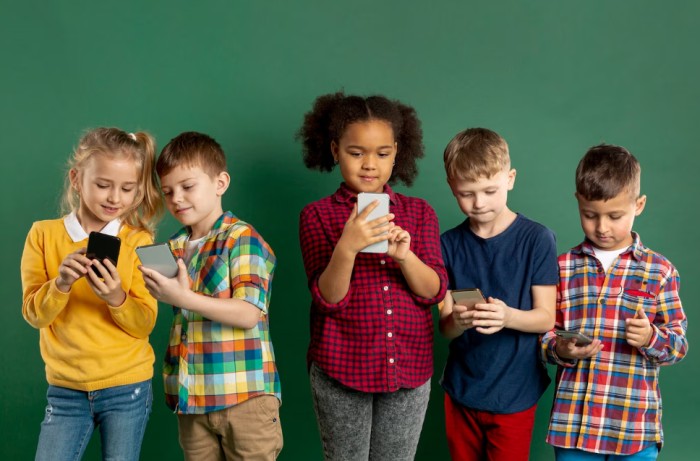
The government, advocacy groups, and many parents argued the move was necessary to protect children from the growing harms associated with social media: cyberbullying, exposure to misinformation, addictive usage patterns, and negative impacts on mental health and self-image. Australian officials said the ban is part of a broader effort to safeguard youth well-being and encourage offline socialization, especially as screen time and online pressures continue to rise.
Support for the ban appears robust: surveys indicate a majority of Australians support these legal restrictions for under-16s. Many parents, especially of younger children, welcomed the legislation as a tool to help manage screen time and reduce exposure to potentially harmful digital content.
How the Ban Is Implemented
Under the law, social-media platforms are required to use “reasonable steps” to screen and block under-16 users. Enforcement is overseen by eSafety Commissioner.
The platforms have begun a mix of age-verification methods — including date-of-birth checks, facial age estimation, selfie/ID verification, and behavioral-pattern analysis. Where underage users slip through, they are to be removed when identified.
Given technical, privacy, and logistical constraints, enforcement is expected to involve a transition period. Regulators and platforms have acknowledged that some minors may temporarily evade the ban, but authorities have committed to ongoing audits and removal efforts.
Reactions: Hope, Concern, and Uncertainty
- Supporters: Safety, Mental Health, and Focus on Real Life
Proponents — including many parents, mental-health advocates, and child-safety groups — view the law as a necessary safeguard. They argue that the ban may reduce exposure to harmful content, ease social pressure on kids, and encourage healthier offline activities such as sports, hobbies, or face-to-face socializing. Some hope the regulation will decrease sleep disruption, reduce cyberbullying, and help children build stronger real-world social skills.
- Critics: Digital Isolation, Privacy, and Implementation Gaps
But not everyone agrees. Many teens, advocacy groups, and civil-liberties defenders worry the ban may isolate young people, limiting their ability to connect with friends or access online communities — especially vulnerable or marginalized youth who rely on social media for support, self-expression, or creative outlets.
Others highlight practical concerns: age-verification is imperfect, and motivated minors may circumvent the restrictions using false data, alternate accounts, or VPNs. Some platforms were not fully compliant at launch day, prompting questions over enforcement efficacy.
Privacy advocates also caution that collecting or verifying age data — especially via facial recognition or ID — risks exposing sensitive personal information. Some believe the law represents overreach and could set a global precedent for further regulation of online speech and youth privacy.
What’s at Stake: Impacts and the Road Ahead
This law could reshape social-media use — not just in Australia, but globally. Already, other countries and regions are watching closely, and some are considering similar measures.
In Australia, the ban’s effects may ripple beyond under-16s. Teen content creators, youth-focused communities, and family dynamics may all shift. Marketers, app developers, and educators might need to adjust strategies and platforms. Regulators — including eSafety — will monitor the policy’s outcomes and report findings, potentially setting benchmarks for other countries.
The law’s long-term success depends on effective enforcement, responsible platform compliance, and supportive public-policy infrastructure: education for kids and parents, mental-health resources, and safe alternatives for youth socialization and creativity.
Conclusion: A Bold, Breakthrough — But Not Without Risks
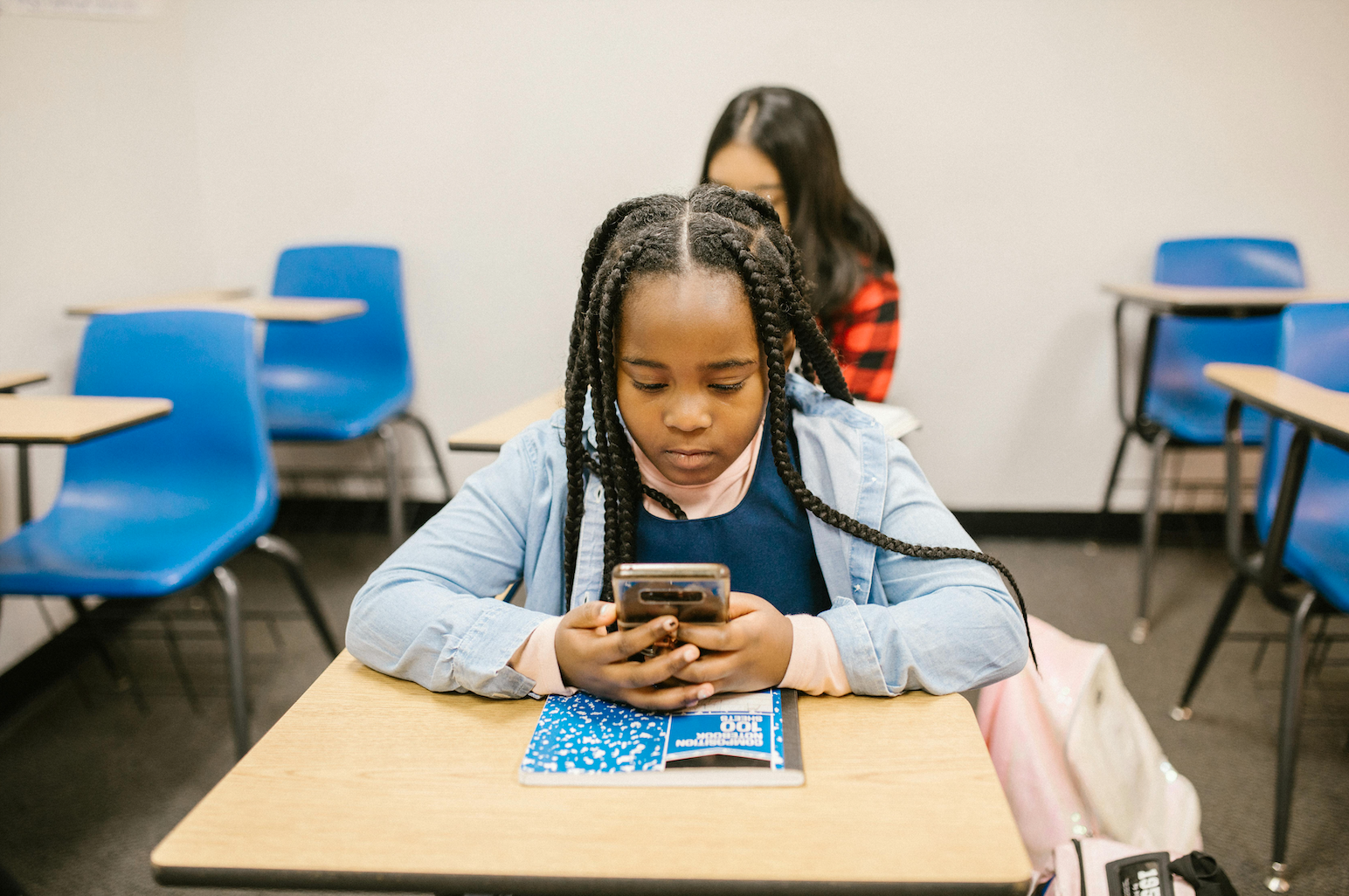
Australia’s new nationwide ban on social media for under-16s marks a historic turning point in how societies regulate digital access for youth. The legislation is a bold attempt to protect children from online harms, reduce risks tied to excessive or unsafe use of social media, and challenge dominant social-media business models that thrive on youth attention.
But the ban also raises important questions. Can platforms reliably verify age at scale? Will teens find workarounds and migrate to unregulated corners of the internet? Will the law erode opportunities for young people to build social connections, learn, create, or express themselves online? And can regulation strike the right balance between safety and freedom?
Only time — and careful monitoring — will answer these questions. As Australia embarks on this experiment, the world is watching.
