

Deepfakes: The Growing Threat of AI-Generated Misinformation
In the age of artificial intelligence, one of the most insidious threats isn’t a virus—it’s a video. Enter the world of deepfakes: highly realistic images, audio, or video generated by AI to depict events or statements that never happened. These manipulations are now being weaponised as a form of misinformation, posing serious risks to individuals, institutions, and the fabric of public trust.
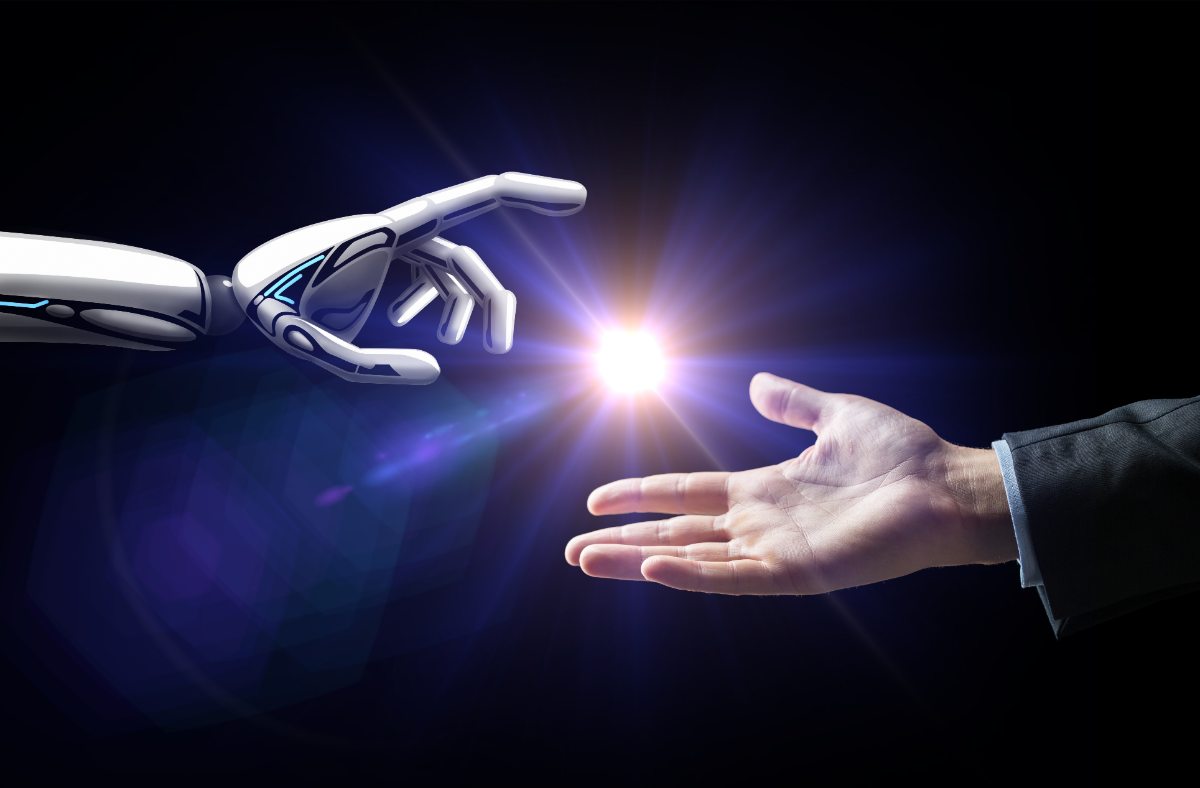
What are Deepfakes?
Deepfakes are synthetic media created using machine-learning techniques—often generative adversarial networks (GANs) or other AI models—to convincingly portray a person saying or doing something they never did. They go beyond old-school photo-shop: sound, motion, voice-cloning, and even expressions can all be faked, creating a “real enough” illusion to fool many people.
Why They Matter: Misinformation’s New Frontier
While fake news has been a challenge for years, deepfakes escalate the danger by adding a visual and audible authenticity that typical disinformation lacks. According to one government report:
“Malicious use of deepfakes could erode trust in elections, spread disinformation, undermine national security…” U.S. Government Accountability Office
And for businesses, the threat is real: fraudulent videos can impersonate executives, prompt bogus transfers, or mislead customers around brands. KPMG+1
Where We’re Already Seeing Harm
Politics & elections: Deepfakes could falsely show a public figure making inflammatory remarks, potentially influencing voter behaviour.
Corporate fraud & social engineering: Cyber-criminals can use deepfake audio or video to impersonate CEOs or other trusted figures and trick organisations into handing over sensitive information or funds.
Individual victims: Non-consensual pornographic deepfakes (especially of women) are alarmingly common—forming one of the darker sides of the technology’s misuse.
International security: Because deepfakes transcend borders, they can be used in influence campaigns, to destabilise trust or sow confusion globally.
The Scale of the Problem — and the Nuance
While the threat is serious, some researchers caution against panic. For example, a recent analysis found that AI-generated misinformation remains a relatively small fraction of all flagged misinformation—yet it spreads more rapidly.
Still, the combination of increasing realism and ease of distribution means the window for damage is growing wider.
What Can Be Done — Defences & Mitigation
1. Media literacy & awareness
Educating the public to question what they see and hear is foundational. With deepfakes becoming harder to detect—humans correctly identified synthetic audio only ~73 % of the time in one study—awareness is critical.
2. Technical detection tools
Researchers and companies are developing forensic tools that spot inconsistencies, metadata anomalies, or embedding of watermarks in media.
3. Policy & regulation
Governments are beginning to act: for instance, some countries are moving toward laws restricting the sharing of deceptive deepfake content.
4. Platform accountability
Social-media platforms must deploy strategies to label or limit manipulated media, tighten identity verification, and avoid becoming vehicles for viral deepfake spread.
Why This Matters For You
Whether you’re an individual, a brand, or part of an organisation, the deepfake threat is relevant:
You might unknowingly believe or share deeply misleading content, thus perpetuating harm.
Your personal image or voice might be misused without your consent, affecting your reputation.
For organisations, a single fake video or audio can hit finances, trust, or regulatory compliance overnight.
Looking Ahead
As generative AI tools become more accessible and realistic, the boundary between “real” and “fabricated” media will blur further. Without proactive action, the risk is that audiences will begin to distrust all media – real or fake – leading to a “liar’s dividend” where genuine evidence is dismissed as forgery.
The time for preparation is now: building resilience against deepfakes means blending awareness, technology, and policy.
Conclusion
Deepfakes represent an evolving threat in the misinformation ecosystem. While their prevalence today may be modest, their potential scale and impact are significant. By understanding how they work, the domains they threaten, and taking proactive steps to defend ourselves and our organisations, we can reduce the influence of what is, in effect, a new kind of weaponised illusion. If you like, I can pull together examples, statistics and detection tools for a follow-up or expanded article. Would you like that?
