What’s Hot—and What’s Not—in Apple’s New iPhone Lineup
Apple’s latest generation of iPhones has landed, and as always, the reactions are mixed: plenty of praise for what’s improved, alongside frustration over what still feels lacking. With the iPhone 17 series — including the regular model, Pro, Pro Max, and the slender new iPhone Air — Apple has made a number of hardware and software upgrades that address longstanding user requests. But some trade-offs will leave others wishing for more.
What’s New & What Stands Out
Some of the major upgrades in the latest iPhones include:
Display & Design Enhancements
All models now have a 120 Hz “ProMotion” display with adaptive refresh rates, which makes scrolling, animations, and general UI interactions much smoother. The base iPhone 17 finally gains always-on display features. (Source: Apple Insider)
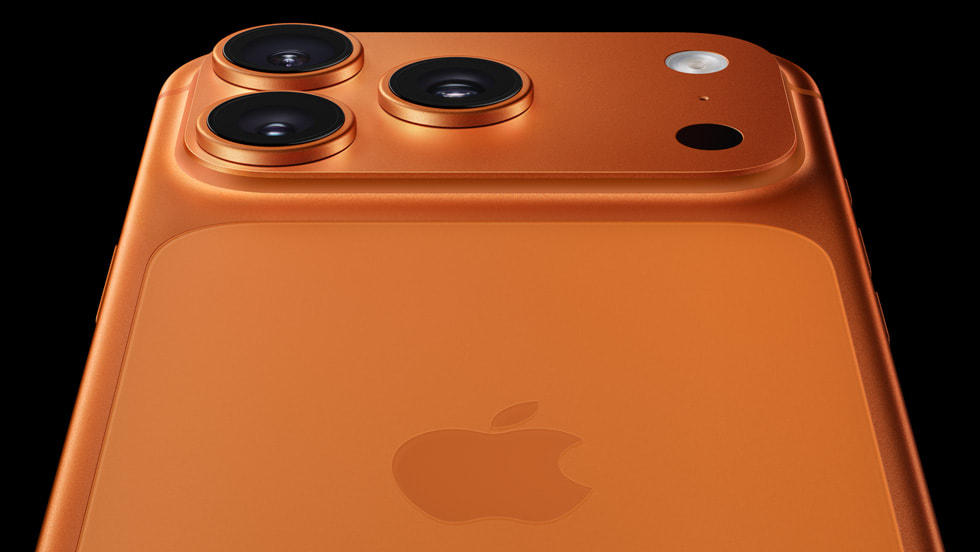
The Pro and Pro Max sport a new “Camera Plateau” design with a two-tone finish between glass and aluminum, as well as improved materials for better durability and thermal performance.
Camera Upgrades
The rear cameras have seen big improvements: better low-light performance, a more capable ultrawide, and in Pro models, a new telephoto zoom lens (with optical-quality zoom at multiple levels) that brings more flexibility for shooting distant or macro subjects. (Source: TV Tech)
Up front, the selfie camera is upgraded to 18 MP with a larger square sensor that supports Center Stage framing, meaning better and more stable selfies or video calls, especially with multiple people.
Performance & Battery Life
Apple’s new A19 / A19 Pro chips bring both speed and efficiency gains. The Pro models in particular have a more advanced cooling system (vapor chamber) to handle heat during intense tasks like gaming better. (Source: Wired)
Battery life has been improved, especially in Pro Max, which promises among Apple’s longest runtimes yet.
Software: iOS 26 and Other Features
The new version of iOS introduces a redesigned look (“Liquid Glass” design language), more dynamic lock/standby screens, updated widgets, and other refined UI/UX touches.
Some of Apple Intelligence tools are more baked in, though not universally across all models.
New Options: iPhone Air
The iPhone Air is being marketed as Apple’s thinnest iPhone ever (about 5.6 mm), with a sleek titanium frame and a lightweight design. It keeps many features of the “Pro” line (like the A19 chip, OLED display, etc.) but sacrifices some features, such as multiple rear lenses. (Source: TechRadar)
What Users Love
There’s a lot of applause for several changes Apple made:
1. Value Upgrades in Base Models
Many believe the standard iPhone 17 offers a better bang for the buck than usual. Keeping the base price stable (for certain markets), while doubling the base storage (to 256 GB) and giving upgrades like a 120 Hz display and an improved selfie camera, is seen as a win.
2. Better Display & Smoothness
The move to 120 Hz screens generally delights users — animations look cleaner, scrolling is smoother, and the always-on display gives convenience without much battery penalty for many.
3. Camera Enhancements
In particular, low-light shots are praised, and the improved front camera lets people take better selfies or do video chat more gracefully. For those who often use zoom or want flexibility, the upgraded telephoto in the Pro models counts as a significant gain.
4. Impressive Battery & Performance in Pro Max
Users who go for the Pro Max are particularly happy with its stamina — longer playback, better cooling (so less throttling under load), and solid performance for gaming and content creation.
5. Sleeker & More Stylish Options
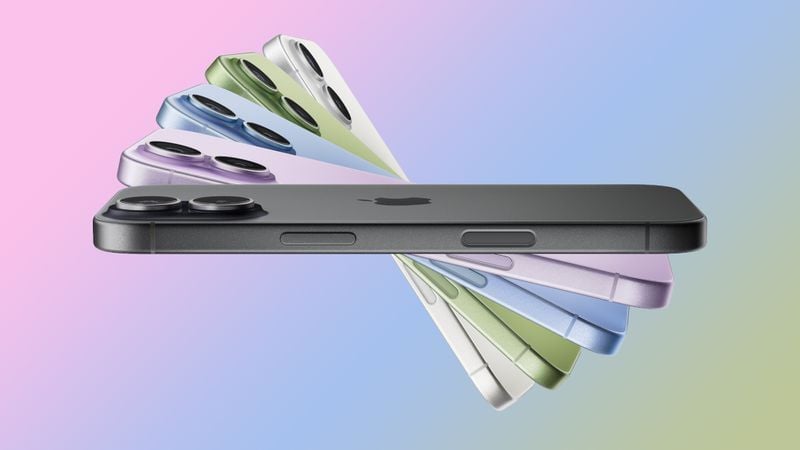
The new color finishes, the Camera Plateau design, more premium materials, and aesthetic tweaks get a lot of positive attention. Even design critics tend to say Apple managed to make the phones feel fresh without being wildly different.
What Critics and Users Dislike
Of course, not everything is perfect. Here are the major complaints:
1. Battery Life & Heat Issues in Non-Pro Models
While Pro Max performs well, thinner models (especially the ultra-thin Air) are said to sacrifice some battery capacity. Some users also report that the phones heat up under heavy use (games, high-brightness outdoor use).
2. Telephoto / Zoom Limitations in Base Models
If you don’t get a Pro model, zooming performance is weaker. The base model still relies heavily on digital zoom rather than a dedicated optical telephoto lens, which shows in image clarity at higher zoom levels.
3. Minimal Advancements in AI Compared to Rivals
Some reviews suggest that, while Apple is adding more “intelligence” features, the AI side (especially compared with Android competitors like Google’s Pixel line) doesn’t yet feel groundbreaking. People expected more in terms of features like real-time photo editing, more robust assistance, etc.
4. Design Trade-offs
The new Air is praised for its thinness, but that comes with compromises: fewer cameras, possibly a lower battery, and less of the premium feel that comes with heavier, more feature-packed models. Some users feel a thinner phone is aesthetically pleasing but less practical in everyday use.
5. Price vs. Premium Features
Pro and Pro Max models are expensive, especially at higher storage tiers. Some features are locked behind expensive models, making everyday users pay more to get “complete” functionality.
6. Bugs / Camera Artifacts
A notable issue: some users are seeing weird camera artifacts under certain lighting conditions (e.g. strong LED lights), like strange black rectangles or white lines appearing in photos. Apple has reportedly acknowledged these and is working on software updates. (Source: Cinco Días)
Who Should Buy—and Who Might Wait
Putting it all together, here’s who is likely to be happiest with Apple’s latest iPhones:
- Upgrade-minded users coming from older models (say, iPhone 13/14 or earlier) will see real gains in display, camera quality, battery, and performance. For them, the jump is meaningful.
- Photographers/content creators will almost certainly want the Pro or Pro Max models because of the telephoto improvements, better low-light performance, new video tools, and more storage.
- Style-first users who value slim design and aesthetics may be drawn to the Air, provided they can live with some trade-offs.
On the other hand:
- If battery life is your top concern and you can’t pay Pro-price, you might wait for price drops or fixes.
- If you expect cutting-edge AI features or extreme zoom without compromise, there are Android phones that are pushing certain boundaries more aggressively right now.
- And for everyone: bugs (camera artifacts, etc.) may affect user experience until addressed in software.
Conclusion
The newest iPhone lineup delivers impressive upgrades in display, camera, performance, and style. Apple has listened to many user requests — faster refresh rates, more storage, better selfie cams, more resilient materials — and made real strides, especially in the Pro and Pro Max models. But the thinner designs, premium pricing, and some feature gaps mean not everyone will feel the upgrade is worth it just yet. As with most Apple releases, the choice comes down to which trade-offs matter most to you.