The Rise of Quiet Social Media: How Letterboxd and Goodreads Redefine Online Connection
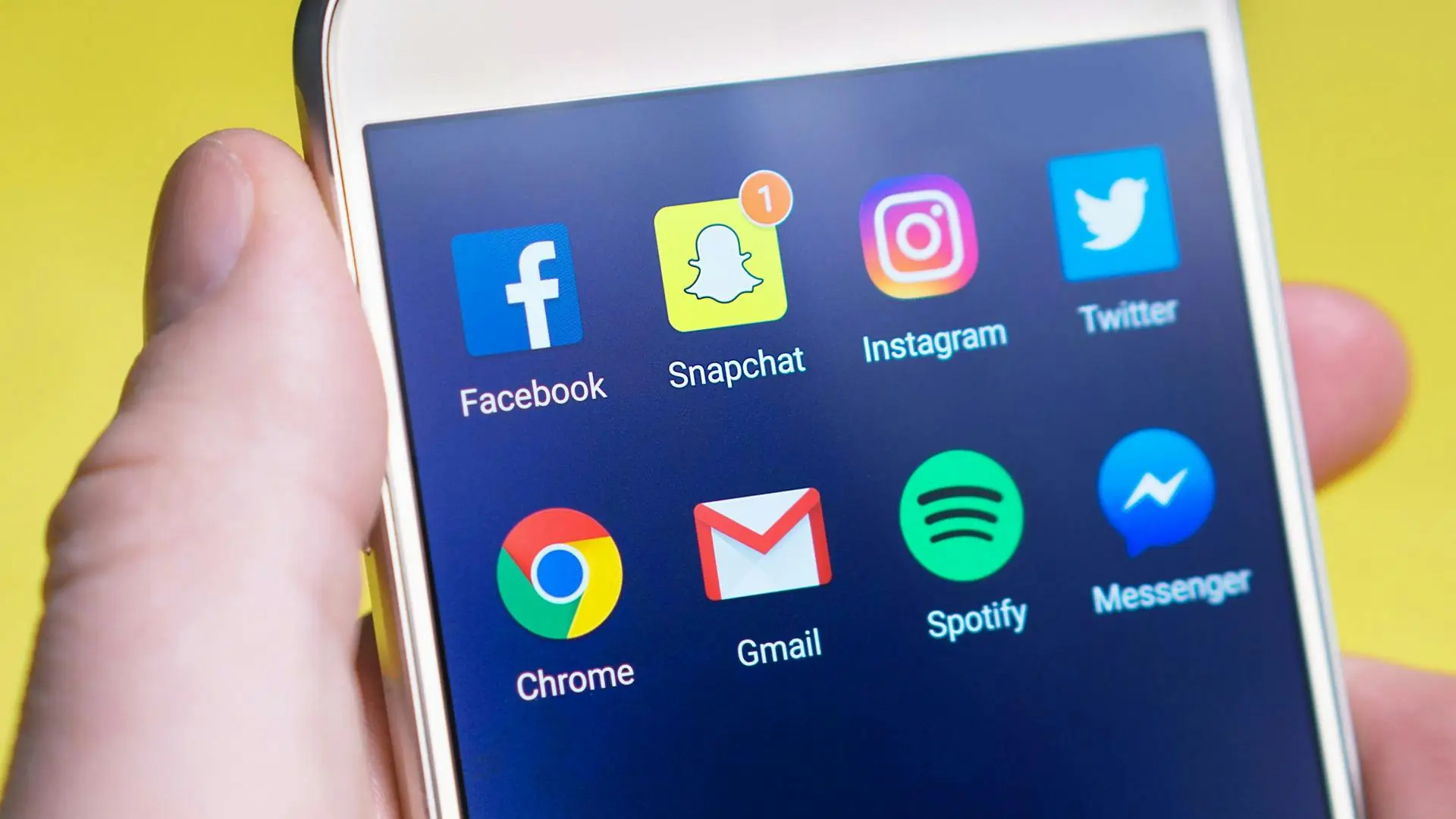
When most people think of social media, they picture the usual suspects: Instagram, Twitter, TikTok, Facebook. These are platforms built on fast-moving content, self-presentation, and endless scrolling. But in recent years another kind of online community has been growing steadily. Spaces like Letterboxd, a film logging and reviewing site, and Goodreads, the long-standing hub for book lovers, are proving that social media can exist in a different register.
Instead of revolving around selfies, trending dances, or viral news, these platforms are organized around cultural consumption: the movies we watch, the books we read, and the ways we interpret them. They are not free from performance, but the interaction that takes place there feels slower, more reflective, and less about chasing attention. In an internet ecosystem that often thrives on noise, platforms like Letterboxd and Goodreads offer a quieter alternative.
 Logging Life Through Culture
At their most basic level both platforms provide a simple utility. Goodreads allows readers to log the books they have finished, those they are currently reading, and those they hope to get to one day. Letterboxd offers a similar function for films.
On the surface that may sound like little more than a checklist, but in practice it taps into a very human impulse. People have always wanted to keep records, to build archives of what they have experienced. Instagram offered a visual diary of meals and vacations. Goodreads and Letterboxd become diaries of cultural life. The message is not here is what I look like but here is what I have been thinking about and engaging with.
Logging becomes a kind of memory keeping, a way of turning passive consumption into something more deliberate.
Community Without the Noise
Both platforms also contain thriving communities, though the energy feels different from traditional social networks. On Goodreads, readers join groups, follow one another’s progress, and leave comments on reviews. Letterboxd lets cinephiles follow their favorite critics, discover films through lists, and chat in comment threads.
The interaction is real, yet it resists the mechanics of virality that dominate elsewhere. A review can still travel widely, but the system is built around discovery and conversation rather than spectacle. Communities form not around influencers but around taste and curiosity.
This is one reason people find these platforms refreshing. They do not eliminate ego or competition, but they make space for a slower form of connection. Many users are there simply to find their next great book or film, and to share their excitement with others who care.
Taste as Self-Expression
Of course, even in these quieter spaces there is still an element of performance. Taste itself is a form of self-expression. A Goodreads profile filled with experimental literature or a Letterboxd page that celebrates obscure art films is a subtle identity statement. These sites let people construct cultural personas, showing not only what they consume but how they want to be perceived.
The performance, however, takes on a different flavor. It is less about aesthetics and more about intellect and curiosity. A film review can be witty or ironic, a book rating can be bluntly honest, but the stakes feel lower. A disagreement over a favorite novel is more likely to spark debate than hostility. Taste becomes a way of connecting rather than dividing.
Algorithms That Guide, Not Dictate
Another difference lies in the way these platforms handle recommendations. TikTok and Instagram push content designed to keep users scrolling. Letterboxd and Goodreads generate suggestions from what you have logged, rated, and what your friends are exploring.
This means that your feed is shaped by actual habits and real connections rather than by what the algorithm calculates will maximize attention. It is still a system of influence, but it feels more like guidance than manipulation. The result is an experience that places cultural participation above raw engagement.
Why This Model Matters Now
The appeal of these platforms is not an accident. It reflects a growing fatigue with the chaos of mainstream social media. Many people are tired of the polarization, the addictive design, and the constant pressure to perform. They want spaces that feel purposeful and nourishing rather than draining.
Letterboxd and Goodreads offer exactly that. They provide the dopamine hit of discovery, the intimacy of shared enthusiasm, and the satisfaction of building a personal archive. They remind us that online life does not have to be frantic to be fulfilling.
A Different Kind of Social Media
Some might hesitate to call Goodreads or Letterboxd social media at all, but that is precisely what they are. They are places where people connect, express themselves, and form communities. The difference is in the design. Instead of broadcasting our images, we broadcast our engagement with culture. Instead of chasing likes, we chase better stories, sharper criticism, and deeper conversations.
In that sense, these platforms suggest what social media could look like if it were built around reflection instead of performance. They are quieter, slower, and perhaps even more sustainable. And for many users that is exactly what makes them so compelling.