Post-ChatGPT Workplace: How AI Is Redefining Jobs
The workplace as we know it is undergoing a seismic transformation, and at the heart of this shift is artificial intelligence. Ever since ChatGPT and other generative AI tools entered the mainstream, businesses have begun reimagining roles, workflows, and even the very definition of productivity. We’re not just automating tasks anymore, we’re augmenting human capability.
So, what does the “Post-ChatGPT” workplace really look like? And how are employees and employers adapting to this new era?
From Tools to Teammates: The Rise of Generative AI in the Workplace
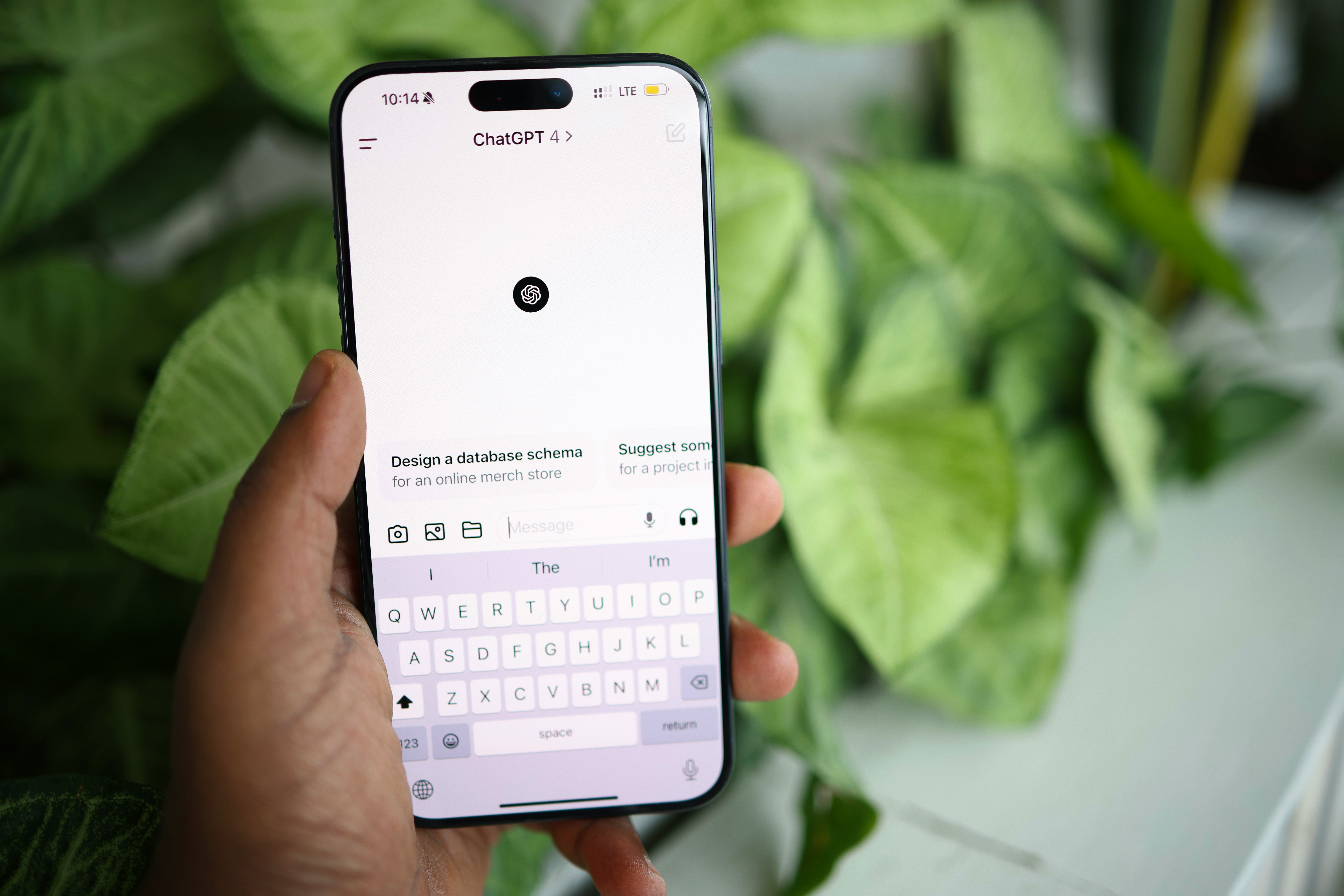
ChatGPT wasn’t the first AI tool in the workplace, but it was the one that got everyone’s attention. Overnight, employees from interns to executives began experimenting with prompts to summarize reports, draft emails, generate ideas, and even write code.
Since then, a flood of tools has entered the market:
- GitHub Copilot is writing code alongside developers.
- Jasper and Writer are creating content for marketers.
- Claude and Gemini are powering research, strategy, and automation across industries.
Rather than replacing workers outright, these tools are becoming digital teammates, boosting output, reducing mundane tasks, and enabling more creative, strategic work.
Redefining Roles Across Departments
AI is reshaping jobs not by eliminating them, but by changing their scope and focus. Here’s a look at how different roles are evolving:
Marketing & Content
Marketers are using AI to draft newsletters, optimize SEO, analyze customer sentiment, and A/B test creative concepts. The focus has shifted from creating content to curating, refining, and aligning it with brand strategy.
Software Development
Developers now work faster with AI code completion, bug detection, and documentation tools. Instead of writing every line manually, they act as architects, reviewing, guiding, and optimizing AI-generated code.
HR & Recruiting
AI is speeding up resume screening, skills-matching, and even candidate outreach. HR professionals now spend more time on culture fit, coaching, and employee well-being—areas where human judgment still reigns.
Customer Support
Chatbots and AI assistants are handling common queries instantly. Support teams are moving up the value chain, focusing on complex issues and building long-term customer relationships.
Upskilling: The New Corporate Imperative
As AI transforms jobs, one thing is clear: reskilling and upskilling are non-negotiable.
- A 2024 LinkedIn report found that 73% of professionals believe AI will significantly change their job in the next 5 years.
- Companies like IBM and PwC have invested heavily in internal AI literacy programs to keep their teams future-ready.
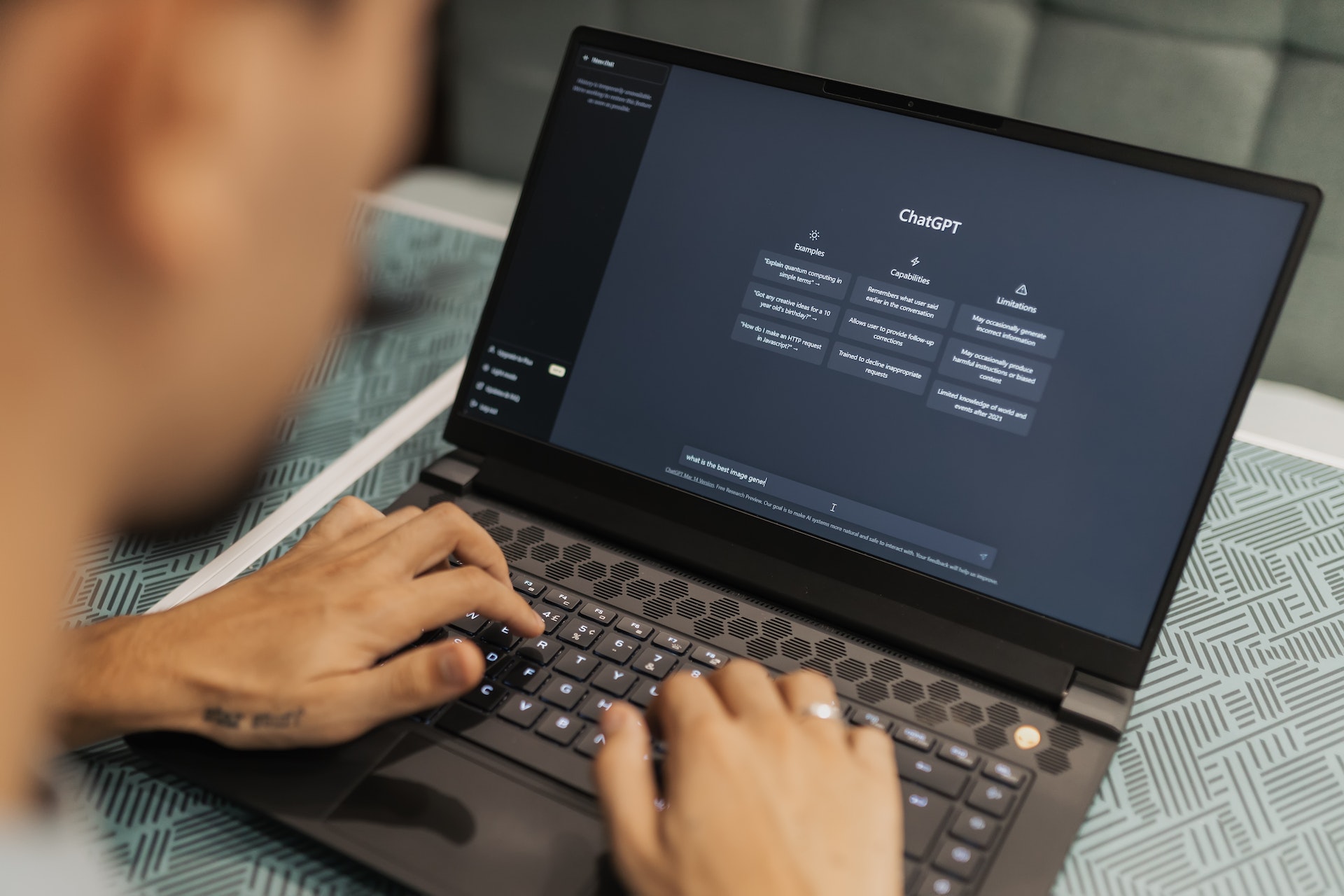
The modern professional needs not only technical skills but also prompt engineering, AI tool fluency, and the ability to collaborate with intelligent systems.
The Emotional Shift: Trust, Anxiety, and Empowerment
Not all change is met with enthusiasm. For many employees, AI brings uncertainty and anxiety—Will my job be automated? Will I become obsolete?
Leaders have a critical role to play here:
- Communicate transparently about how AI is being adopted.
- Involve employees in the process (AI champions, pilot programs, feedback loops).
- Celebrate how AI enhances human potential, rather than diminishes it.
When employees are empowered, not just exposed, to AI—they lean in, not out.
New Jobs Are Emerging—Fast
While some roles are evolving, others are brand new. The AI-powered workplace is spawning a new wave of job titles:
- AI Prompt Engineer
- Automation Strategist
- AI Ethics Officer
- Machine Learning Product Manager
These roles didn’t exist five years ago. In the post-ChatGPT era, adaptability is a superpower.
Conclusion: Human + Machine = The Future of Work
The post-ChatGPT workplace is not a sci-fi vision—it’s already here. AI isn’t the end of jobs; it’s the start of better, more human-centered ones. When we let machines handle the repetitive tasks, we free up space for what truly makes us human: creativity, empathy, collaboration, and critical thinking.
The future of work is not human versus AI. It’s human with AI.