How Fill-PDF-Online Tools Are Powering the New Wave of Cloud Business
SoftwareCloud business software has evolved beyond storage, communication, and analytics platforms. The next frontier in digital transformation lies in document intelligence and real-time data capture, where PDF automation tools play a central role. No longer static files, PDFs have become dynamic business assets that integrate seamlessly with modern cloud ecosystems. Among these, fill-PDF-online platforms are emerging as essential components of cloud software, enabling businesses to streamline workflows, enhance accuracy, and reduce manual intervention.
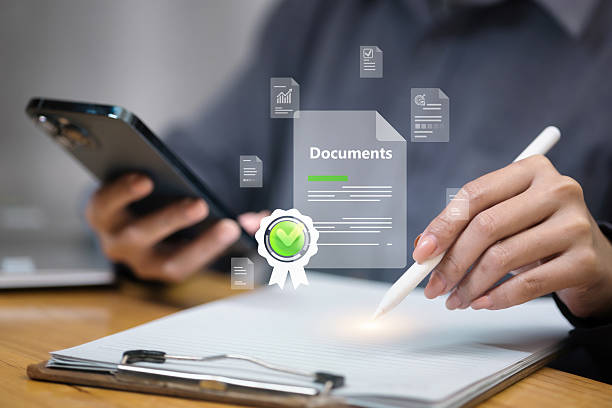
The Shift from Traditional Software to Cloud-Powered Document Workflows
Businesses today operate in a distributed environment, where teams collaborate remotely, customers submit documents digitally, and regulatory compliance demands structured record-keeping. Traditional desktop applications struggle to support these needs efficiently. This has led to a software revolution where document handling is cloud-native, automated, and accessible from any device. In this environment, PDF tools have evolved to match the agility and scale of cloud business platforms.
A key catalyst of this shift is the rise of platforms that allow users to fill PDF online, edit documents instantly, and process data without downloading software. These tools align perfectly with the expectations of business and technology audiences speed, accessibility, automation, and integration.
Why Fillable PDFs Are Becoming a Core SaaS Infrastructure Component
PDFs are widely trusted across industries due to their consistent formatting, security options, and universal compatibility. However, their real business value emerges when they transform into fillable PDF documents. Fillable PDFs convert unstructured paperwork into structured data collection templates, making them ideal for automated cloud workflows.
From HR teams collecting employee onboarding forms to compliance departments processing income verification, digital PDFs enable businesses to standardize input, reduce errors, and store validated data in a format that cloud software can interpret and scale.
Moreover, businesses actively seek tools that support fill PDF for free or provide cost-effective editing options. This has expanded adoption rates, especially among startups and SMEs that rely on flexible SaaS solutions to scale operations efficiently.
PDF Editor Tools: The Productivity Layer Modern Cloud Software Needed
Modern PDF editor tools are not just editing interfaces; they act as productivity engines within larger cloud systems. They support text input, signature fields, checkboxes, date stamping, formatting adjustments, and secure exports, all in real time. These capabilities have turned PDF platforms into a vital software category for business tech stacks.
Businesses using cloud platforms demand document tools that offer:
- Real-time PDF editing without software installation
- Collaborative form completion
- Secure document handling
- Multi-device accessibility
- Integration with cloud storage, CRM, HRMS, and compliance platforms
- Version control and audit-ready exports
PDF editors satisfy these needs, functioning as the connective tissue between cloud software modules and business documentation requirements.
How PDF Online Fillers Are Transforming Business Operations
The adoption of PDF editing platforms that support cloud-based form filling is reshaping business operations in several ways.
First, these tools eliminate geographic barriers. A sales contract created can be edited and completed without file distortion. Teams can update invoices, compliance forms, and verification records using secure cloud dashboards instead of manual paperwork exchanges.
Second, these platforms enhance workflow automation. Fillable PDFs allow software to extract standardized inputs efficiently, enabling downstream automation through OCR, AI validation, and database ingestion. This makes PDF tools essential in industries focused on identity verification, compliance automation, and financial documentation.
Third, they improve operational speed. Business software users expect rapid turnarounds. The ability to fill PDF online and edit instantly accelerates approval cycles, reduces bottlenecks, and supports automation at scale.
The Competitive Edge for Tech-Forward Businesses
Technology websites increasingly spotlight tools that enhance business automation, SaaS innovation, and AI-driven workflows. PDF tools fit naturally into these narratives by enabling businesses to adopt smarter document intelligence layers.
Companies using cloud software integrated with PDF editor platforms benefit from:
- Reduced human errors through standardized input fields
- Faster document turnaround cycles
- Improved security through encrypted cloud access
- Better compliance audit trails
- Centralized cloud-native storage and retrieval
- Seamless software integrations
These advantages make PDF editor tools a compelling topic for both business decision-makers and tech adopters.
PDFs and the Future of Cloud Business Software
The future of cloud business software is shifting toward document intelligence, automation, and structured data capture. PDF tools are evolving into AI-compatible input interfaces, fueling machine learning models, compliance automation, and fraud prevention systems.
In industries such as fintech, HR tech, insurtech, and digital compliance, PDF tools serve as standardized data input layers that feed AI systems with clean, validated datasets. This trend signals a new era where PDFs are no longer outputs of software; they are inputs that power software intelligence.
For instance, platforms offering edit and fill PDF for free help companies digitize customer intake forms, regulatory submissions, and verification documents without additional software overhead. These tools are democratizing access to document intelligence and enabling SMEs to compete at the same scale as enterprises.
How PDF Tools Align with Business and Technology Website Audiences
Business websites prioritize efficiency, digital transformation, compliance, and cost savings. Technology websites emphasize SaaS innovation, cloud accessibility, AI readiness, and automation. PDF online fillers bridge both interests effortlessly.
This makes the topic especially valuable for editors covering:
- SaaS software trends
- Cloud productivity tools
- Business process automation
- Fintech and compliance tech
- Digital identity and verification software
- AI-powered document ingestion layers
The Role of Free PDF Fillers in Scaling Digital Businesses
Cost-effective solutions are a defining theme in the new wave of cloud software. Platforms that allow users to fill PDF online or fill PDF for free are gaining traction due to their ability to support business documentation at scale without requiring expensive licensing.
These tools are helping companies:
- Digitize paperwork into cloud-native input formats
- Standardize document collection
- Eliminate dependency on offline processes
- Maintain secure, audit-ready documentation
- Scale operations without hiring additional administrative staff
For startups, especially, the availability of tools that support filling PDFs for free gives them a competitive advantage when building document-heavy workflows such as income verification, vendor onboarding, customer KYC submissions, and digital business compliance records.
Conclusion: PDFs Are the New Intelligent Input Layer for Cloud Business Software
The rise of fill PDF online platforms marks a significant shift in the software landscape. These tools are powering the next generation of cloud business software by enabling real-time document completion, structured dataset creation, secure cloud storage, and seamless software integrations.
For business leaders, PDFs deliver accuracy, compliance, and operational speed. For tech adopters, they provide cloud-native automation, AI-readiness, and software flexibility. As cloud software continues to evolve, PDF editor tools will remain one of the most impactful productivity and automation layers shaping the future of digital business ecosystems.