

The Dark Side of AI Celebrities: Why Synthetic Fame Cannot Replace Human Art
Artificial intelligence is rapidly blurring the boundaries between tool and persona, audience and illusion. We’re no longer just generating text or enhancing images—we’re creating simulated identities that walk, talk, smile, collaborate with brands, and build followings. AI-generated influencers like Tilly Norwood are becoming cultural fixtures, accumulating fans and earning sponsorships. But beneath the novelty lies a deeper concern: AI personas may be fundamentally reshaping how society views authenticity, creativity, and relationships.
At first glance, these digital figures seem like technological wonders. They’re consistent, always camera-ready, and incapable of scandals or burnout. But what makes them appealing also reveals a cultural void: the growing prioritization of polished digital engagement over genuine human expression.
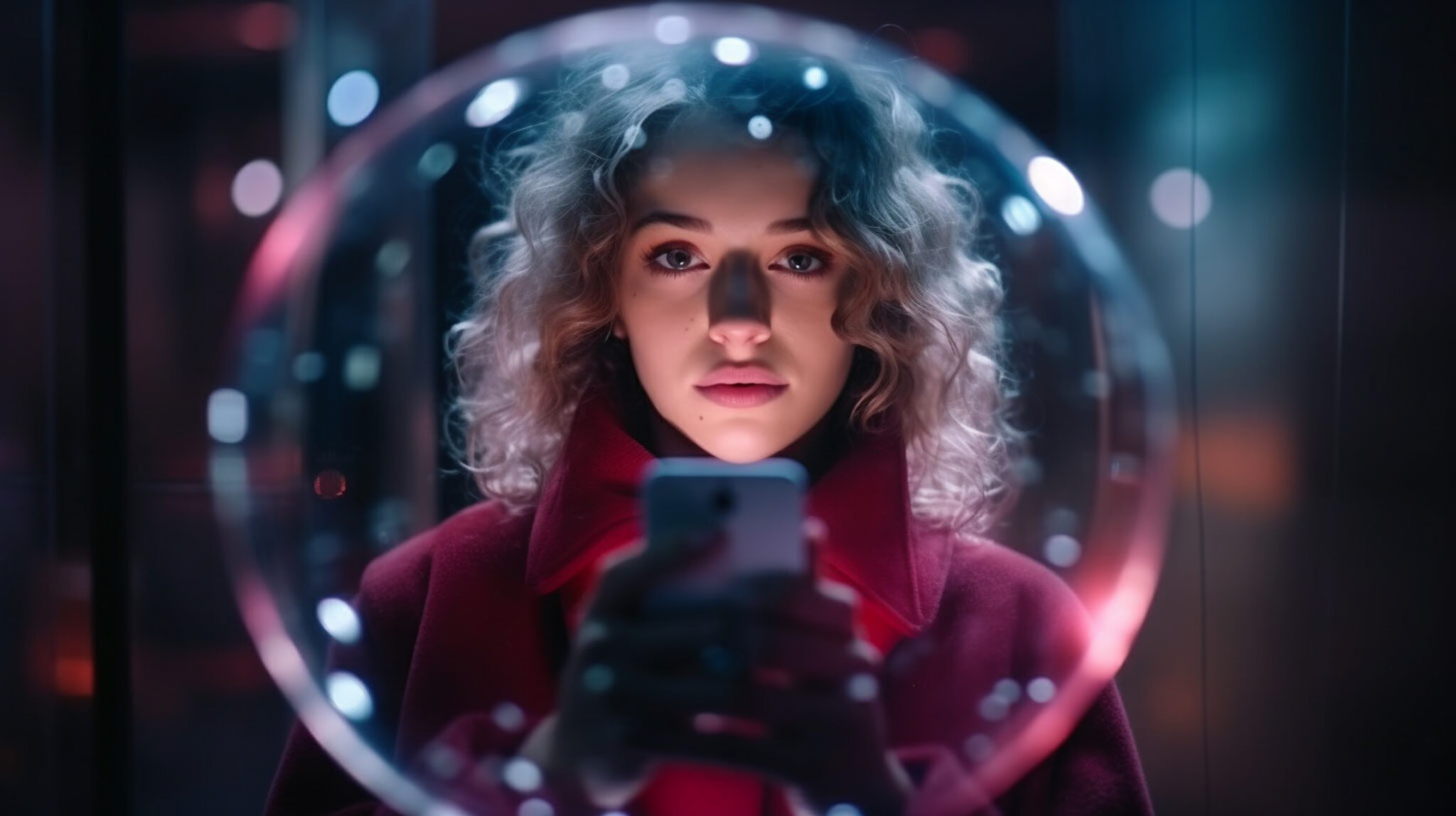
The Illusion of Authenticity
Traditional influencers and celebrities, flawed as they are, reflect real experiences. They age. They face public mistakes. They learn. Their art, however curated or performative, is grounded in lived perspective.
AI influencers like Tilly Norwood simulate this. She can appear charming, witty, opinionated—but she is not feeling anything. She doesn’t dream, doesn’t doubt, doesn’t struggle. Everything about her is constructed—expressions, phrasing, posture—optimized to maximize engagement.
Human authenticity has texture: uncertainty, contradiction, vulnerability. AI has no vulnerability—only performance designed to mimic it.
When audiences engage with synthetic personalities, they may unknowingly shift their expectations of what expression should look like. The subtle, imperfect qualities that make human interaction meaningful may be replaced by sanitized, machine-generated emotional facsimiles.
Economic Displacement of Real Creative Workers
AI celebrities exist in a marketing economy where attention equals money. And AI personalities provide corporations with a strategic advantage:
- They don’t need salaries
- They don’t require contracts
- They don’t age or develop boundaries
- They don’t assert creative ownership
The artistry of human modeling, acting, speaking—forms that require craft and personal investment—is increasingly sidelined.
Instead of hiring real creators with voices, opinions, and lived identities, companies can simply fabricate a persona that costs less and performs more consistently. Humans become liabilities; AI personalities become assets.
The very industries built on human imagination—fashion, film, advertising, storytelling—risk becoming simulations of creativity rather than expressions of it.
The Psychological Consequences of Synthetic Companionship
Parasocial relationships are nothing new—we’ve long developed emotional bonds with fictional characters or distant celebrities. But something different happens when the personality is algorithmically adaptive. AI influencers can analyze comments, sentiment patterns, and user engagement to adjust responses in real time.
The result isn’t just emotional attachment—it’s emotional orchestration.
A human influencer might respond sincerely—or awkwardly, or clumsily, or not at all. An AI persona responds strategically, manipulating engagement with mathematical precision.
This is not connection—it’s behavioral shaping.
If our emotional lives increasingly include relationships with entities incapable of feeling, we risk normalizing superficial attachment and weakening the ability to build real interpersonal connections.
The Case for Real Art – and Real Imperfection
Art—real art—is not produced by optimization. It emerges from friction: insecurity, memory, conflict, crisis, joy, loss. A human painter reveals childhood influences. A poet bleeds heartbreak into language. A musician pulls melody from a wounded place.
AI can imitate brush strokes or rhyme patterns—but it cannot create sentiment. It can fabricate facial expressions—but it cannot contain emotional interiority.
And perhaps most importantly: humans connect through imperfection.
People are drawn to singers who crack on a note, actors who stumble, influencers who confess insecurity, and artists who fail publicly and try again.
These fragile elements are not weaknesses—they are proof of humanity.
If culture shifts toward worshiping perfectly engineered personalities, we risk elevating artificial charisma above authentic voice, replacing real emotional resonance with the comfort of algorithmic predictability.
Keeping Humanity at the Center
Tilly Norwood and her digital counterparts are technological artifacts—but they cannot be cultural leaders. They can perform human traits, but they cannot experience them. And experience is the bedrock of expression.
As consumers, we should support real creators: artists with biographies, musicians with lived influences, actors with histories, storytellers with scars. And as a society, we must value the irreplaceable qualities of human expression: empathy, fallibility, intuition, surprise.
Because in the end, culture is not sustained by flawless avatars. It is sustained by the flawed, unpredictable, emotional, beautifully unstable reality of human beings creating and connecting with one another.
That is something no algorithm can simulate—and something too precious for us to surrender.
