

How AI Is Reshaping Digital Marketing Strategies in 2026Artificial
Intelligence (AI) is no longer just a buzzword in digital marketing; it is a game-changer that is redefining how businesses connect with customers, create campaigns, and optimize performance. From predictive analytics to hyper-personalized experiences, AI has evolved into a crucial tool for marketers seeking growth and efficiency. As 2025 unfolds, AI continues to accelerate innovation, helping brands stay competitive in a rapidly changing digital environment.
The Rise of AI in Digital Marketing
AI has transitioned from a futuristic concept to a mainstream technology powering some of the most successful marketing campaigns worldwide. Marketers now rely on AI to analyze customer behavior, predict buying patterns, and automate time-consuming tasks. This shift has enabled businesses to deliver smarter campaigns and stronger results with less manual effort.
AI in digital marketing refers to the use of intelligent algorithms and data-driven tools to enhance decision-making, improve targeting, and deliver tailored experiences. By processing large volumes of data, AI provides marketers with valuable insights that were previously difficult or impossible to obtain. This transformation supports a more ethical and customer-focused approach, aligning closely with the Societal Marketing Concept, which emphasizes creating value for both customers and society while driving business growth.
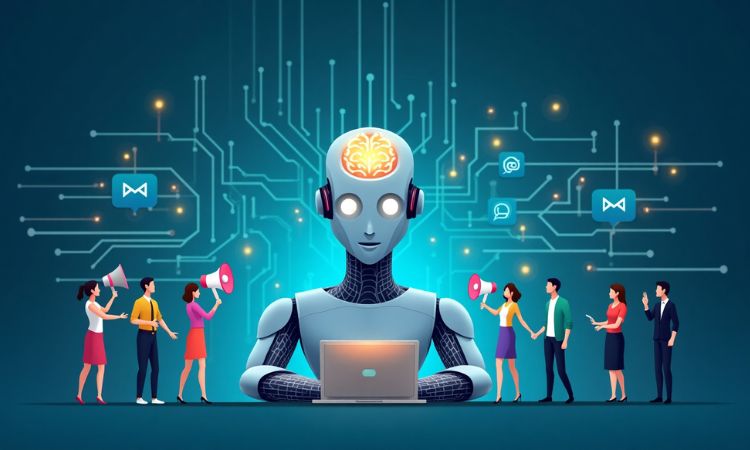
Predictive Analytics: Turning Data into Insights
Predictive analytics is one of AI’s most powerful contributions to marketing. By analyzing historical data, AI identifies trends and forecasts future outcomes, helping marketers make better decisions. Brands can predict customer behavior with remarkable accuracy, including which products are likely to sell, when customers are most likely to buy, and how they will interact with campaigns.
The ability to anticipate demand allows businesses to adjust their strategies and marketing budgets accordingly. Predictive models also optimize the timing of campaigns, ensuring that messages reach audiences at moments when they are most likely to engage. A report by Forrester revealed that 67 percent of marketing leaders already use or plan to use predictive analytics, underscoring its growing role in the industry.
AI-Powered Personalization and Customer Engagement
Personalization has always been a goal in marketing, but AI has elevated it to new heights. By analyzing browsing history, purchase behavior, location data, and social media activity, AI algorithms create highly customized experiences for each individual.
In 2025, personalization goes beyond addressing customers by name in an email. AI-powered systems now deliver real-time recommendations, dynamic content, and tailored messaging that adapts based on user interactions. Companies like Amazon and Netflix have set the standard by using AI-driven recommendation engines to suggest relevant products and content. According to a survey by Twilio Segment, 92 percent of companies report significant improvements in customer engagement after adopting AI personalization strategies.
Automating Content Creation and Distribution
Content creation remains a critical element of digital marketing, but it is also one of the most time-intensive tasks. AI is revolutionizing this space by automating both creation and distribution. Natural Language Processing (NLP) models can write blog posts, product descriptions, and marketing copy that reads naturally and resonates with audiences.
Social media automation platforms powered by AI now schedule posts, track engagement, and recommend the best times to publish content for maximum impact. Top SEO companies use AI to analyze top-performing pages, suggesting improvements to boost rankings and visibility. This level of automation allows marketers to focus on creative strategy while AI handles repetitive and analytical tasks.
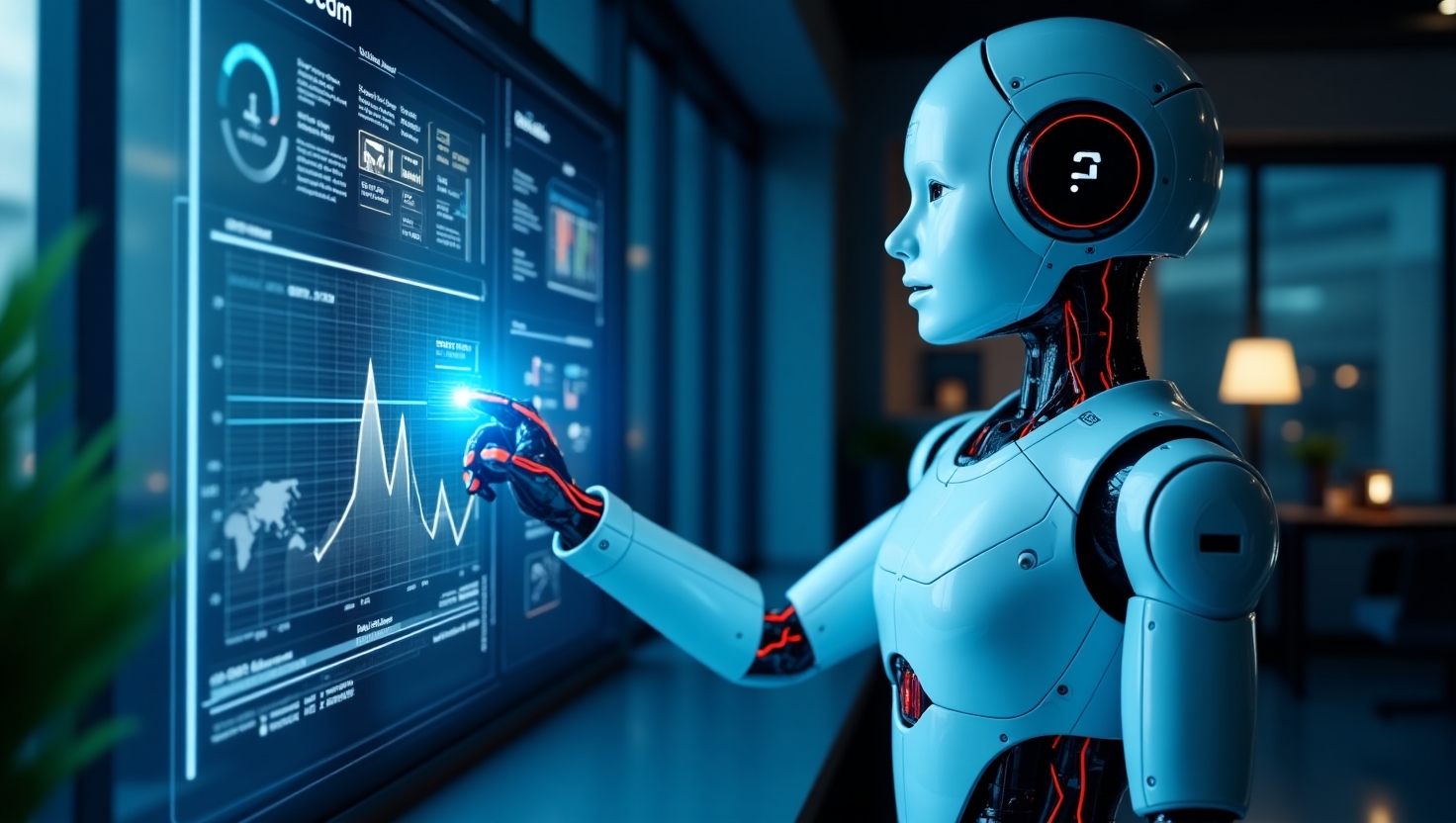
Chatbots and Virtual Assistants in Customer Service
AI-driven chatbots and virtual assistants have transformed customer service, making it faster and more efficient. Chatbots can now handle inquiries, recommend products, and resolve issues without human intervention. This provides businesses with the ability to serve customers 24/7 while reducing operational costs.
Modern chatbots use machine learning to deliver personalized responses, making interactions feel more natural and engaging. Virtual assistants such as Siri, Alexa, and Google Assistant have also become integral to consumer life, opening new opportunities for voice-enabled customer engagement. Businesses that integrate these AI tools into their marketing strategies can provide seamless support while nurturing leads and improving customer satisfaction.
Smarter Advertising with AI Targeting and Optimization
Advertising has always been a critical but costly part of digital marketing, and AI is making it more efficient than ever. By analyzing consumer data, AI identifies which audiences are most likely to convert, ensuring that ad spend is allocated effectively. Campaigns can be adjusted in real time as AI monitors performance metrics, allowing brands to make quick changes to bids, placements, and creative assets.
AI also predicts campaign outcomes before they go live, helping marketers refine strategies in advance. McKinsey & Company reports that AI-powered advertising strategies can improve return on investment by up to 30 percent, making AI-driven optimization a key competitive advantage.
Voice Search Optimization and the Future of Search
Voice search is rapidly becoming a dominant way for users to interact with the internet, and AI plays a critical role in optimizing content for this shift. Statista predicts that 75 percent of all searches will be voice-based by 2025. Voice queries tend to be more conversational, and AI-powered Natural Language Processing (NLP) tools allow marketers to understand and respond to this behavior effectively.
By interpreting context and intent, AI ensures voice search results are more accurate and relevant. Brands that prioritize voice search optimization will have a significant edge as consumer habits continue to evolve toward voice-driven interactions.
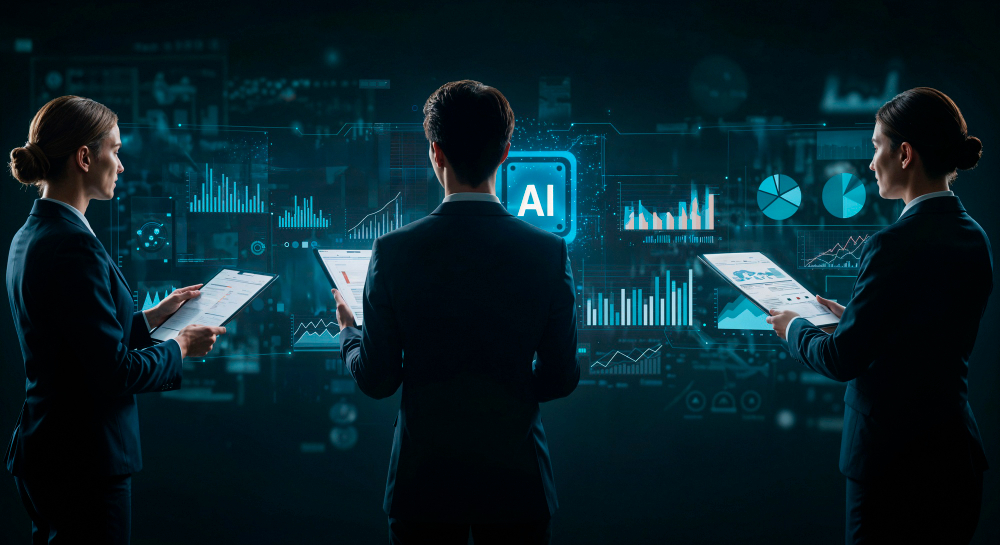
Ethical Considerations in AI Marketing
While AI offers immense opportunities, its rapid growth also raises ethical questions. Data privacy has become a central concern, especially with regulations like GDPR and CCPA enforcing strict standards for customer data protection. Marketers must ensure that AI-driven tools respect these guidelines and maintain transparency about data usage.
Another concern is algorithmic bias. AI models are trained on existing data, and if that data reflects biases, the AI system may reinforce them. Responsible marketers must actively monitor and adjust algorithms to ensure fairness and accuracy. Companies that prioritize ethical practices not only build trust but also safeguard their reputation in an increasingly conscious market.
The Future of AI in Digital Marketing
AI is no longer an experimental tool; it is a foundational part of modern marketing strategies. From predictive analytics and hyper-personalization to automation and advanced ad targeting, AI empowers marketers to create meaningful experiences and achieve measurable results.
However, success with AI requires more than technology—it demands responsibility. Businesses must embrace AI strategically while maintaining ethical standards, ensuring that innovation does not compromise consumer trust.
In 2025 and beyond, the brands that master AI’s potential will not only outperform competitors but also shape the future of digital marketing.
