The Ways Mobile Technology Keeps Changing Gaming
A quick glance around any cafe or living room makes it obvious: phones have turned into mini entertainment centers. What used to require a hefty computer or a dedicated box beneath the TV now sits in the palm of a hand. Screens are brighter and connections steadier than ever. All of this has shifted the way people think about playing games. Improved mobile technology is giving everything from small puzzle apps to huge multiplayer worlds a chance to fit into daily life.
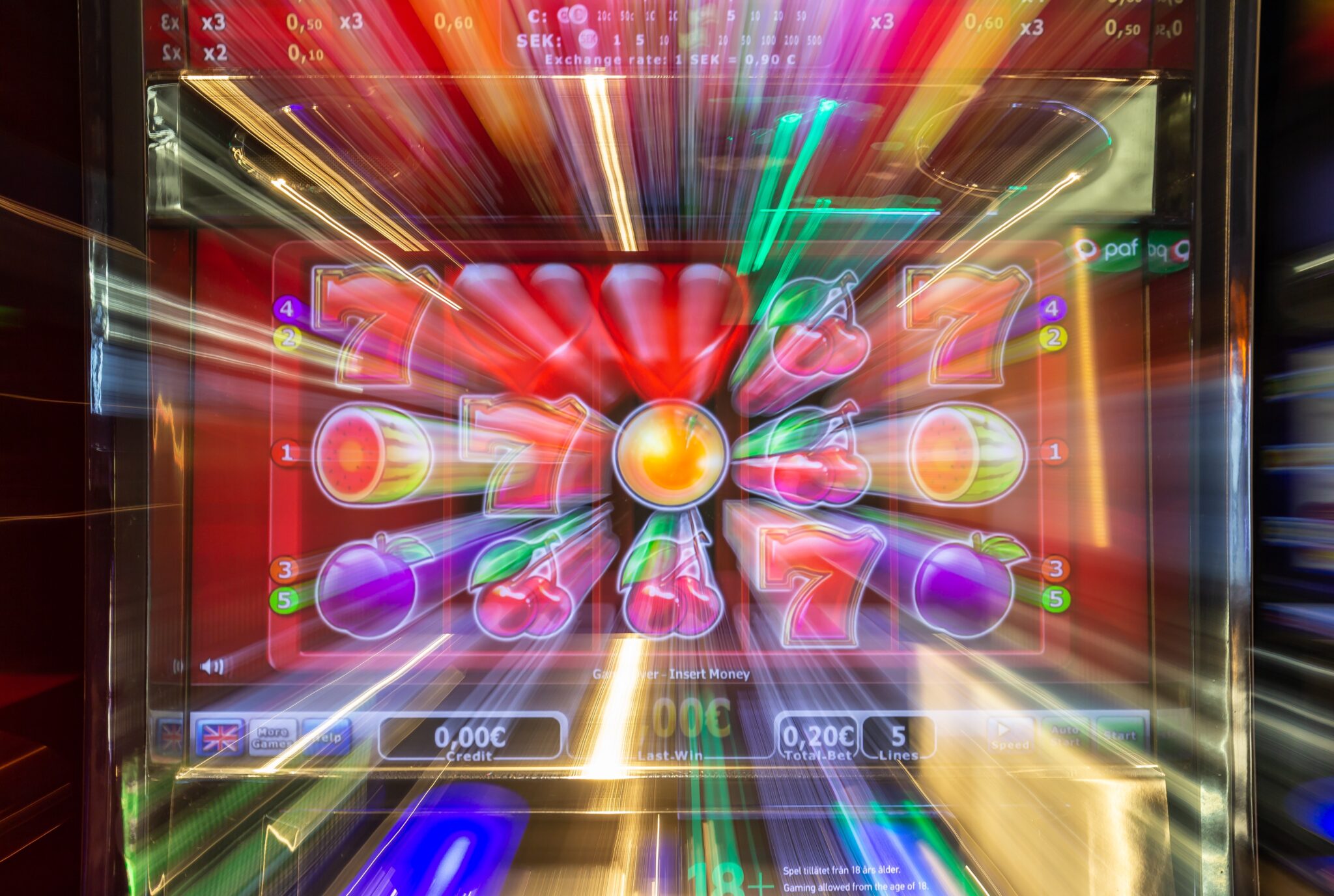
Casino Gaming and Slots on the Go
Few areas show the mobile shift as clearly as casino gaming. Slots once meant a trip to a
venue or at least a laptop on a table. Developers build titles with phone screens in mind,
designing reels and buttons that work in portrait or landscape. Simple swipes and taps spin the action. It is all based on the fact that people want to play in a variety of locations.
The result is a library that travels anywhere. A quiet corner on a commute can be time for a quick game. Some people play while they’re in waiting rooms.
Many slots now include features that were once only in larger formats (or didn’t exist at all). We see things like bonus rounds and layered animations.
Jackpots have also changed – there are a lot of options for players in terms of jackpots and how often they are triggered. There are casino game jackpot slots in many themes and with a variety of mechanics. Some games have a much simpler design than others.
There are people who would rather play the simple options that are made in the style of older mechanical models. Other people prefer the newer features like scatters and Collect coins.
Many table games have also made the switch. We are seeing live dealer versions of games. Players can interact with hosts while placing chips on a digital surface, bringing a little of the atmosphere of a real table into a pocket-sized space.
The Rise of Cross-Platform Play
Mobile hardware has caught up to the point where games no longer need to stay in their own lane. A growing number of titles let people start on a console or PC and then continue on a phone. Cloud services handle the heavy lifting, and the phones act as windows into vast worlds. Cloud gaming could be more widespread. It is likely that this will happen as technology continues to improve. Services by both Nvidia and Xbox are leading the way. A lot of people are expecting that this will become a much more common way to play. Having a console in the house could even become less common.
This shift has made genres more flexible. Strategy games once tied to big monitors now
arrive in streamlined editions and have controls adapted for touch. Shooters and sports sims can offer short, focused matches for bus rides as well as longer sessions at home (there’s a reason EAFC games are so short). The line between “mobile game” and other forms of games gets thinner each year.
Social Play Anywhere
Faster networks and better microphones mean people don’t need to be in the same room to share a laugh or trade tactics. Casual multiplayer apps bring together groups for games or quiz battles. Some bigger titles host full tournaments. Mobile esports events could climb in the future. A lot of the numbers suggest that this form of gaming is increasing in popularity. There are competitive games built for touch controls that now have thriving scenes, with viewers able to tune in from the same device they use to play.

Fresh Genres Shaped for Phones
Some developers skip the idea of shrinking existing formats and instead create mechanics that belong to mobile from the start. Idle or Clicker games, which reward short check-ins, suit people who dip in and out through the day.
Augmented-reality titles may use GPS and cameras to blend play with the world outside,
encouraging exploration. AI and VR technologies are a huge part of many forms of mobile apps now.
Story-driven apps deliver episodes like a series, letting people work through adventures one train stop at a time. Mobile gaming has taken the role of mobile consoles in some respects. Some genres work a lot better when people are on the go.
A Mobile Future For Gaming?
A big part of why mobile gaming feels natural now is the attention given to how everything looks and works. Buttons have to be large enough for thumbs, but not so big that they crowd a small screen. Menus need to load instantly, and text has to stay readable in daylight or low light. Improvements in these technologies have made it easier to play on the go. Battery life also shapes design. Games optimise lighting and frame rates to keep sessions long without draining power. And cloud saves allow progress to survive a low-power exit or device change. Mobile will continue to be a popular option for gamers.
This article has been published in accordance with Socialnomics’ disclosure policy.